

Why Stainless Steel Chimney Caps Are Worth the Investment
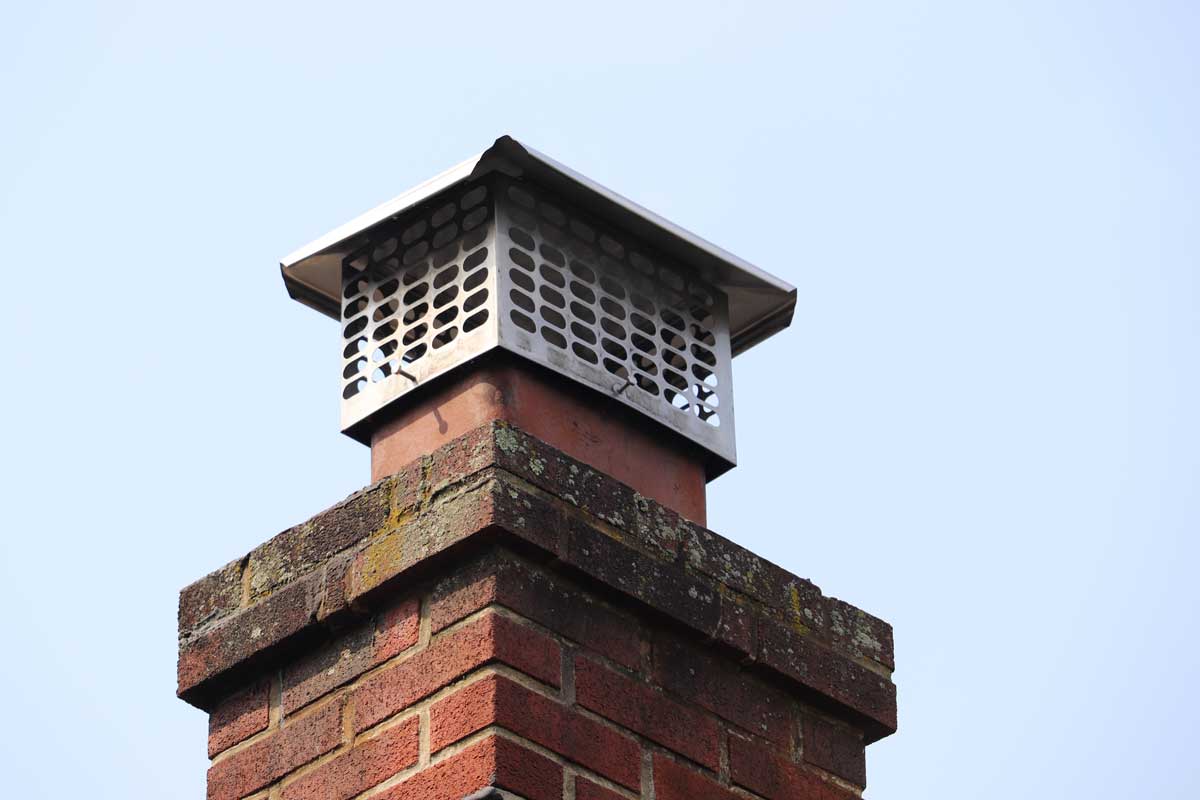
If you have a fireplace, your chimney is exposed to rain, wind, debris, and animals every day. Many homeowners do not think about their chimney cap until water starts leaking into the fireplace or birds find their way inside. In areas with seasonal storms, temperature swings, and prolonged sun exposure, the right chimney cap can prevent costly chimney damage before it starts.
Stainless steel chimney caps are worth the investment because they provide long-term protection against water intrusion, animal entry, debris buildup, and premature chimney deterioration. While they often cost more upfront than galvanized steel or lower-grade materials, their durability and resistance to rust make them one of the most cost-effective chimney upgrades for homeowners planning to keep their fireplace in good condition.
What Homeowners Should Know About Stainless Steel Chimney Caps
- Stainless steel is widely considered the best chimney cap material because it resists rust and corrosion far better than many alternatives.
- A quality chimney cap helps prevent water from entering the chimney system, which can damage masonry, liners, dampers, and fireplaces.
- Chimney cap replacement is often less expensive than repairing water damage caused by an uncovered or deteriorated chimney.
- Stainless steel caps typically last significantly longer than galvanized steel options in demanding weather conditions.
- Homeowners considering a new fireplace or chimney upgrade should include a durable chimney cap in their long-term maintenance plan.
Why Chimney Caps Matter for Local Homes
Chimney caps serve as the first line of defense against outside elements. Whether a home has a traditional masonry fireplace, a prefabricated fireplace system, or a wood-burning stove vent, the chimney opening is vulnerable without proper protection.
Weather conditions can be particularly hard on chimney systems. Rain, wind-driven moisture, leaves, twigs, and nesting animals can all create problems that shorten the life of the chimney. Even a small amount of repeated water intrusion can lead to expensive repairs over time.
At R. Horne Hearth and Home, we frequently see chimney issues that could have been prevented with a properly installed, high-quality chimney cap.
Stainless steel chimney caps offer long-term protection against moisture, animals, and debris. They generally outlast many alternative materials because they resist rust and corrosion. Investing in a quality cap can help reduce maintenance needs and extend the lifespan of the entire chimney system.
Chimney Protection Facts Every Homeowner Should Know
- Water is one of the leading causes of chimney deterioration.
- Animals frequently enter uncapped chimneys in search of shelter.
- Debris buildup can restrict airflow and create ventilation concerns.
- Chimney cap replacement is often far less costly than repairing extensive chimney damage.
- Stainless steel remains one of the most durable materials available for chimney cap construction.
If you are evaluating the condition of your existing chimney cap or considering a new fireplace installation, learning about material options is an important first step. For personalized recommendations, contact R. Horne Hearth and Home.
Local Data and Field Observations
Stainless steel chimney caps consistently perform well in a variety of weather conditions because they are designed to resist corrosion and maintain structural integrity over time. Industry manufacturers and chimney professionals commonly recommend stainless steel when longevity is a priority.
In our experience, homeowners often discover chimney cap issues only after noticing water stains, unpleasant odors, or animal activity. By that point, damage may already be occurring inside the chimney system.
How a Poor Chimney Cap Impacts Your Home
A failing chimney cap can allow moisture, animals, and debris to enter the chimney system. These issues can contribute to masonry deterioration, liner damage, blockages, and reduced fireplace performance.
Water intrusion is particularly concerning because moisture can affect multiple components at once. Over time, this may result in repairs that cost substantially more than replacing the cap itself.
Expert Commentary
Stainless steel chimney caps are often selected because they provide a balance of durability, performance, and long-term value. While lower-cost materials may appear attractive initially, they frequently require earlier replacement due to rust and weather-related deterioration.
We recommend homeowners think of a chimney cap as protective roofing for the chimney. Investing in a durable material now can help prevent larger expenses later.
Warning Signs Your Chimney Cap May Need Replacement
A chimney cap may need replacement if you notice visible deterioration, water intrusion, or signs of animal activity. These symptoms often indicate that the cap is no longer providing adequate protection.
Common warning signs include:
- Rust or corrosion on the cap
- Missing sections or loose components
- Water stains near the fireplace
- Animal noises coming from the chimney
- Debris falling into the firebox
- Excessive downdrafts
- Visible damage after storms
Ignoring these signs can allow damage to spread throughout the chimney system.
When to Call a Professional
You should call a professional when a chimney cap shows visible damage, allows water intrusion, or appears improperly fitted. Professional inspection is also recommended if you are unsure whether your current cap adequately protects the chimney.
Homeowners can visually inspect a cap from the ground, but climbing onto a roof presents safety risks and may not reveal hidden damage. A professional evaluation helps ensure the entire chimney system is functioning properly.
If you suspect your chimney cap is failing, now is a good time to have the system inspected before small issues become major repairs.
Common Causes of Chimney Cap Failure
Chimney cap failure is most often caused by corrosion, weather exposure, poor installation, or physical damage. Understanding these causes can help homeowners make better material choices.
Common causes include:
- Rust and corrosion from prolonged exposure to moisture.
- Inferior materials that deteriorate quickly.
- Storm damage from wind or falling debris.
- Improper installation.
- Lack of routine chimney inspections.
Choosing stainless steel can significantly reduce the risk associated with corrosion-related failures.
How to Prevent Chimney Cap Problems
Preventing chimney cap problems starts with selecting a durable material and maintaining the chimney system regularly. Routine inspections help identify small issues before they become costly repairs.
Homeowners can help by:
- Scheduling regular chimney inspections.
- Removing overhanging branches near the chimney.
- Watching for signs of water intrusion.
- Addressing damage promptly.
- Choosing stainless steel during chimney cap replacement projects.
What Results Can You Expect From a Stainless Steel Chimney Cap?
A stainless steel chimney cap can improve chimney protection, reduce maintenance concerns, and extend the life of key chimney components. While no product eliminates all maintenance requirements, stainless steel typically provides reliable long-term performance.
Many homeowners experience fewer moisture-related issues, reduced animal intrusion, and longer intervals between replacements compared with lower-grade materials.
Expert Insight
A chimney cap is one of the smallest components of a chimney system, but it performs one of the most important protective functions. Replacing a failing cap before major damage occurs is often one of the smartest preventive maintenance decisions a homeowner can make.
Common Mistakes Homeowners Make
Mistake: Choosing the lowest-cost cap available.
Consequence: Earlier replacement and increased risk of corrosion.
Better approach: Evaluate lifespan and durability, not just purchase price.
Mistake: Ignoring minor rust.
Consequence: Progressive deterioration and reduced protection.
Better approach: Schedule an inspection when corrosion first appears.
Mistake: Delaying chimney cap replacement.
Consequence: Water and debris enter the chimney.
Better approach: Replace damaged caps promptly.
A Common Homeowner Scenario
A common local scenario involves a homeowner noticing a musty smell after rainstorms. Upon inspection, the chimney cap is found to be rusted and partially detached. Water has been entering the chimney for months.
Replacing the damaged cap with a stainless steel model helps stop further moisture intrusion and protects the chimney from additional deterioration. While every situation is different, this illustrates how a relatively small component can prevent larger repair costs.
Related Service Solutions
Chimney cap replacement is one of the most effective services for protecting a chimney from weather-related damage. Additional services may include chimney inspections, chimney repairs, fireplace maintenance, and system upgrades.
We often recommend evaluating the entire chimney system during a cap replacement project to ensure all components are working together properly.
If you are considering chimney cap replacement or evaluating the best chimney cap material for your fireplace, our team can help you understand your options.
Comparing Your Options
Stainless steel chimney caps generally offer greater durability than galvanized steel options. While galvanized steel may cost less initially, it is more susceptible to rust over time.
For homeowners seeking long-term value, stainless steel is frequently the preferred choice. The higher upfront investment often translates into fewer replacements and lower maintenance costs over the life of the chimney.
The Cost of Ignoring Chimney Cap Problems
Ignoring chimney cap problems can lead to water damage, masonry deterioration, animal intrusion, and more extensive chimney repairs. What begins as a small maintenance issue can develop into a larger restoration project.
Prompt action often helps preserve the condition of the chimney and reduce future repair expenses.
If you suspect your chimney cap is damaged, addressing the issue sooner rather than later may help prevent avoidable repairs.
FAQ
What is the best chimney cap material?
Stainless steel is widely considered the best chimney cap material because it offers excellent resistance to rust, corrosion, and weather-related deterioration while providing long-lasting protection.
How long does a stainless steel chimney cap last?
A stainless steel chimney cap can last many years when properly installed and maintained. Actual lifespan depends on environmental conditions and overall chimney maintenance.
When should I consider chimney cap replacement?
You should consider chimney cap replacement if the cap is rusted, damaged, missing, loose, or allowing water and debris into the chimney.
Are stainless steel chimney caps worth the extra cost?
Yes, many homeowners find stainless steel chimney caps worth the additional cost because they typically last longer and require less replacement than lower-grade materials.
Can a chimney cap prevent animals from entering my chimney?
Yes, a properly installed chimney cap with screening can help prevent birds, squirrels, raccoons, and other animals from entering the chimney.
Can I replace a chimney cap myself?
Some homeowners attempt DIY replacement, but professional installation helps ensure proper fit, secure attachment, and safe roof access.
Closing Statement
A quality chimney cap plays a critical role in protecting your fireplace and chimney system. Choosing stainless steel can provide long-term durability, reduce maintenance concerns, and help safeguard your investment for years to come.
Protect Your Chimney Before Small Problems Become Expensive Repairs
Whether you need chimney cap replacement or want guidance on selecting the best chimney cap material, we’re here to help you understand your options and make an informed decision.