
If your clothes are still damp after a full cycle, your dryer is trying to tell you something. For many homeowners in Ventura, CA, a clogged dryer vent is one of the most common reasons drying times suddenly increase. Coastal air, household lint, and everyday use can all contribute to restricted airflow that reduces efficiency and creates unnecessary safety risks.
Quick Answer
A dryer that takes too long to dry clothes is often caused by a clogged dryer vent that prevents hot, moist air from escaping properly. As lint builds up inside the vent, airflow decreases, forcing your dryer to work harder and run longer. In Ventura, regular dryer vent cleaning helps improve drying performance, lowers energy use, and reduces the risk of lint-related dryer fires.
What Local Readers Should Know
-
If your dryer needs multiple cycles to fully dry clothes, restricted vent airflow is one of the first things to check.
-
Ventura’s coastal environment can contribute to moisture that allows lint to cling more easily inside vent systems.
-
Homes in nearby communities like Oxnard, Camarillo, and Ojai may have longer or more complex vent runs that collect lint faster.
-
Regular dryer vent maintenance helps improve appliance efficiency while reducing unnecessary wear on your dryer.
-
Ignoring slow drying times can lead to higher utility bills and increase the risk of overheating.
Why This Matters Locally
A clogged dryer vent affects homeowners everywhere, but Ventura County presents some unique conditions. Many homes throughout Midtown Ventura, East Ventura, and neighborhoods near the coast have dryer vent systems that travel through attics, crawl spaces, or exterior walls before exhausting outdoors. Longer vent runs naturally collect more lint over time.
The area’s mild coastal climate also means many families use their dryers year-round rather than relying exclusively on outdoor drying. More frequent dryer use results in faster lint accumulation.
At R. Horne Hearth and Home, we regularly help homeowners improve dryer performance by addressing vent blockages before they become expensive or dangerous problems. We believe preventive maintenance is one of the simplest ways to keep your home operating safely and efficiently.
Local Field Observations
Based on our experience serving Ventura County homeowners, dryer vent blockages often develop gradually. Many customers first notice clothing taking an extra 20 to 30 minutes to dry before realizing airflow has become significantly restricted.
Homes with pets, larger families, or frequent laundry loads typically experience lint buildup faster because more fibers are pulled from clothing during every drying cycle.
Local Impact
Restricted dryer vents affect more than laundry convenience.
Longer drying cycles increase electricity or gas usage, place additional strain on heating elements and motors, and shorten appliance lifespan. Moisture that cannot escape efficiently may also increase indoor humidity if leaks develop within the vent system.
For busy households throughout Ventura, Port Hueneme, and Santa Paula, these small inefficiencies quickly become ongoing frustrations and higher monthly utility costs.
Warning Signs Your Dryer Vent Is Clogged
A clogged dryer vent usually produces several noticeable symptoms before complete blockage occurs.
-
Clothes remain damp after one normal drying cycle.
-
Drying times continue getting longer over several weeks.
-
The dryer feels unusually hot during operation.
-
Laundry room temperatures become warmer than normal.
-
A burning smell develops while the dryer is running.
-
Excess lint appears around the outside vent opening.
-
The exterior vent flap does not fully open during operation.
-
Your energy bills gradually increase without another obvious cause.
When to Call a Professional
If basic lint trap cleaning does not improve dryer performance, professional inspection is usually the next step.
Homeowners can safely clean the lint screen before every load and occasionally inspect the exterior vent cover for visible obstructions. However, vent systems hidden behind walls, inside attics, or extending through the roof require specialized equipment to clean thoroughly without damaging the ductwork.
If you notice excessive heat, burning odors, or repeated overheating shutoffs, schedule professional service promptly.
Common Local Causes of Dryer Vent Clogs
Several factors commonly contribute to clogged dryer vents in Ventura County.
1. Everyday Lint Accumulation
Lint naturally escapes the dryer filter during every load and slowly coats the interior of the vent.
2. Long Vent Runs
Many two-story homes and homes with interior laundry rooms require longer duct systems that collect more debris before exhausting outdoors.
3. Improper Vent Materials
Older homes sometimes contain flexible plastic or foil vent materials that trap lint more easily than smooth metal ducts.
4. Exterior Vent Obstructions
Leaves, nesting birds, and outdoor debris can partially block exterior vent openings, especially in neighborhoods with mature landscaping.
5. Heavy Laundry Usage
Large families or vacation rental properties throughout Ventura County often operate dryers frequently, allowing lint to build much faster.
Prevention and Maintenance
Preventing dryer vent problems starts with simple maintenance habits.
Always clean the lint screen before every load.
Inspect the outdoor vent cover several times each year to ensure it opens freely during operation.
Avoid crushing or sharply bending the vent hose behind the dryer.
Schedule periodic professional dryer vent cleaning, especially if your home has a long vent run or if drying times begin increasing.
Many homeowners find annual inspections sufficient, although larger households may benefit from more frequent service.
Expected Results After Dryer Vent Cleaning
Professional dryer vent cleaning often restores proper airflow throughout the vent system.
Many homeowners notice:
-
Faster drying times
-
Lower energy consumption
-
Reduced dryer operating temperatures
-
Less wear on dryer components
-
Improved overall appliance efficiency
Actual results depend on the condition of the vent system, appliance age, and the amount of accumulated lint.
Common Mistakes
Waiting Until the Dryer Stops Working
Consequence: Small airflow restrictions become severe blockages that increase appliance wear.
Better approach: Address longer drying times as an early warning sign.
Cleaning Only the Lint Screen
Consequence: Hidden lint continues accumulating inside the vent system.
Better approach: Include periodic vent inspections as part of routine home maintenance.
Using Unsafe DIY Tools
Consequence: Aggressive cleaning methods may damage vent ducts or push lint farther into the system.
Better approach: Use appropriate cleaning methods or schedule professional service for longer vent systems.
Common Local Scenario
A Ventura homeowner notices towels suddenly require two complete drying cycles. The lint screen appears clean, but the laundry room becomes noticeably hotter during each load. After a professional dryer vent cleaning removes years of accumulated lint from a long attic vent run, drying times return much closer to normal and the dryer operates more efficiently.
Related Service Solutions
Dryer vent cleaning is often the most effective solution for improving dryer performance, but a complete inspection may also identify disconnected ducts, damaged vent materials, improperly installed vent systems, or exterior termination issues.
Addressing these problems helps maintain safe airflow while protecting your dryer from unnecessary strain.
Comparing Your Options
| Option |
Advantages |
Limitations |
| DIY Lint Screen Cleaning |
Easy and should be done every load |
Does not clean hidden vent ducts |
| Basic Exterior Inspection |
Helps identify visible blockages |
Cannot reach interior lint buildup |
| Professional Dryer Vent Cleaning |
Removes accumulated lint throughout the entire vent system |
Requires scheduled service but provides the most complete cleaning |
Service Areas
We proudly serve homeowners throughout Ventura, as well as nearby communities including Oxnard, Camarillo, Ojai, Port Hueneme, and other areas across Ventura County. Our goal is to help local homeowners keep their dryer vent systems operating safely and efficiently.
Cost of Ignoring the Issue
Ignoring slow dryer performance can lead to steadily increasing utility bills, premature appliance repairs, and unnecessary wear on your dryer.
More importantly, heavy lint accumulation creates a preventable fire hazard. Addressing airflow restrictions early helps protect both your appliance and your home.
Frequently Asked Questions
Why is my dryer taking two cycles to dry clothes in Ventura?
A dryer requiring multiple cycles is commonly caused by restricted airflow from lint buildup inside the dryer vent. Professional vent cleaning often restores proper airflow and improves drying efficiency.
How often should dryer vents be cleaned in Ventura County?
Most homes benefit from professional dryer vent cleaning about once a year. Larger households, pet owners, and homes with longer vent systems may require more frequent service.
Can a clogged dryer vent increase my energy bill?
Yes. Restricted airflow forces your dryer to operate longer, increasing electricity or gas usage while placing additional stress on the appliance.
Is a hot dryer always caused by a clogged vent?
Not always. While clogged vents are a common cause, heating element problems, thermostat issues, or mechanical failures may also cause excessive heat. A professional inspection can determine the exact cause.
Do coastal homes near Ventura Beach experience faster lint buildup?
Coastal humidity can contribute to lint sticking inside vent systems more easily, although laundry frequency and vent length remain the largest contributing factors.
Is dryer vent cleaning different from cleaning the lint trap?
Yes. The lint trap captures only a portion of the lint produced during drying. The vent system behind the dryer still collects lint over time and requires separate cleaning.
Can I clean my dryer vent myself?
Basic maintenance such as cleaning the lint trap and checking the exterior vent is safe for most homeowners. Longer vent systems or hidden ductwork are generally best cleaned by trained professionals with specialized equipment.
Does a clogged dryer vent create a fire risk?
Yes. Lint is highly combustible, and restricted airflow allows excessive heat to build inside the vent system. Regular maintenance helps reduce this preventable hazard.
Keep Your Dryer Running Safely and Efficiently
Slow drying times rarely improve on their own. Addressing airflow problems early helps protect your appliance, reduce energy costs, and improve household safety.
Ready to improve your dryer’s performance?
Contact R. Horne Hearth and Home to schedule a professional dryer vent inspection and cleaning for your Ventura home.
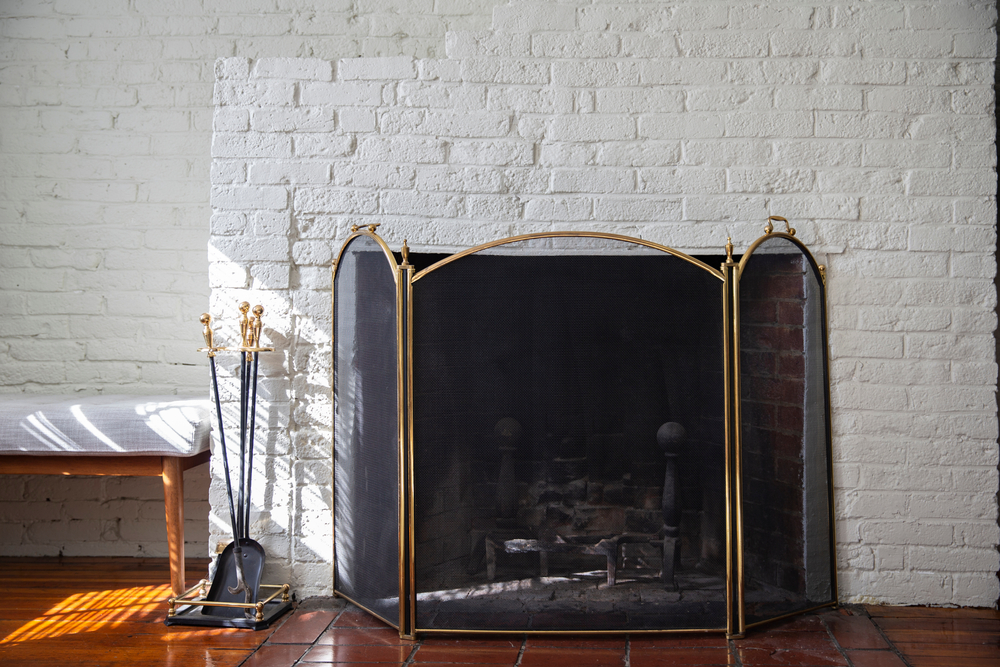
Fireplaces create comfort and visual appeal, yet they also influence how a home manages heat. Many homeowners love the crackle of a real fire, but traditional masonry fireplaces often allow more indoor heat to escape than they provide. This reduces overall fireplace energy efficiency and increases dependence on central heating systems. By learning how heat moves through a fireplace and how different designs affect performance, homeowners can make adjustments that improve comfort and reduce waste.
A fireplace loses heat primarily through the chimney because warm indoor air rises and escapes when the damper is open. At the same time, outside air can push inward through cracks or gaps, which increases the workload on heating systems. Older fireplaces are especially vulnerable to heat loss because they lack modern insulation or inserts. Even so, there are strategies that help transform a fireplace from a charming but inefficient feature into a functional and energy conscious heat source.
A good first step is recognizing that energy efficiency is not only about how much heat a fireplace produces. It is also about how much of that heat stays inside the room. With a better understanding of these dynamics, homeowners can approach fireplace efficiency tips with a stronger sense of purpose and see noticeable changes in energy use.
Improving Structural Components for Better Heat Retention
One way to improve fireplace energy efficiency is to focus on structural upgrades that help retain heat. An essential component is the damper, which must seal properly to prevent warm indoor air from escaping when the fireplace is not in use. Many dampers warp or degrade over time, and a damaged one can cause significant energy loss. Replacing an old damper or installing a top sealing chimney cap creates a tighter barrier that keeps conditioned air inside.
Chimney caps also serve other important functions such as preventing debris or animals from entering the chimney. By improving airflow control, they reduce drafts that pull warm air out of the living space. A properly functioning chimney system supports safer operation and contributes to better heat management.
Another upgrade that improves performance is the installation of fireplace inserts. Inserts transform open fireplaces into closed systems that burn fuel more efficiently. They typically include insulated glass doors and a sealed combustion chamber which allows greater heat output with less waste. Wood burning inserts, gas inserts, and electric inserts all enhance fireplace energy efficiency and extend the usable warmth produced during operation.
Heat resistant glass doors also help control how much air enters the firebox and how much heat escapes. Unlike leaving an open fire exposed to the room, glass doors create a controlled environment that distributes warmth more evenly. They also improve safety and reduce smoke penetration into the living area.
Optimizing Firewood, Combustion, and Airflow
Effective heating begins with the fire itself. The type of wood selected, the moisture content, and the burn technique all influence how much heat the fireplace produces. Hardwoods such as oak or maple burn hotter and longer compared with softwoods. For best results, firewood should be fully seasoned, which means allowed to dry for six months to a year. Properly seasoned wood burns more efficiently, produces less creosote, and increases usable heat output.
Airflow is vital for strong combustion. A fire that receives too much air burns quickly and releases heat up the chimney instead of into the room. Too little air causes smoldering and reduces heat production. Balancing airflow takes practice, but it significantly improves fireplace performance.
Another technique that supports efficient burning is building smaller, hotter fires rather than large fires that create excessive smoke. Smaller fires maintain a consistent output without overwhelming the chimney draft. They allow heat to radiate into the room more effectively and minimize wasted fuel.
Some homeowners also use specialized grates that push heat outward. These grates are designed to circulate warm air back into the room by encouraging better airflow patterns. Although not necessary for all fireplaces, they can provide a noticeable improvement in warmth.
Managing Room Temperature and Home Systems
A fireplace does not operate in isolation. It interacts with the entire heating system, and the way homeowners manage their indoor environment affects overall efficiency. When a fire is burning, the thermostat should be adjusted to reduce the load on central heating. Heating every room in the house while also running a fireplace in one space often leads to unnecessary energy use.
Closing doors to unused rooms helps contain heat within the area where the fireplace is located. Fireplaces work best when their output warms a defined space instead of dispersing into distant areas. Thick curtains or thermal drapes can also help retain heat by insulating windows that might otherwise leak warm air.
Weatherstripping around doors and windows reduces drafts that compete with the fireplace. Even small gaps can disrupt the balance of warm and cool air, so sealing them is an inexpensive step that supports better efficiency. Some homes benefit from adding insulation to attics or walls which provides long term improvements that complement fireplace performance.
Ventilation matters as well. A home that is too sealed can restrict airflow to the fireplace which reduces combustion quality. Conversely, a home with too many gaps loses heat rapidly. The goal is a balanced environment where the fireplace receives enough oxygen to burn cleanly without allowing heat to escape unnecessarily.
Finally, regular chimney maintenance ensures optimal conditions for airflow. A clean chimney improves draft performance and reduces the risk of smoke entering the home. Annual inspections identify cracks, creosote buildup, or structural concerns that might interfere with efficient operation.
Integrating Modern Technologies and Smart Practices
Modern technology offers tools that help improve fireplace energy efficiency. Heat exchangers capture and redistribute warm air that would otherwise rise through the chimney. Electric blowers also help move warm air throughout the room which increases comfort levels and reduces dependence on central heat.
Smart thermostats provide an additional layer of control. When integrated with a heating system, the thermostat can automatically reduce furnace output when the fireplace is active. This prevents temperature overshooting and avoids wasting energy by heating the home more than necessary.
For homeowners using gas fireplaces, updating old burners or ignition systems can improve efficiency. Many modern gas units include sealed combustion systems that maintain consistent performance with lower energy use. They produce steady heat without the variability of traditional wood fires, and some models offer programmable settings for temperature control.
Another important practice involves reducing heat loss when the fireplace is not in use. Keeping the damper fully closed, ensuring glass doors are tightly sealed, and using a chimney balloon or plug all prevent warm indoor air from escaping. These simple measures maintain a more stable indoor climate and lower energy bills throughout the winter months.
Homeowners also benefit from being mindful of fireplace placement and usage habits. Fireplaces located in central living areas distribute heat more effectively compared with those in remote sections of the home. Using the fireplace during peak occupancy hours rather than heating empty rooms ensures that the produced heat serves a practical purpose.
Conclusion
Fireplaces will always add warmth and character to a home, but their impact on energy use depends on how they are managed. By combining structural upgrades, improved combustion practices, thoughtful home temperature management, and modern technologies, homeowners can achieve meaningful gains in fireplace energy efficiency. Small adjustments often lead to significant improvements, and consistent attention to maintenance ensures reliable performance year after year.
With the right approach, a fireplace becomes more than a decorative feature. It becomes an efficient and dependable source of comfort that enriches the living space while reducing unnecessary energy consumption.
Need Chimney Caps & Full-Service Chimney Care Near You?
Keep your home safe and cozy with our expert team at The Chimney Cleaner Inc.! From professional chimney cleaning and detailed inspections to fireplace restorations and custom mantles, we’re dedicated to ensuring your chimney and fireplace work safely and efficiently. Whether you need reliable sweeping, gas line installation, or chimney stack remodeling, we’ve got you covered throughout Ventura County and beyond. Give us a call today; we’re ready to help you enjoy the warmth and peace of mind you deserve!

Living by the coast has its perks: breathtaking ocean views, fresh sea breezes, and the soothing sound of waves crashing nearby. However, these coastal conditions also come with their own set of challenges, particularly for homeowners in Ventura, CA and Santa Barbara. One of the most overlooked areas impacted by the coastal environment is the chimney. While it may seem like a sturdy, unyielding structure, your chimney is highly vulnerable to the effects of salt air and moisture.
Understanding how the coastal climate can damage your chimney is essential for proactive maintenance. Regular chimney inspections, timely chimney repairs, and applying preventive solutions like chimney waterproofing can save you from costly restorations down the line. In this article, we’ll explore how coastal weather impacts chimneys and share actionable chimney maintenance advice tailored to homeowners in Ventura and Santa Barbara.
Salt Air and Chimney Damage: A Hidden Threat
Salt air is a major factor contributing to chimney deterioration in coastal regions. The salty mist carried by ocean breezes can settle on surfaces, penetrating into brick, mortar, and metal components of your chimney. Over time, this salt accumulation leads to corrosion and structural weakening.
Brick chimneys are particularly susceptible. While bricks may appear strong, they are porous by nature. Salt-laden moisture seeps into these pores, causing efflorescence (white, powdery deposits) and accelerating the freeze-thaw cycle during colder months. When the water trapped inside the bricks freezes, it expands, leading to cracking and spalling — the flaking or breaking off of surface layers.
Metal components such as the chimney cap, flashing, and flue liners are also vulnerable. Salt air speeds up rusting and corrosion, compromising their functionality. A rusted cap or deteriorated flashing can allow rainwater to infiltrate your chimney system, leading to mold growth, structural damage, and costly chimney repairs.
To reduce these effects, it is crucial to schedule regular chimney inspections, especially for homes exposed to coastal winds and salty air.
The Importance of Regular Chimney Inspections in Santa Barbara
Routine chimney inspection is not just a good practice — it’s a necessity for Santa Barbara homeowners. The coastal environment makes chimneys more prone to subtle yet progressive damage. An annual chimney inspection, performed by a certified chimney sweep, can detect early signs of wear and prevent them from escalating into major issues.
During a chimney inspection, professionals look for several warning signs: cracked bricks, deteriorated mortar joints, rusted metal components, and signs of moisture intrusion. They also check for blockages that could pose fire hazards, such as bird nests or creosote buildup.
In Santa Barbara, where the climate alternates between wet winters and sunny, salty summers, it’s particularly important to stay ahead of chimney damage. Scheduling a chimney inspection before the rainy season can ensure your chimney is watertight and ready to withstand the elements.
If problems are discovered, prompt coastal chimney repair is vital. The longer you wait, the more extensive (and expensive) the damage can become. A neglected chimney can lead to leaks in your home’s interior, compromised air quality, and even structural hazards.
Chimney Maintenance for Ventura, CA Homes: Unique Challenges and Solutions
Ventura, CA experiences a blend of coastal and Mediterranean climate influences. While the moderate temperatures are appealing, the city’s proximity to the ocean means homeowners need to be vigilant about chimney maintenance.
In Ventura, chimney damage often begins with unnoticed moisture penetration. Even if you don’t use your fireplace often, rain, wind, and salt air continually expose your chimney to the risk of decay. Crumbling mortar, rust streaks, and moss or algae growth on the chimney surface are all signs that maintenance is overdue.
One crucial chimney maintenance strategy for Ventura homes is to repoint mortar joints regularly. Repointing involves removing damaged mortar and replacing it with fresh, weather-resistant mortar to restore the chimney’s integrity. Additionally, homeowners should ensure their chimney crowns are in good shape, as these protect the entire system from rain and debris.
Using weather-resistant materials during repairs and installations is another smart strategy. For instance, stainless steel is preferable for chimney caps and liners due to its resistance to corrosion. Installing a properly fitted chimney cap can prevent animals, leaves, and moisture from entering the flue, while also blocking downdrafts.
Chimney Waterproofing Tips to Prevent Long-Term Damage
One of the most effective preventive measures for coastal chimney repair is chimney waterproofing. This involves applying a specially formulated waterproofing sealant to the chimney’s exterior. Unlike paint or general-purpose sealants, these products are breathable — they allow moisture inside the bricks to escape while preventing new water from entering.
Waterproofing your chimney is particularly important in coastal areas because of the constant exposure to moisture and salt air. The goal is to create a barrier that resists rain, sea spray, and humidity, without trapping water inside the chimney. Trapped moisture can cause internal damage and lead to more severe structural issues over time.
Ideally, waterproofing should be done every 5 to 10 years, depending on the product used and the severity of local weather conditions. However, if your home is within a mile or two of the coast, a more frequent schedule may be warranted.
Before applying any waterproofing agent, it’s essential to complete any necessary repairs. Sealing over cracks or damaged areas can trap moisture and exacerbate the problem. Work with a qualified chimney professional to inspect the structure, carry out repairs, and then apply a high-quality waterproofing treatment.
Why Coastal Chimney Repair Should Never Be Delayed
Coastal chimney repair is not just about aesthetics or prolonging the life of your chimney — it’s about protecting your home. When chimney damage is left unaddressed, it doesn’t stay isolated. Moisture can seep through compromised mortar and bricks, reaching the attic, walls, and ceilings of your house. This not only weakens your home’s structure but also invites mold and mildew, which can pose serious health risks.
Additionally, a damaged chimney affects your fireplace’s performance. Cracks and gaps can alter the airflow, reduce efficiency, and even increase the risk of carbon monoxide leakage into your living space. For wood-burning fireplaces, damaged flue liners can also allow sparks to escape, creating a fire hazard.
Chimney maintenance in Ventura, CA and Santa Barbara is especially important because coastal weather accelerates all forms of wear. Even minor problems, like a missing chimney cap or small mortar crack, can evolve quickly in the presence of salt air and high humidity.
Procrastinating on chimney inspection or repair only increases the likelihood of needing extensive restoration work later. Stay ahead of the game with regular inspections, timely repairs, and preventive waterproofing strategies.
Conclusion
Owning a home in the beautiful coastal cities of Ventura and Santa Barbara means enjoying a unique lifestyle — but it also comes with responsibilities, especially when it comes to chimney care. The corrosive effects of salt air, seasonal rains, and coastal winds can silently degrade your chimney’s structure and components if you’re not vigilant.
Implementing a consistent chimney maintenance routine, scheduling annual chimney inspections in Santa Barbara, and embracing proactive solutions like chimney waterproofing are essential for protecting your home. Whether you’re a long-time resident of Ventura, CA or new to coastal living, investing in professional coastal chimney repair and maintenance will help you preserve the integrity of your home for years to come.
Don’t wait for visible signs of damage. A well-maintained chimney is a safer, more efficient, and longer-lasting one. Make coastal chimney care a priority, and your home will continue to provide warmth, safety, and beauty — no matter what the coastal weather brings.
Need Chimney Caps & Full-Service Chimney Care Near You?
Keep your home safe and cozy with our expert team at The Chimney Cleaner Inc.! From professional chimney cleaning and detailed inspections to fireplace restorations and custom mantles, we’re dedicated to ensuring your chimney and fireplace work safely and efficiently. Whether you need reliable sweeping, gas line installation, or chimney stack remodeling, we’ve got you covered throughout Ventura County and beyond. Give us a call today—we’re ready to help you enjoy the warmth and peace of mind you deserve!
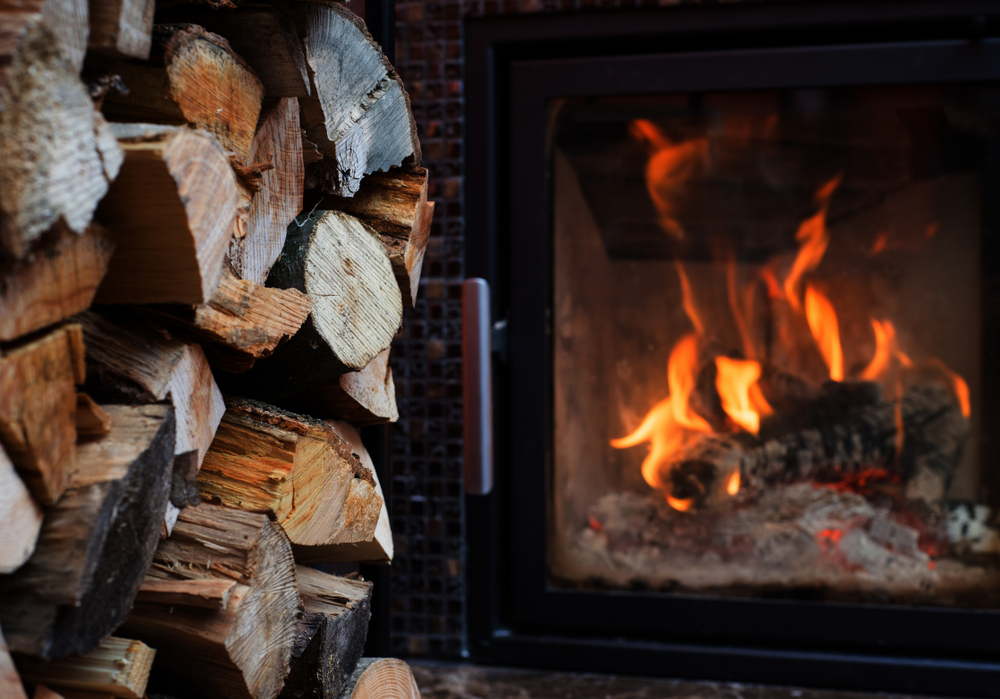
Few things rival the cozy comfort of a crackling fire on a chilly evening. Whether it’s to warm a room or create a relaxing ambiance, a fireplace remains a staple in many homes. But beyond the charm and utility of a fire lies an often-overlooked element that plays a crucial role in its safety and efficiency: the quality of the firewood used. Specifically, seasoned firewood for fireplace use is essential. Understanding why use seasoned firewood can make a significant difference not just in performance, but also in cost savings, safety, and environmental impact.
What Is Seasoned Firewood?
Seasoned firewood is wood that has been dried to reduce its moisture content. Freshly cut wood, known as green wood, typically contains up to 50% water. Seasoned firewood, on the other hand, has been allowed to dry naturally, usually for six to twelve months, until its moisture content drops below 20%. This drying process may occur outdoors under a protective cover or in a well-ventilated area where sunlight and air circulation can do their work.
The seasoning process is not just about waiting for wood to dry out; it’s about preparing the wood to burn efficiently. Moisture-rich wood is dense and heavy, making it harder to ignite and sustain a flame. When you try to burn green wood, a significant portion of the fire’s energy goes into evaporating the water instead of producing heat. As a result, you get more smoke, less heat, and a far less pleasant experience overall.
The Benefits of Burning Seasoned Firewood
The advantages of using seasoned firewood for fireplace use are both immediate and long-term. The most noticeable benefit is how well it burns. Seasoned wood lights more easily and burns hotter and longer than green or unseasoned wood. Because the moisture content is significantly lower, it produces more usable heat, making your fireplace more effective at warming your home.
In addition to better heat output, seasoned firewood also creates a cleaner burn. Less moisture means less smoke, which in turn means fewer particulates released into the air. This improves indoor air quality and reduces the likelihood of irritating odors or respiratory issues. Moreover, a cleaner burn results in less creosote buildup in your chimney. Creosote, a byproduct of incomplete combustion, is a tar-like substance that can accumulate inside your chimney and pose a serious fire hazard if not regularly cleaned. By burning properly seasoned firewood, you minimize this risk and extend the life of your chimney system.
Another practical benefit is the reduced amount of ash. Since seasoned wood burns more completely, it leaves behind less residue. This makes cleaning your fireplace easier and less frequent, contributing to a more enjoyable and lower-maintenance experience overall.
Safety and Environmental Considerations
When discussing why use seasoned firewood, safety is one of the most compelling reasons. As mentioned, burning green or wet wood can lead to excessive creosote deposits in the chimney, significantly increasing the risk of a chimney fire. Chimney fires can be catastrophic, damaging your home and endangering lives. By simply using well-seasoned firewood, you can reduce this risk dramatically.
In addition to safety, environmental impact is a key factor. Burning wet or unseasoned wood not only results in inefficient combustion but also produces higher levels of harmful emissions like carbon monoxide, volatile organic compounds (VOCs), and fine particulate matter (PM2.5). These pollutants contribute to smog and can have serious health consequences, particularly for individuals with respiratory conditions such as asthma or chronic bronchitis.
Seasoned firewood, by contrast, burns more completely and cleanly, resulting in fewer emissions. This makes it a more environmentally responsible choice for homeowners who rely on wood as a primary or supplemental heat source. Moreover, when sourced responsibly, firewood can be a renewable and carbon-neutral fuel. Trees absorb carbon dioxide as they grow, and when burned efficiently, firewood releases that same carbon back into the atmosphere, completing a natural cycle.
Economic Efficiency and Long-Term Cost Savings
Investing in seasoned firewood for fireplace use is also a financially wise decision. While seasoned firewood may sometimes be more expensive than green wood upfront, the benefits more than offset the additional cost. Because seasoned wood burns hotter and longer, you need less of it to achieve the same heating effect. This translates to fewer cords of wood needed over the course of a winter season, reducing overall fuel expenses.
Furthermore, because seasoned wood minimizes creosote buildup and ash production, it decreases the frequency and cost of chimney cleanings and maintenance. Professional chimney sweeps charge by the job, and if your chimney requires less frequent servicing due to cleaner burning, you’ll save a considerable amount over time. Similarly, reduced wear and tear on your fireplace system means fewer repairs and a longer lifespan for the components involved, from flue liners to fireplace inserts.
Additionally, seasoned wood reduces the time and effort required for tending the fire. You’ll spend less time poking and prodding the logs to keep the fire going, and more time enjoying its warmth and ambiance. This increase in efficiency and decrease in labor is a valuable, if intangible, economic benefit.
Choosing and Storing Seasoned Firewood
Understanding the importance of seasoned firewood for fireplace use is only part of the equation. To maximize these benefits, you need to know how to choose and store it properly. When purchasing firewood, always ask the supplier how long it has been seasoned and whether it has been stored in a dry, ventilated area. Good indicators of well-seasoned wood include cracks in the end grain, a lighter weight compared to green wood, and a hollow sound when two pieces are knocked together.
Visually, seasoned wood should be a dull gray or light brown color rather than freshly cut and green. It should also feel dry to the touch and may even show signs of slight cracking or checking. If you buy in bulk, consider investing in a moisture meter, a small handheld device that can measure the internal moisture content of the wood. Aim for a reading below 20% to ensure optimal burning performance.
Proper storage is also crucial. Even the best-seasoned firewood can reabsorb moisture if not stored correctly. Keep your woodpile off the ground, preferably on a raised platform or pallet, and stack it in a way that allows air to circulate freely. Cover the top of the pile with a tarp or firewood cover, but leave the sides open to promote airflow. Position the stack in a sunny, breezy area if possible, and rotate older wood to the top or front of the pile for easy access.
If you’re seasoning your own firewood, cut it into lengths that fit your fireplace, split it to accelerate drying, and allow it to sit for at least six to twelve months. Hardwood species like oak and maple take longer to season than softwoods like pine, but they also burn hotter and longer, making them a better choice for heating.
Conclusion
The question of why use seasoned firewood is not just about preference—it’s about maximizing performance, safety, environmental responsibility, and economic efficiency. A properly seasoned log ignites with ease, burns hot and clean, and enhances your fireplace experience in every way. By understanding the critical role that seasoned firewood plays and taking the time to choose and store it properly, you ensure that each fire you light is both enjoyable and sustainable. Whether you rely on your fireplace for warmth or ambiance, making seasoned firewood a central part of your routine is a simple decision with far-reaching benefits.
Need Chimney Caps & Full-Service Chimney Care Near You?
Keep your home safe and cozy with our expert team at The Chimney Cleaner Inc.! From professional chimney cleaning and detailed inspections to fireplace restorations and custom mantles, we’re dedicated to ensuring your chimney and fireplace work safely and efficiently. Whether you need reliable sweeping, gas line installation, or chimney stack remodeling, we’ve got you covered throughout Ventura County and beyond. Give us a call today—we’re ready to help you enjoy the warmth and peace of mind you deserve!
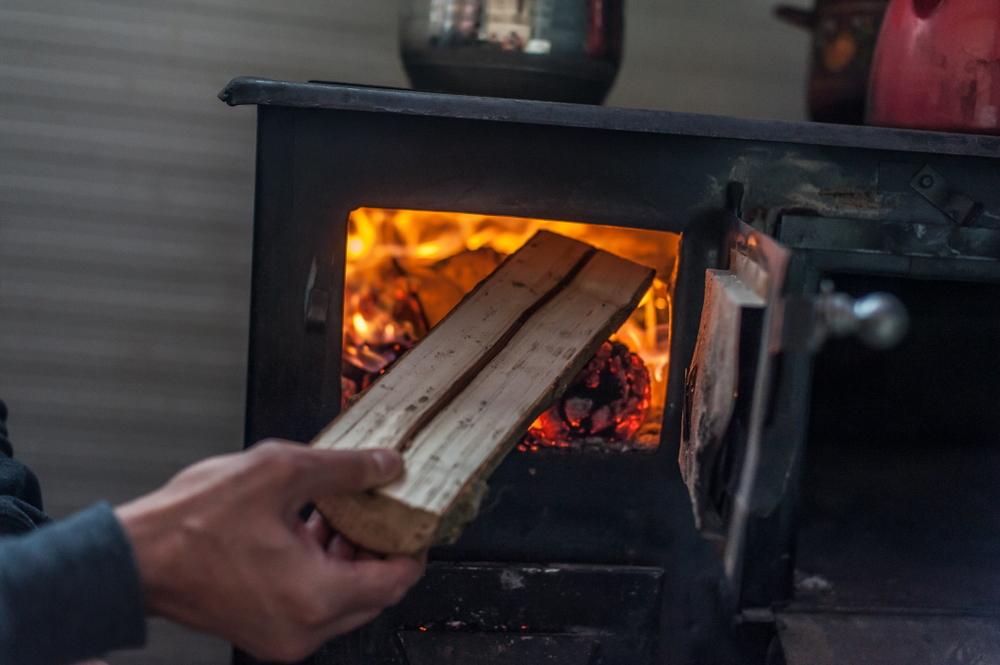
Choosing the right type of wood to burn in your fireplace or wood stove can make all the difference in terms of heat output, burn time, efficiency, and safety. Whether you’re using your fireplace for ambiance or as a primary heat source, selecting the best firewood for fireplace use will help you get the most out of your experience. Understanding the characteristics of different fireplace wood types—from hardwoods to softwoods—can help you avoid common issues like excess smoke, creosote buildup, or low heat output. In this comprehensive guide, we’ll explore the best types of firewood to use, the reasons why they perform well, and which woods to avoid for the cleanest, hottest burn.
Why Wood Selection Matters
When people think about what kind of wood to toss into their fireplace or wood stove, they often default to what’s most easily available. But not all wood is created equal. The efficiency, safety, and satisfaction you get from a fire are significantly influenced by the type of wood you burn.
Seasoned hardwoods are generally considered the best firewood for fireplace use. They offer higher energy content per cord (measured in BTUs) and burn cleaner, with less creosote buildup in your chimney. Creosote is a highly flammable substance that forms when wood smoke condenses in your chimney—leading to a serious fire hazard if not properly managed. Certain softwoods, while easier to split and quicker to ignite, burn faster and produce more creosote.
Another factor to consider is moisture content. Freshly cut, or “green” wood, contains a high percentage of water, making it difficult to light and causing it to burn inefficiently. Seasoned wood—typically air-dried for at least six months to a year—has a moisture content below 20%, making it ideal for burning.
Top-Performing Hardwoods
Hardwoods are generally the best firewood for fireplace setups due to their density, heat output, and slow burn time. Among the wide range of fireplace wood types, oak, hickory, maple, and ash are widely regarded as superior.
Oak is often considered the gold standard of firewood. Available in both red and white varieties, oak burns slowly and produces consistent, high heat. It also creates minimal smoke when properly seasoned. Because of its density, oak can be difficult to ignite initially, but once it gets going, it offers a long, steady burn that’s perfect for overnight heating in wood stoves.
Hickory is another powerhouse. It produces more heat than oak and burns just as long. Hickory’s high energy output makes it a favorite among people who use wood stoves as a primary heat source. It also gives off a pleasant aroma, which is a bonus if you’re using your fireplace for ambiance.
Maple, particularly sugar maple, is dense and burns cleanly. It’s easier to split than oak or hickory, which can make the processing less labor-intensive. Ash is similarly prized for its low moisture content even when green, meaning it seasons more quickly than other hardwoods and lights easily.
These hardwoods might require a bit more effort to split and season, but they repay the effort with high energy output, long burn times, and clean combustion—all key elements when evaluating the best firewood for fireplace heating.
Effective and Efficient Softwoods
Softwoods are generally less dense than hardwoods, which means they burn faster and produce less heat. However, they still have a place in your wood-burning strategy. If used correctly, softwoods can complement your hardwood stockpile effectively.
Pine is a commonly used softwood, especially in the colder northern climates. It’s easy to split and ignites quickly, making it an excellent fire starter. However, pine produces more creosote than hardwoods due to its higher resin content. It should be fully seasoned—often requiring a full year of drying—and used sparingly or in combination with hardwoods to reduce chimney buildup.
Fir, especially Douglas fir, is a better choice among softwoods. It has a lower sap content than pine and burns relatively cleanly. It also seasons more quickly and is easier to split. While it doesn’t have the same heat output or burn time as oak or hickory, it’s a reliable performer that can serve as a bridge wood—something to use while your stove heats up before adding hardwood logs.
Cedar is another softwood that many enjoy, particularly for its pleasant scent. It crackles and pops, creating a cozy ambiance. However, it burns very quickly, so it’s better suited for kindling or short evening fires when ambiance is more important than long-term heat.
Although softwoods are generally not considered the best firewood for fireplace use, their convenience and quick burn time make them ideal for certain applications—especially when you need a quick flame or an easy fire starter.
Woods to Avoid and Why
While it might be tempting to burn whatever wood you can get your hands on, some types should be avoided due to their poor performance or safety hazards.
Green or wet wood is the most common culprit of poor burning. High moisture content leads to excessive smoke, low heat output, and heavy creosote buildup. Always use a moisture meter to ensure your firewood is below 20% moisture content before burning.
Treated or painted wood is another category to avoid. This includes construction lumber, pallets, and furniture pieces. Burning treated wood releases toxic chemicals that can be dangerous when inhaled and damaging to your chimney and stove.
Driftwood is often thought of as a free and plentiful resource for coastal residents, but it can be hazardous. Salt from seawater is absorbed into the wood and, when burned, releases corrosive and toxic compounds that can damage your chimney lining and pollute the air.
Other less desirable fireplace wood types include poplar, willow, and sycamore. These woods tend to burn poorly, produce a lot of smoke, and don’t generate much heat. They might be acceptable in a pinch, but they’re not ideal for consistent use in a wood stove or fireplace.
Seasoning, Storage, and Sustainability
Even the best firewood for fireplace enjoyment won’t perform well unless it’s properly seasoned and stored. Firewood should be stacked off the ground, with good airflow and protection from rain and snow. Covered woodpiles with open sides or a woodshed are ideal setups. The goal is to allow the wood to dry thoroughly while avoiding excessive exposure to moisture.
Seasoning time varies by wood type. Dense hardwoods like oak can take up to two years to fully season, while ash or fir may be ready within six to twelve months. Properly seasoned wood is lighter, has visible cracks in the ends, and produces a hollow sound when struck against another piece.
Sustainability is another consideration. Using local and sustainably harvested firewood reduces your carbon footprint and helps protect forest ecosystems. Avoid transporting firewood long distances, as this can spread invasive pests like the emerald ash borer. Many regions now enforce firewood transport restrictions for this reason.
If you’re buying firewood, look for reputable suppliers who offer seasoned wood and can tell you the species and moisture content. Buying by the cord—a stack 4 feet high, 4 feet wide, and 8 feet long—is the standard measurement. Be wary of sellers offering “face cords” or other non-standard measures without clear volume explanations.
In terms of sustainability, hardwoods like maple and ash tend to regenerate well when responsibly managed. Fast-growing softwoods can be a renewable supplement, especially when used strategically for kindling or quick fires. Blending wood types based on burn stage—starting with softwoods and transitioning to hardwoods—can provide efficient and balanced heating throughout the winter season.
Conclusion
Understanding the best firewood for fireplace or wood stove use is about more than just grabbing logs from the nearest pile. It’s about selecting fireplace wood types that burn efficiently, safely, and sustainably. Dense hardwoods like oak, hickory, and maple offer long-lasting, high-heat performance, while softwoods like pine and fir can be useful in specific contexts when properly seasoned. Avoid unseasoned, treated, or unsafe wood types, and always store your firewood properly to preserve its quality. With the right approach, your fireplace or wood stove will not only keep you warm but do so efficiently, safely, and in harmony with the environment.
Need Chimney Caps & Full-Service Chimney Care Near You?
Keep your home safe and cozy with our expert team at The Chimney Cleaner Inc.! From professional chimney cleaning and detailed inspections to fireplace restorations and custom mantles, we’re dedicated to ensuring your chimney and fireplace work safely and efficiently. Whether you need reliable sweeping, gas line installation, or chimney stack remodeling, we’ve got you covered throughout Ventura County and beyond. Give us a call today—we’re ready to help you enjoy the warmth and peace of mind you deserve!