Buying or selling a home in Ventura often involves a long checklist of inspections, negotiations, and repair decisions. One issue that can surprise both buyers and sellers is the condition of the chimney liner. A damaged or outdated liner may not be obvious during everyday use, but it can become an important discussion point once a home inspection is completed.
Quick Answer
Chimney relining during a real estate transaction is often recommended when an inspection finds a damaged, deteriorated, or improperly sized chimney liner. Addressing the issue before closing can improve safety, help avoid delays during negotiations, and give both buyers and sellers greater confidence in the property’s condition. In Ventura, older homes and coastal conditions can make chimney liner evaluations especially valuable.
What Local Readers Should Know
Many homes throughout Ventura and nearby communities were built decades ago, making aging chimney systems a common inspection finding.
Coastal moisture and salty ocean air can gradually affect masonry chimneys, particularly in neighborhoods closer to the Pacific Ocean.
A fireplace that appears functional may still have hidden flue liner damage that only a professional chimney inspection can identify.
Buyers may request repairs or credits if a chimney inspection reveals safety concerns before closing.
Proper chimney relining can help the fireplace operate more safely while meeting modern performance expectations.
Why This Matters Locally
Chimney relining is especially relevant for homeowners in Ventura because the area’s housing inventory includes many established homes with original masonry fireplaces. Neighborhoods such as Midtown Ventura, Pierpont Bay, Ventura Keys, and the hills above the city feature properties where fireplaces remain an important home feature.
The coastal climate, marine air, seasonal moisture, and years of normal fireplace use can all contribute to deterioration inside the chimney system. Buyers purchasing homes throughout Ventura County, including Oxnard, Ojai, and Camarillo, increasingly rely on thorough inspections before completing a purchase.
R. Horne Hearth and Home helps local homeowners understand fireplace and chimney conditions so they can make informed decisions throughout the buying and selling process. After this introduction, we focus on educating readers about what chimney relining involves and when it may be appropriate.
Local Data and Field Observations
Professional organizations such as the Chimney Safety Institute of America recommend regular chimney inspections, particularly when buying or selling a home or after any change in property ownership. While every chimney is different, our field observations throughout the Ventura area show that inspection reports frequently identify aging clay tile liners, cracked mortar joints, and flue systems that no longer match the fireplace or appliance connected to them.
These findings do not automatically require complete replacement, but they often lead to further evaluation before escrow closes.
Local Impact
Chimney liner issues can affect much more than the fireplace itself. Buyers may hesitate to proceed without understanding the extent of repairs, while sellers may face additional negotiations after inspection reports are completed.
Resolving chimney concerns before closing can:
Reduce unexpected repair negotiations.
Help prevent delays during escrow.
Improve confidence in the home’s safety.
Allow buyers to use the fireplace with greater peace of mind after purchase.
Prevent small chimney issues from becoming more expensive repairs later.
Warning Signs
Chimney relining may be worth discussing with a qualified professional if you notice any of the following:
Cracked or missing clay flue tiles.
Pieces of tile or masonry inside the fireplace.
White staining, known as efflorescence, on the chimney exterior.
Strong smoke odors inside the home.
Excessive creosote buildup.
Water stains near the fireplace or chimney.
A chimney inspection report recommending further evaluation.
A fireplace being converted to a different fuel type or appliance.
When to Call a Professional
A professional chimney inspection is recommended whenever a home is being bought or sold and there are questions about the chimney’s condition. Homeowners can visually monitor the exterior masonry and look for obvious signs of deterioration, but the interior flue cannot be safely evaluated without specialized inspection equipment.
If a home inspector notes concerns, scheduling a dedicated chimney inspection before closing can help clarify whether relining is actually necessary or if other repairs are more appropriate.
Common Local Causes
Several factors commonly contribute to chimney liner deterioration throughout the Ventura region.
1. Aging Construction
Many fireplaces were built decades ago using clay tile liners that naturally wear over time.
2. Coastal Moisture
Salt air and seasonal moisture can gradually affect masonry systems, particularly in neighborhoods closer to the coastline.
3. Earth Movement
Southern California experiences regular seismic activity, and even minor structural movement can contribute to cracking in older chimney systems.
4. Previous Fireplace Modifications
Installing a new gas insert, wood stove, or heating appliance without properly resizing the flue may require a new chimney liner.
5. Deferred Maintenance
Years without chimney inspections can allow small issues to become larger repair projects.
Prevention and Maintenance
Regular chimney inspections remain the best way to identify problems before they affect a real estate transaction.
Helpful maintenance practices include:
Schedule annual chimney inspections if the fireplace is regularly used.
Have the chimney cleaned when creosote accumulation becomes significant.
Repair masonry damage before moisture enters the chimney.
Address water intrusion promptly.
Avoid burning inappropriate materials that create excessive deposits.
Have any fireplace modifications evaluated to ensure the flue remains properly matched.
Expected Results
A properly selected chimney relining solution can improve draft performance, enhance fireplace safety, and address deterioration identified during inspection. Buyers and sellers should expect the recommended solution to depend on the chimney’s construction, appliance type, and inspection findings rather than a one-size-fits-all approach.
Common Mistakes
Mistake: Assuming the fireplace is safe because it was used recently. Consequence: Hidden liner damage may still exist. Better Approach: Schedule a professional chimney inspection before listing or purchasing the home.
Mistake: Waiting until the final days of escrow. Consequence: Repairs can delay closing or complicate negotiations. Better Approach: Address chimney concerns as early as possible.
Mistake: Focusing only on visible masonry. Consequence: Interior flue damage may remain undiscovered. Better Approach: Have the complete chimney system evaluated.
Mistake: Choosing repairs without understanding the inspection findings. Consequence: Unnecessary work or incomplete repairs may result. Better Approach: Review inspection recommendations with an experienced chimney professional.
Common Local Scenario
A buyer places an offer on an older Ventura home with a traditional masonry fireplace. During the inspection period, the chimney inspection identifies cracked clay flue tiles and recommends relining. Instead of delaying the transaction, the buyer and seller review repair options early in escrow, allowing negotiations to proceed with a clear understanding of the work involved.
Related Service Solutions
Depending on the inspection findings, helpful services may include:
Larger investment but may address multiple concerns
Service Areas
We proudly serve homeowners throughout Ventura as well as nearby communities including Oxnard, Camarillo, Ojai, Port Hueneme, and other areas across Ventura County. Whether you are buying, selling, or simply maintaining your home, we help you better understand your chimney’s condition.
Cost of Ignoring the Issue
Ignoring chimney liner problems can lead to longer escrow negotiations, additional repair requests, reduced buyer confidence, and more extensive chimney deterioration over time. Addressing concerns early often gives everyone involved more flexibility during the transaction.
Does every home sale in Ventura require chimney relining?
No. Chimney relining is only recommended when an inspection identifies conditions that warrant it. Many chimneys simply require cleaning, maintenance, or minor repairs instead of a new liner.
Why are chimney inspections important during a Ventura home purchase?
A chimney inspection helps identify hidden safety or structural concerns that may not appear during a standard home inspection. This gives buyers a clearer understanding of the fireplace’s condition before closing.
Can coastal weather affect chimneys near Ventura?
Yes. Coastal moisture and marine air can gradually contribute to masonry deterioration, making regular inspections beneficial for homes located closer to the shoreline.
Can buyers ask sellers to repair chimney liner issues?
Yes. Buyers often request repairs, negotiate credits, or adjust purchase terms if inspection reports identify chimney concerns during escrow.
Are older Ventura County homes more likely to need chimney work?
Older homes frequently have original chimney systems that may benefit from inspection because building materials naturally age over time. Every chimney should be evaluated individually.
Should I inspect my chimney before listing my home?
Yes. A pre-listing chimney inspection can identify potential issues early, giving sellers more time to address concerns before negotiations begin.
Closing
A chimney liner may be hidden from view, but it can play an important role during a real estate transaction. Understanding its condition before closing helps buyers and sellers make informed decisions while reducing surprises during the inspection process.
Protect Your Ventura Home Sale or Purchase with Confidence
Whether you are preparing to list your home or evaluating a property you’re ready to buy, we’re here to help you understand your chimney’s condition and available solutions.
As cooler evenings return to Ventura, CA, many homeowners look forward to lighting the fireplace for the first time in months. Before that first fire, however, it is worth making sure your chimney is ready. A chimney that sat unused through the warmer months may contain creosote buildup, soot, nesting debris, or hidden damage that can affect both safety and performance.
Quick Answer
Chimney sweeping before the first fire of the season removes flammable creosote, clears soot and debris, and gives homeowners the opportunity to identify safety concerns before regular fireplace use begins. In coastal communities like Ventura, where fireplaces may sit idle for much of the year before seeing frequent winter use, a preseason chimney inspection and cleaning can help reduce fire hazards and improve fireplace performance.
What Local Readers Should Know
Chimneys can accumulate creosote even after a single heating season, and the residue becomes increasingly flammable as it builds.
Ventura’s mild climate often means fireplaces sit unused for months, giving birds and other animals time to build nests inside chimneys.
Homes throughout Ventura County, including Oxnard, Camarillo, and Ojai, often have fireplaces that are used seasonally rather than daily, making preseason inspections especially valuable.
A professional chimney sweeping includes more than cleaning. It also provides an opportunity to identify visible signs of wear or damage before the heating season begins.
Scheduling service before colder weather arrives often provides more flexibility than waiting until peak fireplace season.
Why This Matters Locally
Chimney sweeping before winter is especially important for homeowners in Ventura because fireplaces are often used intermittently throughout the year. Long periods without use can allow moisture, debris, nesting materials, and even vegetation to affect chimney systems.
Many homes throughout Midtown Ventura, Ventura Hillsides, Pierpont Bay, and nearby communities feature traditional masonry fireplaces that benefit from regular maintenance. Coastal air, seasonal moisture, and occasional winter storms can also contribute to deterioration of chimney caps, flashing, and masonry over time.
At R. Horne Hearth and Home, we help homeowners prepare their fireplaces for safe, reliable operation before the busy heating season begins. Our goal is to identify potential issues early so families can enjoy their fireplaces with greater confidence all winter long.
Local Field Observations
Professional chimney technicians commonly find that fireplaces which appeared to work normally the previous winter can still accumulate enough creosote to require cleaning before the next season.
It is also common to discover:
Bird nests near the chimney cap
Leaves and small branches inside the flue
Moisture staining after seasonal rain
Damaged chimney caps
Small cracks in mortar joints
Deteriorated chimney crowns
Loose fireplace components
These conditions are often easier and less expensive to address before regular fireplace use resumes.
Local Impact
For Ventura homeowners, delaying chimney maintenance can lead to several avoidable problems.
Even a partially blocked flue may reduce draft, causing smoke to enter the living space instead of exiting through the chimney. Excess creosote increases the likelihood of chimney fires, while damaged chimney components may allow moisture to enter the masonry system during winter rain.
A preseason inspection also helps identify maintenance needs before family gatherings and holiday entertaining increase fireplace use.
Warning Signs Your Chimney Needs Sweeping
Several warning signs suggest it’s time to schedule chimney service:
A strong smoky or burnt odor even when the fireplace is not in use
Black, shiny creosote visible inside the firebox or flue
Smoke entering the room during fires
Poor fireplace draft
Bird noises or evidence of nesting
Pieces of soot or debris falling into the fireplace
White staining or moisture marks around the chimney exterior
More than one heating season since the last professional cleaning
When to Call a Professional
A professional chimney inspection is recommended before lighting the first fire of the season, especially if:
You cannot remember the last chimney sweeping.
You notice visible creosote buildup.
Animals may have entered the chimney.
The fireplace has not been used for an extended period.
Smoke does not vent properly.
You see cracks or signs of deterioration around the chimney.
Homeowners can safely inspect the fireplace opening for obvious debris, but internal chimney cleaning and flue inspections require specialized equipment and training.
Common Local Causes of Chimney Problems
Several factors commonly contribute to chimney maintenance needs in Ventura County.
1. Seasonal Fireplace Use
Many fireplaces remain unused throughout spring and summer before seeing frequent use during cooler months.
2. Creosote Accumulation
Burning wood naturally creates creosote deposits that gradually coat the chimney liner.
3. Wildlife Activity
Birds frequently build nests inside uncapped chimneys during the off-season.
4. Coastal Moisture
Marine air and seasonal rain can contribute to gradual masonry deterioration and metal component corrosion.
5. Aging Homes
Many homes throughout Ventura and neighboring communities feature older masonry chimneys that benefit from regular inspections.
Prevention and Maintenance
The best time to schedule chimney sweeping is before the heating season begins.
Schedule annual inspections even during years with lighter fireplace use.
Routine maintenance helps catch developing issues before they become larger repairs.
Expected Results
After professional chimney sweeping and inspection, homeowners can generally expect:
Improved fireplace draft
Cleaner chimney walls
Removal of creosote and soot buildup
Better identification of maintenance needs
Greater confidence before lighting the first seasonal fire
The exact condition of every chimney varies, but regular maintenance helps keep systems operating as intended.
Common Mistakes
Mistake: Waiting until the first cold evening to discover a chimney problem.
Consequence: Service appointments may be less available, and the fireplace may be unusable until repairs are completed.
Better Approach: Schedule chimney sweeping during late summer or early fall before peak demand begins.
Mistake: Assuming a chimney is clean because it was only used occasionally.
Consequence: Even moderate fireplace use can produce enough creosote to warrant inspection.
Better Approach: Follow annual inspection recommendations regardless of how often the fireplace was used.
Mistake: Ignoring unusual fireplace odors.
Consequence: Odors may indicate creosote buildup, moisture intrusion, or animal activity.
Better Approach: Have the chimney evaluated before using the fireplace again.
Common Local Scenario
A Ventura homeowner prepares for the first cool evening of autumn and notices smoke entering the room instead of traveling up the chimney. A chimney inspection reveals a combination of nesting debris near the cap and creosote accumulation from the previous winter. After professional cleaning and removal of the obstruction, the fireplace drafts properly and is ready for regular seasonal use.
Related Service Solutions
Depending on the chimney’s condition, homeowners may benefit from:
Cannot remove internal creosote or inspect the full flue
Professional chimney sweeping
Removes buildup and includes a more complete evaluation
Requires scheduling service
Waiting until problems appear
No immediate maintenance
Higher chance of reduced performance, unexpected repairs, or safety concerns
Service Areas
We proudly serve homeowners throughout Ventura, as well as Oxnard, Camarillo, Ojai, Santa Paula, Port Hueneme, and surrounding communities throughout Ventura County. Our local experience allows us to understand the seasonal fireplace needs common across the Central Coast.
Cost of Ignoring the Issue
Putting off chimney maintenance can allow creosote buildup, animal nests, or masonry damage to worsen over time. Delaying service may also increase repair costs or prevent safe fireplace use when colder weather arrives.
Yes. Most chimneys should be inspected annually, and sweeping should be performed whenever creosote accumulation reaches a level that warrants cleaning. Even fireplaces used only during winter benefit from yearly inspections.
Is creosote really dangerous?
Yes. Creosote is a highly combustible byproduct of burning wood. As deposits accumulate inside the chimney, the risk of a chimney fire increases.
Why should I schedule chimney service before winter in Ventura?
Scheduling before winter often allows more appointment availability and ensures your fireplace is ready before cooler temperatures encourage regular use.
Can birds build nests inside chimneys around Ventura County?
Yes. Chimneys that remain uncapped or unused for several months can become attractive nesting locations for birds and other wildlife.
What does a chimney safety inspection include?
A chimney inspection typically evaluates accessible components for creosote buildup, obstructions, visible damage, and overall condition to help determine whether cleaning or repairs are needed.
Can I clean my own chimney?
Basic visual checks around the fireplace are appropriate for homeowners, but professional chimney sweeping uses specialized equipment to clean the flue thoroughly and identify conditions that may not be visible from the firebox.
Does coastal weather affect chimneys?
Yes. Marine air, moisture, and seasonal rain throughout Ventura County can contribute to gradual wear of masonry, metal flashing, and chimney caps over time.
When is the best time to schedule chimney sweeping?
Late summer and early fall are often ideal because service can be completed before fireplaces begin regular seasonal use.
Prepare Your Fireplace Before the Season Begins
A clean, professionally inspected chimney helps support safer, more enjoyable fireplace use throughout the cooler months. Whether your fireplace saw heavy use last winter or only a few fires, preseason maintenance is a smart way to prepare for the season ahead.
Ready for a Safer First Fire?
Our team is here to help homeowners throughout Ventura and the surrounding communities prepare their fireplaces for the heating season.
If you’ve noticed a smoky smell after a windy day, water stains around your fireplace, or a fireplace that suddenly seems draftier than usual, your chimney cap may be the culprit. Across Ventura County, these problems often show up after coastal weather exposure, seasonal storms, or years of wear from sun, salt air, and wind.
Many homeowners in Camarillo, Ventura, Thousand Oaks, and nearby communities don’t realize how important a chimney cap is until they begin experiencing moisture intrusion, animal entry, unpleasant odors, or fireplace performance issues.
Missing or damaged chimney caps are one of the most common causes of fireplace drafts, chimney odors, and moisture problems in Ventura County. A properly installed chimney cap helps keep rain, debris, animals, and downdrafts out of the chimney system while protecting the flue and fireplace from costly damage. When the cap is damaged, missing, rusted, or improperly fitted, homeowners often notice symptoms inside the home long before they realize the source is on the roof.
What Ventura County Homeowners Should Know
A missing chimney cap allows rainwater to enter the chimney, which can damage masonry, dampers, fireboxes, and fireplace components.
Strong coastal winds throughout Ventura County can create downdrafts when a chimney cap is damaged or missing.
Chimney odors often become worse during humid mornings, foggy conditions, or after rainfall because moisture combines with soot and creosote inside the flue.
Wildlife such as birds and small animals frequently enter uncapped chimneys, creating blockages and safety concerns.
Routine chimney inspections can identify chimney cap issues before they lead to more extensive repairs.
The climate across Ventura County creates unique challenges for chimney systems. Coastal communities such as Ventura and Oxnard experience marine air and moisture exposure, while inland areas like Thousand Oaks, Moorpark, and Simi Valley experience hot summers and seasonal winds.
These environmental conditions can accelerate corrosion on metal chimney caps and gradually weaken protective components. Homes near the Pacific coastline often experience additional exposure to salt air, which may shorten the lifespan of poorly constructed caps.
At R. Horne Hearth and Home, we frequently inspect fireplaces where homeowners initially believe they have a fireplace problem, only to discover the root issue begins at the top of the chimney system.
Local homeowners experiencing drafts, odors, or moisture around their fireplace often discover the source is a damaged chimney cap. Moisture intrusion can accelerate chimney deterioration, while downdrafts can affect fireplace comfort and performance. Coastal weather patterns, seasonal storms, and wildlife activity all contribute to chimney cap wear across Ventura County. Early inspection and repair can help prevent larger restoration needs.
Chimney Conditions Common Across Ventura County
Homes near Ventura Harbor and coastal neighborhoods often experience increased exposure to salt air and moisture.
Seasonal Santa Ana wind events can contribute to downdraft issues in uncapped or improperly capped chimneys.
Older homes throughout Oxnard, Camarillo, and Thousand Oaks may have chimney caps that have reached the end of their service life.
Rainwater entering an uncovered chimney can damage masonry materials over time.
Birds frequently seek shelter in uncapped chimneys during nesting seasons.
Debris accumulation from nearby trees can obstruct chimney openings when caps are missing.
Moisture combined with creosote often contributes to unpleasant fireplace odors.
If you’re noticing signs of chimney cap failure, a professional inspection can help determine whether repair or replacement is needed. We help homeowners throughout Ventura County understand their options and identify issues before they become more expensive.
Local Conditions That Contribute to Chimney Cap Problems
Chimney cap deterioration in Ventura County is commonly caused by coastal moisture, seasonal storms, wind exposure, and natural aging. Homes closer to the Pacific Ocean often experience accelerated corrosion, while inland properties may experience damage from heat, sun exposure, and wind-driven debris.
We’ve found that chimney caps frequently receive little attention because they are difficult to see from ground level. As a result, homeowners often discover problems only after leaks, odors, or drafting issues begin affecting the fireplace.
How Chimney Cap Problems Affect Your Home
Chimney cap problems affect your home by allowing moisture, debris, animals, and outside air to enter the chimney system. These issues can impact fireplace performance, indoor comfort, and long-term chimney health throughout Ventura County.
Water intrusion is often the most expensive consequence. Moisture can damage masonry, rust metal components, deteriorate mortar joints, and contribute to mold growth. Drafting problems may also make fireplaces less enjoyable and less efficient.
Professional Perspective on Chimney Cap Damage
Chimney cap damage is often overlooked because the symptoms appear inside the home while the source remains on the roof. Many homeowners focus on fireplace odors or leaks without realizing that a simple chimney cap repair may address the underlying issue.
In our experience, regular chimney inspections are one of the best ways to identify chimney cap concerns before moisture damage spreads throughout the system.
Warning Signs Your Chimney Cap May Be Damaged
Chimney cap damage often reveals itself through several noticeable symptoms that homeowners can identify before significant deterioration occurs.
Water stains near the fireplace
Musty or smoky odors inside the home
Increased fireplace downdrafts
Visible rust on chimney components
Bird noises or animal activity inside the chimney
Debris appearing in the firebox
Deteriorating masonry around the chimney crown
Dripping sounds after rainfall
Waiting too long can allow small problems to develop into larger masonry repairs or fireplace restoration projects.
When It’s Time to Call a Professional
Professional chimney evaluation is recommended whenever you notice recurring drafts, odors, water intrusion, or visible deterioration. While homeowners can sometimes spot obvious signs from the ground, determining the full extent of damage usually requires a closer inspection.
Because many chimney cap problems involve roof access and safety considerations, professional assessment helps ensure the entire chimney system is evaluated properly.
If you’ve noticed any of these warning signs, now is a good time to schedule a professional inspection before the next rainy season arrives.
Common Causes of Chimney Cap Failure in Ventura County
Chimney cap failure in Ventura County is most commonly caused by weather exposure, corrosion, age, and improper installation.
Coastal Moisture and Salt Air
Properties near the coastline often experience accelerated corrosion.
Wind Exposure
Strong seasonal winds can loosen or damage poorly secured caps.
Aging Materials
Older metal components naturally deteriorate over time.
Storm Damage
Heavy rain and wind events can weaken existing chimney protection.
Wildlife Activity
Birds and animals may damage already compromised chimney caps.
How to Prevent Chimney Cap Problems
Preventing chimney cap problems starts with routine inspections and timely maintenance. Homeowners should have their chimney system inspected regularly, particularly before the heating season.
We recommend addressing rust, loose fasteners, and minor damage early. Installing a properly fitted chimney cap designed for local weather conditions can significantly improve long-term protection.
What Results Can Homeowners Expect?
Replacing or repairing a damaged chimney cap can improve drafting performance, reduce moisture intrusion, minimize odors, and help protect the overall chimney structure. Many homeowners notice improved fireplace operation and greater peace of mind after correcting chimney cap issues.
The exact results depend on the condition of the chimney and whether additional repairs are needed, but addressing the problem early typically reduces long-term repair costs.
Expert Insight: Coastal weather, seasonal winds, and occasional storms make chimney cap inspections particularly valuable throughout Ventura County. Many fireplace problems that appear complex begin with a simple issue at the top of the chimney.
Common Mistakes Homeowners Make
One common mistake is assuming a fireplace odor originates inside the firebox when the source is actually moisture entering through the chimney. Another is delaying repairs because the cap is not easily visible from ground level.
A better approach is scheduling routine inspections that evaluate the entire chimney system, including the cap, crown, flue, and masonry components.
A Common Ventura County Scenario
A common local scenario involves a homeowner noticing a musty fireplace odor after winter rainfall. The fireplace may not show obvious signs of damage, but inspection reveals a rusted chimney cap allowing water into the flue.
After replacing the cap and addressing moisture-related concerns, the odors are often significantly reduced and the chimney receives improved protection against future weather exposure.
Services That Help Resolve Chimney Cap Issues
Chimney cap issues are best addressed through professional inspection, repair, and replacement services. Depending on the condition of the chimney, solutions may include chimney cap installation, chimney repairs, chimney sweeping, chimney restoration, or custom chimney shroud fabrication.
We also evaluate related components to ensure the entire system is functioning safely and efficiently.
If you’re experiencing drafts, odors, or moisture concerns, learning more about your chimney’s condition can help you make an informed decision.
Repair may be appropriate when damage is minor and the cap remains structurally sound. Replacement is often the better long-term solution when corrosion, physical damage, or improper sizing affects performance.
A professional inspection can help determine which option provides the most practical and cost-effective outcome for your home.
Areas We Serve
We proudly serve homeowners throughout Ventura County, including Ventura, Oxnard, Camarillo, Thousand Oaks, Moorpark, Simi Valley, Ojai, and surrounding communities. Our familiarity with local weather conditions and regional fireplace challenges helps us provide recommendations tailored to the area.
The Cost of Waiting
Ignoring chimney cap damage can lead to moisture intrusion, masonry deterioration, rusted components, animal entry, and more extensive repairs. What begins as a small opening at the top of the chimney can eventually affect multiple parts of the system.
Addressing issues early often helps homeowners avoid larger restoration projects later.
If you’re concerned about drafts, odors, or water intrusion, having your chimney evaluated before conditions worsen can help protect your home and fireplace investment.
Yes. A missing chimney cap can allow moisture into the flue, which may combine with soot and creosote deposits to create unpleasant odors inside the home.
Do chimney caps help prevent rain damage?
Yes. Chimney caps are specifically designed to help keep rainwater out of the chimney system and reduce moisture-related deterioration.
How often should chimney caps be inspected in Ventura County?
Most homeowners should have their chimney inspected regularly, especially before fireplace season and after major storms or wind events.
Can birds get into a chimney without a cap?
Yes. Uncapped chimneys frequently attract birds and other animals seeking shelter or nesting locations.
What causes fireplace downdrafts?
Downdrafts can result from wind patterns, chimney design issues, or missing and damaged chimney caps that fail to control airflow properly.
Is chimney cap replacement expensive?
The cost varies depending on the chimney size, design, accessibility, and materials required. A professional inspection can provide accurate recommendations.
Can I inspect my chimney cap myself?
You may be able to observe obvious damage from the ground, but roof access and detailed evaluation are typically best left to trained professionals.
What other services may be needed with chimney cap replacement?
Depending on the condition of the system, chimney cleaning, repairs, restoration work, or custom chimney shroud installation may also be recommended.
Fireplace and chimney problems are rarely convenient, but they are often easier to resolve when identified early. We understand the unique conditions that affect chimneys throughout Ventura County and help homeowners protect their fireplaces with thorough inspections, maintenance, and repair services.
Protect Your Chimney From Moisture, Drafts, and Costly Damage
Whether you’re noticing odors, leaks, drafting issues, or signs of deterioration, professional evaluation can help identify the source and recommend the right solution. Our team provides chimney inspections, cleaning, repairs, cap installations, restoration services, and fireplace care throughout Ventura County.
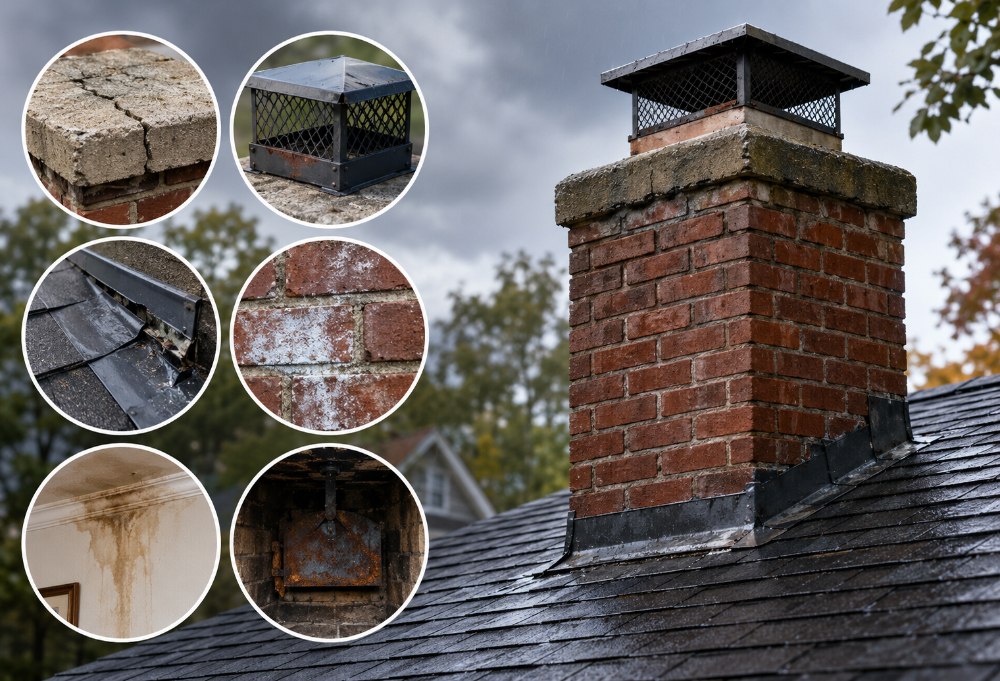
If there’s one issue we see more than anything else, it’s chimney leaks. Homeowners spend thousands of dollars renovating kitchens and bathrooms, upgrading appliances, and improving curb appeal, yet the chimney sitting right above their roofline gets completely overlooked. It’s one of the most common and costly mistakes in home maintenance, and it almost always starts small before it becomes a serious problem.
And here’s the truth: water is your chimney’s worst enemy.
Why Chimneys Are So Vulnerable to Water
Most people think of a chimney as a solid, durable structure. It looks sturdy from the outside, and for good reason: it’s built from brick, mortar, and stone. But that tough exterior hides a structure that is constantly under attack from the elements.
Your chimney sits above your roofline, exposed to rain, wind, temperature changes, and sun exposure every single day of the year. Unlike the rest of your home, which benefits from siding, roofing materials, and protective overhangs, your chimney stands alone. It takes the full force of every storm, every freeze-thaw cycle, and every season without much protection at all.
Over time, even a well-built chimney starts to break down if it’s not properly sealed and maintained. The mortar joints crack. The crown develops hairline fractures. The flashing separates from the roofline. And once any of those entry points open up, water finds its way in.
The Most Common Causes of Chimney Leaks
We see the same problems again and again when it comes to chimney leak repair, and understanding them is the first step toward fixing things the right way.
A cracked chimney crown is one of the biggest culprits. The crown is the concrete or mortar cap that sits at the very top of your chimney, sealing the space between the flue liner and the outer edge. When it cracks, rainwater runs straight down into the chimney structure.
Missing or damaged chimney caps are another frequent offender. The cap sits over the flue opening and keeps rain, debris, and animals out. Without one, your chimney is essentially an open hole in your roof.
Failed flashing at the roofline is responsible for a huge number of water intrusion calls. Flashing is the metal seal that connects your chimney to your roof, and when it pulls away or corrodes, water pours in right where the two surfaces meet.
Porous brick absorbing water is a subtler issue, but just as damaging. Brick looks solid, but it’s actually highly absorbent. Without a proper waterproof sealant applied to the masonry, bricks soak up moisture with every rainfall.
Finally, an open flue with no protection invites not just water but also animals, leaves, and debris that can block airflow and create fire hazards.
It doesn’t take much. Just a small crack can let water in, and once it’s in, it spreads.
Signs You Might Have a Leak
One of the trickiest parts of leaking chimney repair is that the damage isn’t always obvious right away. By the time you notice something, the water has often already been working its way through your chimney for months.
Water stains on walls or ceilings near the fireplace are a clear warning sign. So is a musty smell coming from the firebox, which usually indicates mold or mildew growing somewhere inside the system. Rust on the damper or firebox components tells you moisture has been sitting inside the chimney long enough to cause metal corrosion. Dripping sounds after rain are impossible to ignore once they start. And white staining on the brick, known as efflorescence, is a visible sign that water is moving through the masonry and pulling minerals to the surface.
A lot of homeowners ignore these early signs, thinking it’s minor. It’s not.
What Happens If You Don’t Fix It
Water damage builds slowly, but it hits hard. When chimney leaks go unaddressed, the consequences stack up quickly.
The flue liner, which is designed to contain heat and combustion gases safely, deteriorates when exposed to moisture over time. A damaged flue liner is not just a structural problem; it’s a safety hazard. Firebox damage follows, as repeated moisture exposure breaks down the firebrick and mortar inside. Mold growth becomes a serious concern, especially in the walls and ceiling areas surrounding the fireplace. Structural weakening of the chimney can eventually make it unstable. Interior drywall damage often extends far beyond the fireplace itself, spreading to adjacent rooms.
What could have been a $250 seal job turns into a $5,000 or more rebuild. That math is hard to ignore.
How We Fix Chimney Leaks the Right Way
There’s no one-size-fits-all solution when it comes to chimney leak repair. Every chimney is different, and a proper diagnosis needs to come before any repairs begin. That said, a thorough repair usually includes a combination of the following approaches.
Crown sealing or rebuilding addresses cracks or deterioration at the top of the chimney. Installing a stainless steel chimney cap closes off the flue opening and protects against rain and debris. Repairing flashing restores the waterproof seal between the chimney and the roof surface. Applying waterproofing to masonry creates a breathable barrier that repels water without trapping moisture inside the brick. Sealing cracks and joints throughout the chimney structure closes off any remaining entry points.
Done right, these repairs can add years, sometimes decades, to the life of your chimney.
Prevention Is the Old-School Way
The best approach is still the simplest. Annual inspections catch small problems before they become expensive ones. Sealing small cracks early, before they widen through freeze-thaw cycles, is far cheaper than waiting. Keeping a proper chimney cap installed year-round is basic but essential protection. Addressing issues before winter means you’re not scrambling to schedule repairs when every chimney professional in the area is fully booked.
It’s the kind of routine maintenance that keeps bigger problems off your plate.
Local Experience Matters
Not every chimney faces the same conditions. Coastal homes in Ventura and Santa Barbara deal with salt air and moisture that accelerate corrosion and deterioration in ways that inland homes simply don’t experience. Inland areas, on the other hand, see more dramatic temperature swings between seasons, which puts extra stress on mortar joints and crowns as materials expand and contract repeatedly.
Different environments, but the same principle: keep water out.
A chimney contractor with local experience understands these regional differences and knows how to choose the right materials and sealing methods for your specific climate. Generic solutions don’t always hold up in areas with unique weather conditions, which is why working with someone who knows your area matters more than most homeowners realize.
Conclusion
Chimney leaks rarely announce themselves loudly. They work quietly, slowly, and expensively behind walls and inside masonry until the damage is impossible to ignore. If you’ve noticed any signs of a leak, or just want peace of mind, it’s worth having it looked at before the next rain hits. A small investment in chimney leak repair today is almost always far less painful than the leaking chimney repair bill waiting on the other side of a neglected problem.
Need Chimney Caps & Full-Service Chimney Care Near You?
Keep your home safe and cozy with our expert team at The Chimney Cleaner Inc.! From professional chimney cleaning and detailed inspections to fireplace restorations and custom mantles, we’re dedicated to ensuring your chimney and fireplace work safely and efficiently. Whether you need reliable sweeping, gas line installation, or chimney stack remodeling, we’ve got you covered throughout Ventura County and beyond. Give us a call today; we’re ready to help you enjoy the warmth and peace of mind you deserve!
If you have a fireplace, your chimney is exposed to rain, wind, debris, and animals every day. Many homeowners do not think about their chimney cap until water starts leaking into the fireplace or birds find their way inside. In areas with seasonal storms, temperature swings, and prolonged sun exposure, the right chimney cap can prevent costly chimney damage before it starts.
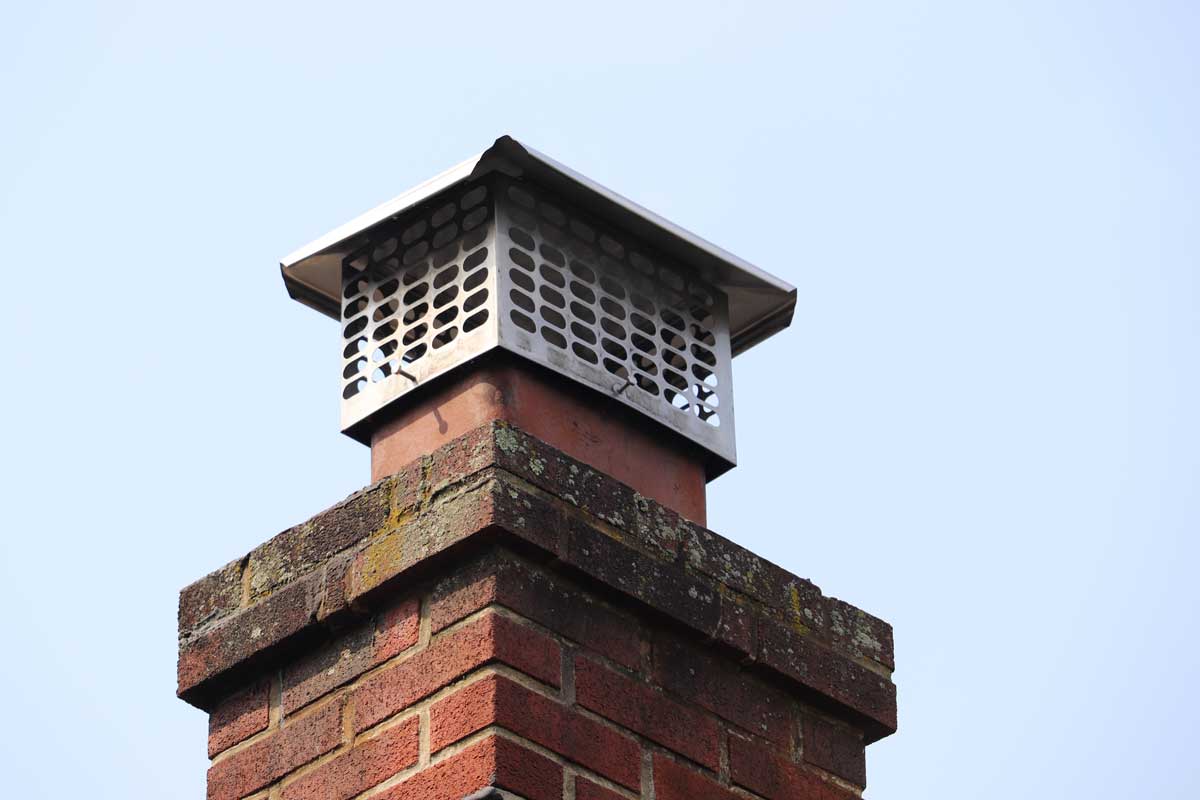
Stainless steel chimney caps are worth the investment because they provide long-term protection against water intrusion, animal entry, debris buildup, and premature chimney deterioration. While they often cost more upfront than galvanized steel or lower-grade materials, their durability and resistance to rust make them one of the most cost-effective chimney upgrades for homeowners planning to keep their fireplace in good condition.
What Homeowners Should Know About Stainless Steel Chimney Caps
Stainless steel is widely considered the best chimney cap material because it resists rust and corrosion far better than many alternatives.
A quality chimney cap helps prevent water from entering the chimney system, which can damage masonry, liners, dampers, and fireplaces.
Chimney cap replacement is often less expensive than repairing water damage caused by an uncovered or deteriorated chimney.
Stainless steel caps typically last significantly longer than galvanized steel options in demanding weather conditions.
Homeowners considering a new fireplace or chimney upgrade should include a durable chimney cap in their long-term maintenance plan.
Why Chimney Caps Matter for Local Homes
Chimney caps serve as the first line of defense against outside elements. Whether a home has a traditional masonry fireplace, a prefabricated fireplace system, or a wood-burning stove vent, the chimney opening is vulnerable without proper protection.
Weather conditions can be particularly hard on chimney systems. Rain, wind-driven moisture, leaves, twigs, and nesting animals can all create problems that shorten the life of the chimney. Even a small amount of repeated water intrusion can lead to expensive repairs over time.
At R. Horne Hearth and Home, we frequently see chimney issues that could have been prevented with a properly installed, high-quality chimney cap.
Stainless steel chimney caps offer long-term protection against moisture, animals, and debris. They generally outlast many alternative materials because they resist rust and corrosion. Investing in a quality cap can help reduce maintenance needs and extend the lifespan of the entire chimney system.
Chimney Protection Facts Every Homeowner Should Know
Water is one of the leading causes of chimney deterioration.
Animals frequently enter uncapped chimneys in search of shelter.
Debris buildup can restrict airflow and create ventilation concerns.
Chimney cap replacement is often far less costly than repairing extensive chimney damage.
Stainless steel remains one of the most durable materials available for chimney cap construction.
If you are evaluating the condition of your existing chimney cap or considering a new fireplace installation, learning about material options is an important first step. For personalized recommendations, contact R. Horne Hearth and Home.
Stainless steel chimney caps consistently perform well in a variety of weather conditions because they are designed to resist corrosion and maintain structural integrity over time. Industry manufacturers and chimney professionals commonly recommend stainless steel when longevity is a priority.
In our experience, homeowners often discover chimney cap issues only after noticing water stains, unpleasant odors, or animal activity. By that point, damage may already be occurring inside the chimney system.
How a Poor Chimney Cap Impacts Your Home
A failing chimney cap can allow moisture, animals, and debris to enter the chimney system. These issues can contribute to masonry deterioration, liner damage, blockages, and reduced fireplace performance.
Water intrusion is particularly concerning because moisture can affect multiple components at once. Over time, this may result in repairs that cost substantially more than replacing the cap itself.
Expert Commentary
Stainless steel chimney caps are often selected because they provide a balance of durability, performance, and long-term value. While lower-cost materials may appear attractive initially, they frequently require earlier replacement due to rust and weather-related deterioration.
We recommend homeowners think of a chimney cap as protective roofing for the chimney. Investing in a durable material now can help prevent larger expenses later.
Warning Signs Your Chimney Cap May Need Replacement
A chimney cap may need replacement if you notice visible deterioration, water intrusion, or signs of animal activity. These symptoms often indicate that the cap is no longer providing adequate protection.
Common warning signs include:
Rust or corrosion on the cap
Missing sections or loose components
Water stains near the fireplace
Animal noises coming from the chimney
Debris falling into the firebox
Excessive downdrafts
Visible damage after storms
Ignoring these signs can allow damage to spread throughout the chimney system.
When to Call a Professional
You should call a professional when a chimney cap shows visible damage, allows water intrusion, or appears improperly fitted. Professional inspection is also recommended if you are unsure whether your current cap adequately protects the chimney.
Homeowners can visually inspect a cap from the ground, but climbing onto a roof presents safety risks and may not reveal hidden damage. A professional evaluation helps ensure the entire chimney system is functioning properly.
If you suspect your chimney cap is failing, now is a good time to have the system inspected before small issues become major repairs.
Chimney cap failure is most often caused by corrosion, weather exposure, poor installation, or physical damage. Understanding these causes can help homeowners make better material choices.
Common causes include:
Rust and corrosion from prolonged exposure to moisture.
Inferior materials that deteriorate quickly.
Storm damage from wind or falling debris.
Improper installation.
Lack of routine chimney inspections.
Choosing stainless steel can significantly reduce the risk associated with corrosion-related failures.
How to Prevent Chimney Cap Problems
Preventing chimney cap problems starts with selecting a durable material and maintaining the chimney system regularly. Routine inspections help identify small issues before they become costly repairs.
Homeowners can help by:
Scheduling regular chimney inspections.
Removing overhanging branches near the chimney.
Watching for signs of water intrusion.
Addressing damage promptly.
Choosing stainless steel during chimney cap replacement projects.
What Results Can You Expect From a Stainless Steel Chimney Cap?
A stainless steel chimney cap can improve chimney protection, reduce maintenance concerns, and extend the life of key chimney components. While no product eliminates all maintenance requirements, stainless steel typically provides reliable long-term performance.
Many homeowners experience fewer moisture-related issues, reduced animal intrusion, and longer intervals between replacements compared with lower-grade materials.
Expert Insight
A chimney cap is one of the smallest components of a chimney system, but it performs one of the most important protective functions. Replacing a failing cap before major damage occurs is often one of the smartest preventive maintenance decisions a homeowner can make.
Common Mistakes Homeowners Make
Mistake: Choosing the lowest-cost cap available.
Consequence: Earlier replacement and increased risk of corrosion.
Better approach: Evaluate lifespan and durability, not just purchase price.
Mistake: Ignoring minor rust.
Consequence: Progressive deterioration and reduced protection.
Better approach: Schedule an inspection when corrosion first appears.
Mistake: Delaying chimney cap replacement.
Consequence: Water and debris enter the chimney.
Better approach: Replace damaged caps promptly.
A Common Homeowner Scenario
A common local scenario involves a homeowner noticing a musty smell after rainstorms. Upon inspection, the chimney cap is found to be rusted and partially detached. Water has been entering the chimney for months.
Replacing the damaged cap with a stainless steel model helps stop further moisture intrusion and protects the chimney from additional deterioration. While every situation is different, this illustrates how a relatively small component can prevent larger repair costs.
Related Service Solutions
Chimney cap replacement is one of the most effective services for protecting a chimney from weather-related damage. Additional services may include chimney inspections, chimney repairs, fireplace maintenance, and system upgrades.
We often recommend evaluating the entire chimney system during a cap replacement project to ensure all components are working together properly.
If you are considering chimney cap replacement or evaluating the best chimney cap material for your fireplace, our team can help you understand your options.
Stainless steel chimney caps generally offer greater durability than galvanized steel options. While galvanized steel may cost less initially, it is more susceptible to rust over time.
For homeowners seeking long-term value, stainless steel is frequently the preferred choice. The higher upfront investment often translates into fewer replacements and lower maintenance costs over the life of the chimney.
The Cost of Ignoring Chimney Cap Problems
Ignoring chimney cap problems can lead to water damage, masonry deterioration, animal intrusion, and more extensive chimney repairs. What begins as a small maintenance issue can develop into a larger restoration project.
Prompt action often helps preserve the condition of the chimney and reduce future repair expenses.
If you suspect your chimney cap is damaged, addressing the issue sooner rather than later may help prevent avoidable repairs.
Stainless steel is widely considered the best chimney cap material because it offers excellent resistance to rust, corrosion, and weather-related deterioration while providing long-lasting protection.
How long does a stainless steel chimney cap last?
A stainless steel chimney cap can last many years when properly installed and maintained. Actual lifespan depends on environmental conditions and overall chimney maintenance.
When should I consider chimney cap replacement?
You should consider chimney cap replacement if the cap is rusted, damaged, missing, loose, or allowing water and debris into the chimney.
Are stainless steel chimney caps worth the extra cost?
Yes, many homeowners find stainless steel chimney caps worth the additional cost because they typically last longer and require less replacement than lower-grade materials.
Can a chimney cap prevent animals from entering my chimney?
Yes, a properly installed chimney cap with screening can help prevent birds, squirrels, raccoons, and other animals from entering the chimney.
Can I replace a chimney cap myself?
Some homeowners attempt DIY replacement, but professional installation helps ensure proper fit, secure attachment, and safe roof access.
Closing Statement
A quality chimney cap plays a critical role in protecting your fireplace and chimney system. Choosing stainless steel can provide long-term durability, reduce maintenance concerns, and help safeguard your investment for years to come.
Protect Your Chimney Before Small Problems Become Expensive Repairs
Whether you need chimney cap replacement or want guidance on selecting the best chimney cap material, we’re here to help you understand your options and make an informed decision.