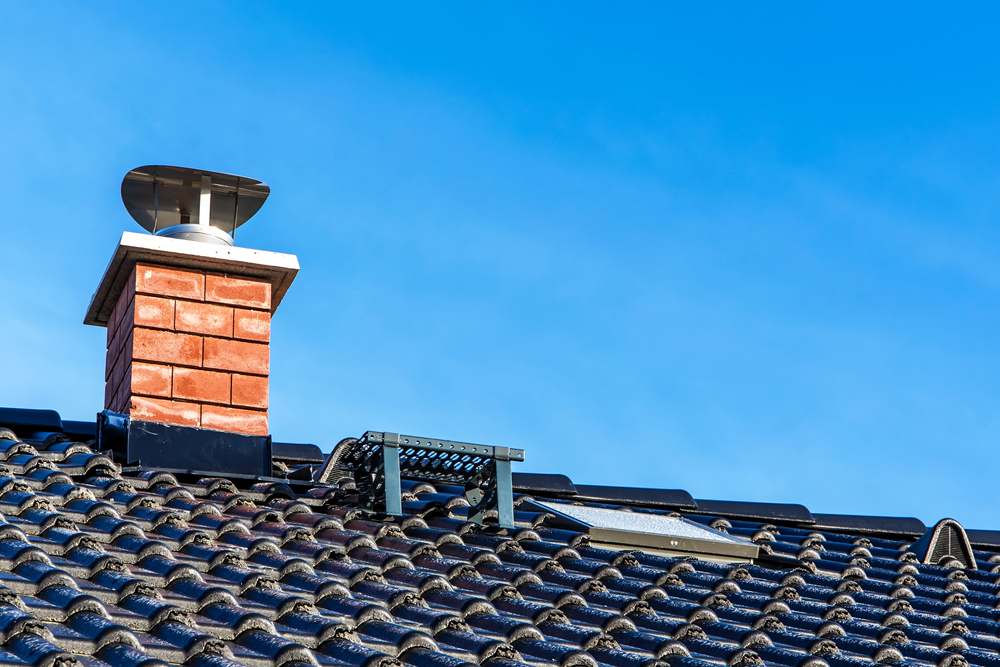
If you’ve noticed a smoky smell after a windy day, water stains around your fireplace, or a fireplace that suddenly seems draftier than usual, your chimney cap may be the culprit. Across Ventura County, these problems often show up after coastal weather exposure, seasonal storms, or years of wear from sun, salt air, and wind.
Many homeowners in Camarillo, Ventura, Thousand Oaks, and nearby communities don’t realize how important a chimney cap is until they begin experiencing moisture intrusion, animal entry, unpleasant odors, or fireplace performance issues.
Missing or damaged chimney caps are one of the most common causes of fireplace drafts, chimney odors, and moisture problems in Ventura County. A properly installed chimney cap helps keep rain, debris, animals, and downdrafts out of the chimney system while protecting the flue and fireplace from costly damage. When the cap is damaged, missing, rusted, or improperly fitted, homeowners often notice symptoms inside the home long before they realize the source is on the roof.
What Ventura County Homeowners Should Know
A missing chimney cap allows rainwater to enter the chimney, which can damage masonry, dampers, fireboxes, and fireplace components.
Strong coastal winds throughout Ventura County can create downdrafts when a chimney cap is damaged or missing.
Chimney odors often become worse during humid mornings, foggy conditions, or after rainfall because moisture combines with soot and creosote inside the flue.
Wildlife such as birds and small animals frequently enter uncapped chimneys, creating blockages and safety concerns.
Routine chimney inspections can identify chimney cap issues before they lead to more extensive repairs.
The climate across Ventura County creates unique challenges for chimney systems. Coastal communities such as Ventura and Oxnard experience marine air and moisture exposure, while inland areas like Thousand Oaks, Moorpark, and Simi Valley experience hot summers and seasonal winds.
These environmental conditions can accelerate corrosion on metal chimney caps and gradually weaken protective components. Homes near the Pacific coastline often experience additional exposure to salt air, which may shorten the lifespan of poorly constructed caps.
At R. Horne Hearth and Home, we frequently inspect fireplaces where homeowners initially believe they have a fireplace problem, only to discover the root issue begins at the top of the chimney system.
Local homeowners experiencing drafts, odors, or moisture around their fireplace often discover the source is a damaged chimney cap. Moisture intrusion can accelerate chimney deterioration, while downdrafts can affect fireplace comfort and performance. Coastal weather patterns, seasonal storms, and wildlife activity all contribute to chimney cap wear across Ventura County. Early inspection and repair can help prevent larger restoration needs.
Chimney Conditions Common Across Ventura County
Homes near Ventura Harbor and coastal neighborhoods often experience increased exposure to salt air and moisture.
Seasonal Santa Ana wind events can contribute to downdraft issues in uncapped or improperly capped chimneys.
Older homes throughout Oxnard, Camarillo, and Thousand Oaks may have chimney caps that have reached the end of their service life.
Rainwater entering an uncovered chimney can damage masonry materials over time.
Birds frequently seek shelter in uncapped chimneys during nesting seasons.
Debris accumulation from nearby trees can obstruct chimney openings when caps are missing.
Moisture combined with creosote often contributes to unpleasant fireplace odors.
If you’re noticing signs of chimney cap failure, a professional inspection can help determine whether repair or replacement is needed. We help homeowners throughout Ventura County understand their options and identify issues before they become more expensive.
Local Conditions That Contribute to Chimney Cap Problems
Chimney cap deterioration in Ventura County is commonly caused by coastal moisture, seasonal storms, wind exposure, and natural aging. Homes closer to the Pacific Ocean often experience accelerated corrosion, while inland properties may experience damage from heat, sun exposure, and wind-driven debris.
We’ve found that chimney caps frequently receive little attention because they are difficult to see from ground level. As a result, homeowners often discover problems only after leaks, odors, or drafting issues begin affecting the fireplace.
How Chimney Cap Problems Affect Your Home
Chimney cap problems affect your home by allowing moisture, debris, animals, and outside air to enter the chimney system. These issues can impact fireplace performance, indoor comfort, and long-term chimney health throughout Ventura County.
Water intrusion is often the most expensive consequence. Moisture can damage masonry, rust metal components, deteriorate mortar joints, and contribute to mold growth. Drafting problems may also make fireplaces less enjoyable and less efficient.
Professional Perspective on Chimney Cap Damage
Chimney cap damage is often overlooked because the symptoms appear inside the home while the source remains on the roof. Many homeowners focus on fireplace odors or leaks without realizing that a simple chimney cap repair may address the underlying issue.
In our experience, regular chimney inspections are one of the best ways to identify chimney cap concerns before moisture damage spreads throughout the system.
Warning Signs Your Chimney Cap May Be Damaged
Chimney cap damage often reveals itself through several noticeable symptoms that homeowners can identify before significant deterioration occurs.
Water stains near the fireplace
Musty or smoky odors inside the home
Increased fireplace downdrafts
Visible rust on chimney components
Bird noises or animal activity inside the chimney
Debris appearing in the firebox
Deteriorating masonry around the chimney crown
Dripping sounds after rainfall
Waiting too long can allow small problems to develop into larger masonry repairs or fireplace restoration projects.
When It’s Time to Call a Professional
Professional chimney evaluation is recommended whenever you notice recurring drafts, odors, water intrusion, or visible deterioration. While homeowners can sometimes spot obvious signs from the ground, determining the full extent of damage usually requires a closer inspection.
Because many chimney cap problems involve roof access and safety considerations, professional assessment helps ensure the entire chimney system is evaluated properly.
If you’ve noticed any of these warning signs, now is a good time to schedule a professional inspection before the next rainy season arrives.
Common Causes of Chimney Cap Failure in Ventura County
Chimney cap failure in Ventura County is most commonly caused by weather exposure, corrosion, age, and improper installation.
Coastal Moisture and Salt Air
Properties near the coastline often experience accelerated corrosion.
Wind Exposure
Strong seasonal winds can loosen or damage poorly secured caps.
Aging Materials
Older metal components naturally deteriorate over time.
Storm Damage
Heavy rain and wind events can weaken existing chimney protection.
Wildlife Activity
Birds and animals may damage already compromised chimney caps.
How to Prevent Chimney Cap Problems
Preventing chimney cap problems starts with routine inspections and timely maintenance. Homeowners should have their chimney system inspected regularly, particularly before the heating season.
We recommend addressing rust, loose fasteners, and minor damage early. Installing a properly fitted chimney cap designed for local weather conditions can significantly improve long-term protection.
What Results Can Homeowners Expect?
Replacing or repairing a damaged chimney cap can improve drafting performance, reduce moisture intrusion, minimize odors, and help protect the overall chimney structure. Many homeowners notice improved fireplace operation and greater peace of mind after correcting chimney cap issues.
The exact results depend on the condition of the chimney and whether additional repairs are needed, but addressing the problem early typically reduces long-term repair costs.
Expert Insight: Coastal weather, seasonal winds, and occasional storms make chimney cap inspections particularly valuable throughout Ventura County. Many fireplace problems that appear complex begin with a simple issue at the top of the chimney.
Common Mistakes Homeowners Make
One common mistake is assuming a fireplace odor originates inside the firebox when the source is actually moisture entering through the chimney. Another is delaying repairs because the cap is not easily visible from ground level.
A better approach is scheduling routine inspections that evaluate the entire chimney system, including the cap, crown, flue, and masonry components.
A Common Ventura County Scenario
A common local scenario involves a homeowner noticing a musty fireplace odor after winter rainfall. The fireplace may not show obvious signs of damage, but inspection reveals a rusted chimney cap allowing water into the flue.
After replacing the cap and addressing moisture-related concerns, the odors are often significantly reduced and the chimney receives improved protection against future weather exposure.
Services That Help Resolve Chimney Cap Issues
Chimney cap issues are best addressed through professional inspection, repair, and replacement services. Depending on the condition of the chimney, solutions may include chimney cap installation, chimney repairs, chimney sweeping, chimney restoration, or custom chimney shroud fabrication.
We also evaluate related components to ensure the entire system is functioning safely and efficiently.
If you’re experiencing drafts, odors, or moisture concerns, learning more about your chimney’s condition can help you make an informed decision.
Repair may be appropriate when damage is minor and the cap remains structurally sound. Replacement is often the better long-term solution when corrosion, physical damage, or improper sizing affects performance.
A professional inspection can help determine which option provides the most practical and cost-effective outcome for your home.
Areas We Serve
We proudly serve homeowners throughout Ventura County, including Ventura, Oxnard, Camarillo, Thousand Oaks, Moorpark, Simi Valley, Ojai, and surrounding communities. Our familiarity with local weather conditions and regional fireplace challenges helps us provide recommendations tailored to the area.
The Cost of Waiting
Ignoring chimney cap damage can lead to moisture intrusion, masonry deterioration, rusted components, animal entry, and more extensive repairs. What begins as a small opening at the top of the chimney can eventually affect multiple parts of the system.
Addressing issues early often helps homeowners avoid larger restoration projects later.
If you’re concerned about drafts, odors, or water intrusion, having your chimney evaluated before conditions worsen can help protect your home and fireplace investment.
Yes. A missing chimney cap can allow moisture into the flue, which may combine with soot and creosote deposits to create unpleasant odors inside the home.
Do chimney caps help prevent rain damage?
Yes. Chimney caps are specifically designed to help keep rainwater out of the chimney system and reduce moisture-related deterioration.
How often should chimney caps be inspected in Ventura County?
Most homeowners should have their chimney inspected regularly, especially before fireplace season and after major storms or wind events.
Can birds get into a chimney without a cap?
Yes. Uncapped chimneys frequently attract birds and other animals seeking shelter or nesting locations.
What causes fireplace downdrafts?
Downdrafts can result from wind patterns, chimney design issues, or missing and damaged chimney caps that fail to control airflow properly.
Is chimney cap replacement expensive?
The cost varies depending on the chimney size, design, accessibility, and materials required. A professional inspection can provide accurate recommendations.
Can I inspect my chimney cap myself?
You may be able to observe obvious damage from the ground, but roof access and detailed evaluation are typically best left to trained professionals.
What other services may be needed with chimney cap replacement?
Depending on the condition of the system, chimney cleaning, repairs, restoration work, or custom chimney shroud installation may also be recommended.
Fireplace and chimney problems are rarely convenient, but they are often easier to resolve when identified early. We understand the unique conditions that affect chimneys throughout Ventura County and help homeowners protect their fireplaces with thorough inspections, maintenance, and repair services.
Protect Your Chimney From Moisture, Drafts, and Costly Damage
Whether you’re noticing odors, leaks, drafting issues, or signs of deterioration, professional evaluation can help identify the source and recommend the right solution. Our team provides chimney inspections, cleaning, repairs, cap installations, restoration services, and fireplace care throughout Ventura County.
If there’s one issue we see more than anything else, it’s chimney leaks. Homeowners spend thousands of dollars renovating kitchens and bathrooms, upgrading appliances, and improving curb appeal, yet the chimney sitting right above their roofline gets completely overlooked. It’s one of the most common and costly mistakes in home maintenance, and it almost always starts small before it becomes a serious problem.
And here’s the truth: water is your chimney’s worst enemy.
Why Chimneys Are So Vulnerable to Water
Most people think of a chimney as a solid, durable structure. It looks sturdy from the outside, and for good reason: it’s built from brick, mortar, and stone. But that tough exterior hides a structure that is constantly under attack from the elements.
Your chimney sits above your roofline, exposed to rain, wind, temperature changes, and sun exposure every single day of the year. Unlike the rest of your home, which benefits from siding, roofing materials, and protective overhangs, your chimney stands alone. It takes the full force of every storm, every freeze-thaw cycle, and every season without much protection at all.
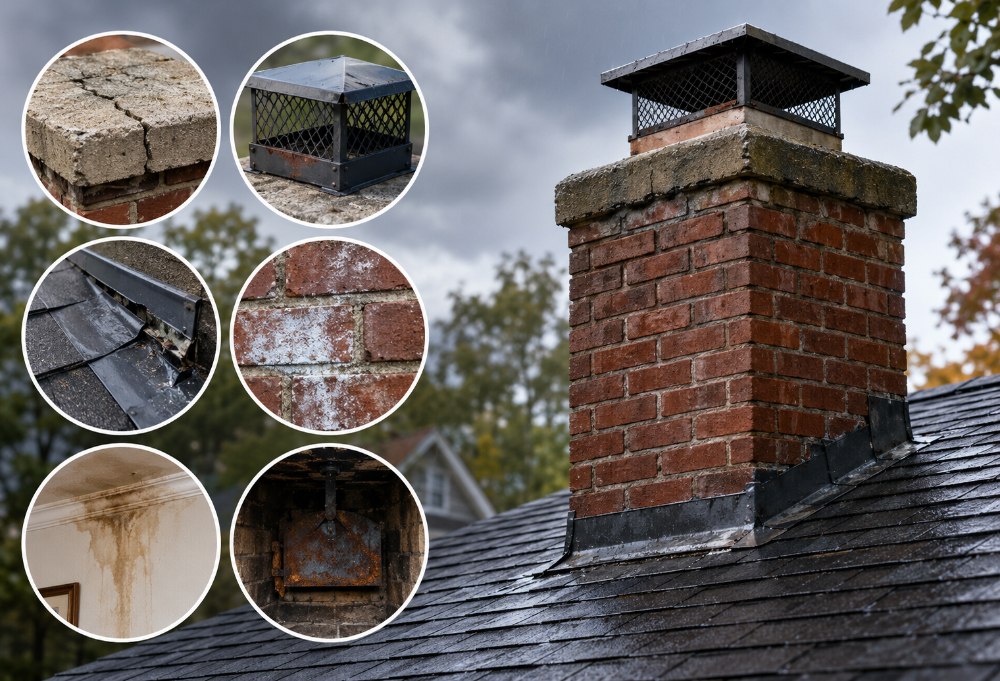
Over time, even a well-built chimney starts to break down if it’s not properly sealed and maintained. The mortar joints crack. The crown develops hairline fractures. The flashing separates from the roofline. And once any of those entry points open up, water finds its way in.
The Most Common Causes of Chimney Leaks
We see the same problems again and again when it comes to chimney leak repair, and understanding them is the first step toward fixing things the right way.
A cracked chimney crown is one of the biggest culprits. The crown is the concrete or mortar cap that sits at the very top of your chimney, sealing the space between the flue liner and the outer edge. When it cracks, rainwater runs straight down into the chimney structure.
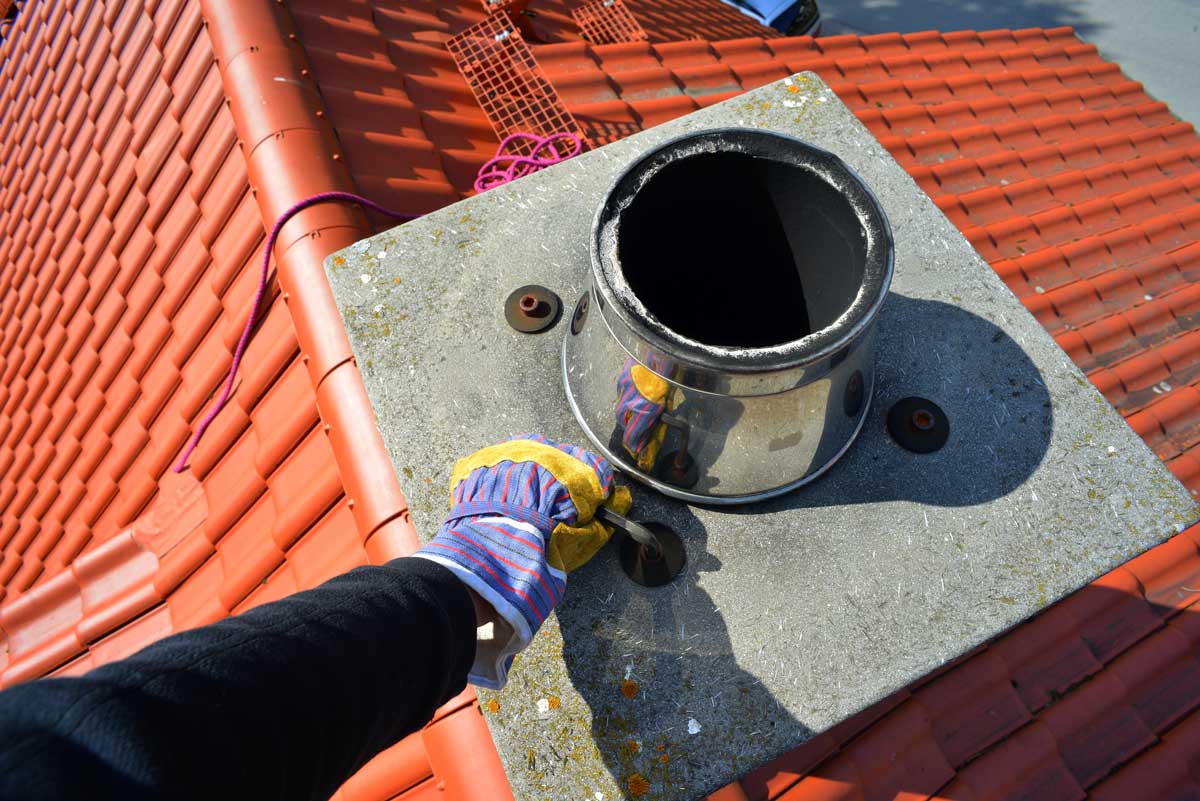
Missing or damaged chimney caps are another frequent offender. The cap sits over the flue opening and keeps rain, debris, and animals out. Without one, your chimney is essentially an open hole in your roof.
Failed flashing at the roofline is responsible for a huge number of water intrusion calls. Flashing is the metal seal that connects your chimney to your roof, and when it pulls away or corrodes, water pours in right where the two surfaces meet.
Porous brick absorbing water is a subtler issue, but just as damaging. Brick looks solid, but it’s actually highly absorbent. Without a proper waterproof sealant applied to the masonry, bricks soak up moisture with every rainfall.
Finally, an open flue with no protection invites not just water but also animals, leaves, and debris that can block airflow and create fire hazards.
It doesn’t take much. Just a small crack can let water in, and once it’s in, it spreads.
Signs You Might Have a Leak
One of the trickiest parts of leaking chimney repair is that the damage isn’t always obvious right away. By the time you notice something, the water has often already been working its way through your chimney for months.
Water stains on walls or ceilings near the fireplace are a clear warning sign. So is a musty smell coming from the firebox, which usually indicates mold or mildew growing somewhere inside the system. Rust on the damper or firebox components tells you moisture has been sitting inside the chimney long enough to cause metal corrosion. Dripping sounds after rain are impossible to ignore once they start. And white staining on the brick, known as efflorescence, is a visible sign that water is moving through the masonry and pulling minerals to the surface.
A lot of homeowners ignore these early signs, thinking it’s minor. It’s not.
What Happens If You Don’t Fix It
Water damage builds slowly, but it hits hard. When chimney leaks go unaddressed, the consequences stack up quickly.
The flue liner, which is designed to contain heat and combustion gases safely, deteriorates when exposed to moisture over time. A damaged flue liner is not just a structural problem; it’s a safety hazard. Firebox damage follows, as repeated moisture exposure breaks down the firebrick and mortar inside. Mold growth becomes a serious concern, especially in the walls and ceiling areas surrounding the fireplace. Structural weakening of the chimney can eventually make it unstable. Interior drywall damage often extends far beyond the fireplace itself, spreading to adjacent rooms.
What could have been a $250 seal job turns into a $5,000 or more rebuild. That math is hard to ignore.
How We Fix Chimney Leaks the Right Way
There’s no one-size-fits-all solution when it comes to chimney leak repair. Every chimney is different, and a proper diagnosis needs to come before any repairs begin. That said, a thorough repair usually includes a combination of the following approaches.
Crown sealing or rebuilding addresses cracks or deterioration at the top of the chimney. Installing a stainless steel chimney cap closes off the flue opening and protects against rain and debris. Repairing flashing restores the waterproof seal between the chimney and the roof surface. Applying waterproofing to masonry creates a breathable barrier that repels water without trapping moisture inside the brick. Sealing cracks and joints throughout the chimney structure closes off any remaining entry points.
Done right, these repairs can add years, sometimes decades, to the life of your chimney.
Prevention Is the Old-School Way
The best approach is still the simplest. Annual inspections catch small problems before they become expensive ones. Sealing small cracks early, before they widen through freeze-thaw cycles, is far cheaper than waiting. Keeping a proper chimney cap installed year-round is basic but essential protection. Addressing issues before winter means you’re not scrambling to schedule repairs when every chimney professional in the area is fully booked.
It’s the kind of routine maintenance that keeps bigger problems off your plate.
Local Experience Matters
Not every chimney faces the same conditions. Coastal homes in Ventura and Santa Barbara deal with salt air and moisture that accelerate corrosion and deterioration in ways that inland homes simply don’t experience. Inland areas, on the other hand, see more dramatic temperature swings between seasons, which puts extra stress on mortar joints and crowns as materials expand and contract repeatedly.
Different environments, but the same principle: keep water out.
A chimney contractor with local experience understands these regional differences and knows how to choose the right materials and sealing methods for your specific climate. Generic solutions don’t always hold up in areas with unique weather conditions, which is why working with someone who knows your area matters more than most homeowners realize.
Conclusion
Chimney leaks rarely announce themselves loudly. They work quietly, slowly, and expensively behind walls and inside masonry until the damage is impossible to ignore. If you’ve noticed any signs of a leak, or just want peace of mind, it’s worth having it looked at before the next rain hits. A small investment in chimney leak repair today is almost always far less painful than the leaking chimney repair bill waiting on the other side of a neglected problem.
Need Chimney Caps & Full-Service Chimney Care Near You?
Keep your home safe and cozy with our expert team at The Chimney Cleaner Inc.! From professional chimney cleaning and detailed inspections to fireplace restorations and custom mantles, we’re dedicated to ensuring your chimney and fireplace work safely and efficiently. Whether you need reliable sweeping, gas line installation, or chimney stack remodeling, we’ve got you covered throughout Ventura County and beyond. Give us a call today; we’re ready to help you enjoy the warmth and peace of mind you deserve!
If you have a fireplace, your chimney is exposed to rain, wind, debris, and animals every day. Many homeowners do not think about their chimney cap until water starts leaking into the fireplace or birds find their way inside. In areas with seasonal storms, temperature swings, and prolonged sun exposure, the right chimney cap can prevent costly chimney damage before it starts.
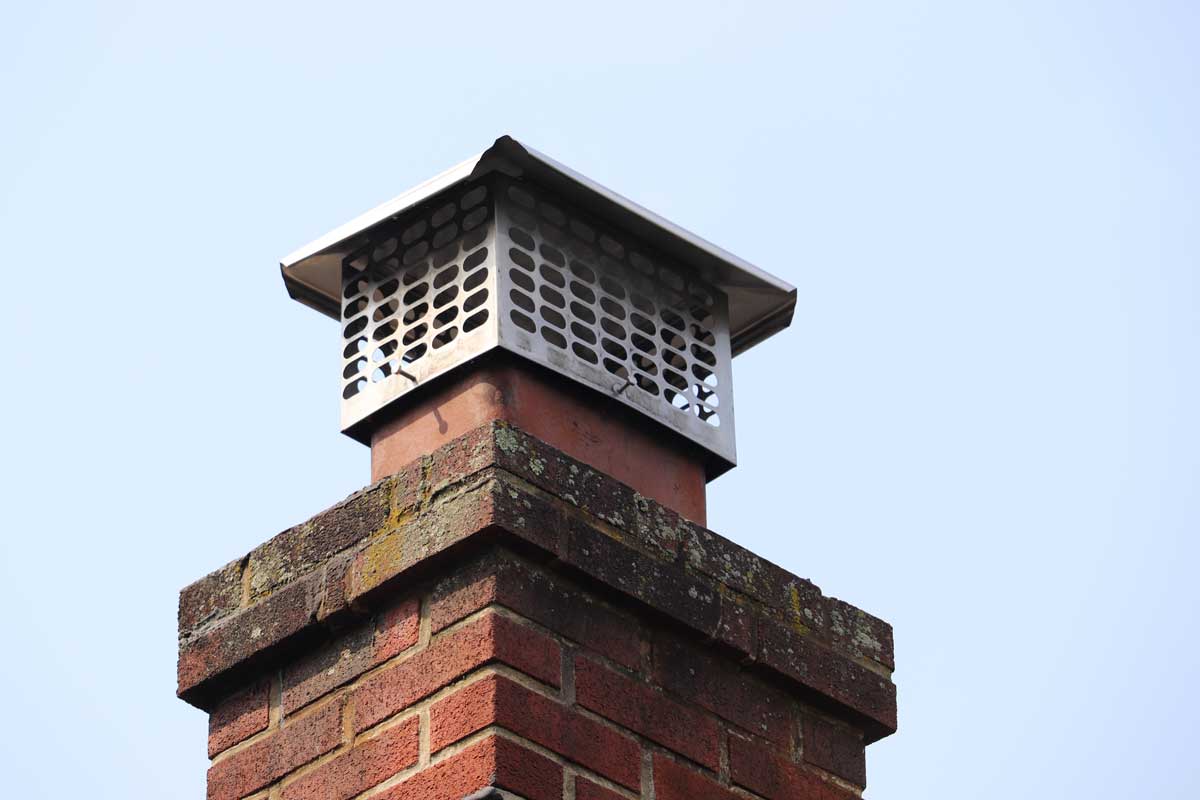
Stainless steel chimney caps are worth the investment because they provide long-term protection against water intrusion, animal entry, debris buildup, and premature chimney deterioration. While they often cost more upfront than galvanized steel or lower-grade materials, their durability and resistance to rust make them one of the most cost-effective chimney upgrades for homeowners planning to keep their fireplace in good condition.
What Homeowners Should Know About Stainless Steel Chimney Caps
Stainless steel is widely considered the best chimney cap material because it resists rust and corrosion far better than many alternatives.
A quality chimney cap helps prevent water from entering the chimney system, which can damage masonry, liners, dampers, and fireplaces.
Chimney cap replacement is often less expensive than repairing water damage caused by an uncovered or deteriorated chimney.
Stainless steel caps typically last significantly longer than galvanized steel options in demanding weather conditions.
Homeowners considering a new fireplace or chimney upgrade should include a durable chimney cap in their long-term maintenance plan.
Why Chimney Caps Matter for Local Homes
Chimney caps serve as the first line of defense against outside elements. Whether a home has a traditional masonry fireplace, a prefabricated fireplace system, or a wood-burning stove vent, the chimney opening is vulnerable without proper protection.
Weather conditions can be particularly hard on chimney systems. Rain, wind-driven moisture, leaves, twigs, and nesting animals can all create problems that shorten the life of the chimney. Even a small amount of repeated water intrusion can lead to expensive repairs over time.
At R. Horne Hearth and Home, we frequently see chimney issues that could have been prevented with a properly installed, high-quality chimney cap.
Stainless steel chimney caps offer long-term protection against moisture, animals, and debris. They generally outlast many alternative materials because they resist rust and corrosion. Investing in a quality cap can help reduce maintenance needs and extend the lifespan of the entire chimney system.
Chimney Protection Facts Every Homeowner Should Know
Water is one of the leading causes of chimney deterioration.
Animals frequently enter uncapped chimneys in search of shelter.
Debris buildup can restrict airflow and create ventilation concerns.
Chimney cap replacement is often far less costly than repairing extensive chimney damage.
Stainless steel remains one of the most durable materials available for chimney cap construction.
If you are evaluating the condition of your existing chimney cap or considering a new fireplace installation, learning about material options is an important first step. For personalized recommendations, contact R. Horne Hearth and Home.
Stainless steel chimney caps consistently perform well in a variety of weather conditions because they are designed to resist corrosion and maintain structural integrity over time. Industry manufacturers and chimney professionals commonly recommend stainless steel when longevity is a priority.
In our experience, homeowners often discover chimney cap issues only after noticing water stains, unpleasant odors, or animal activity. By that point, damage may already be occurring inside the chimney system.
How a Poor Chimney Cap Impacts Your Home
A failing chimney cap can allow moisture, animals, and debris to enter the chimney system. These issues can contribute to masonry deterioration, liner damage, blockages, and reduced fireplace performance.
Water intrusion is particularly concerning because moisture can affect multiple components at once. Over time, this may result in repairs that cost substantially more than replacing the cap itself.
Expert Commentary
Stainless steel chimney caps are often selected because they provide a balance of durability, performance, and long-term value. While lower-cost materials may appear attractive initially, they frequently require earlier replacement due to rust and weather-related deterioration.
We recommend homeowners think of a chimney cap as protective roofing for the chimney. Investing in a durable material now can help prevent larger expenses later.
Warning Signs Your Chimney Cap May Need Replacement
A chimney cap may need replacement if you notice visible deterioration, water intrusion, or signs of animal activity. These symptoms often indicate that the cap is no longer providing adequate protection.
Common warning signs include:
Rust or corrosion on the cap
Missing sections or loose components
Water stains near the fireplace
Animal noises coming from the chimney
Debris falling into the firebox
Excessive downdrafts
Visible damage after storms
Ignoring these signs can allow damage to spread throughout the chimney system.
When to Call a Professional
You should call a professional when a chimney cap shows visible damage, allows water intrusion, or appears improperly fitted. Professional inspection is also recommended if you are unsure whether your current cap adequately protects the chimney.
Homeowners can visually inspect a cap from the ground, but climbing onto a roof presents safety risks and may not reveal hidden damage. A professional evaluation helps ensure the entire chimney system is functioning properly.
If you suspect your chimney cap is failing, now is a good time to have the system inspected before small issues become major repairs.
Chimney cap failure is most often caused by corrosion, weather exposure, poor installation, or physical damage. Understanding these causes can help homeowners make better material choices.
Common causes include:
Rust and corrosion from prolonged exposure to moisture.
Inferior materials that deteriorate quickly.
Storm damage from wind or falling debris.
Improper installation.
Lack of routine chimney inspections.
Choosing stainless steel can significantly reduce the risk associated with corrosion-related failures.
How to Prevent Chimney Cap Problems
Preventing chimney cap problems starts with selecting a durable material and maintaining the chimney system regularly. Routine inspections help identify small issues before they become costly repairs.
Homeowners can help by:
Scheduling regular chimney inspections.
Removing overhanging branches near the chimney.
Watching for signs of water intrusion.
Addressing damage promptly.
Choosing stainless steel during chimney cap replacement projects.
What Results Can You Expect From a Stainless Steel Chimney Cap?
A stainless steel chimney cap can improve chimney protection, reduce maintenance concerns, and extend the life of key chimney components. While no product eliminates all maintenance requirements, stainless steel typically provides reliable long-term performance.
Many homeowners experience fewer moisture-related issues, reduced animal intrusion, and longer intervals between replacements compared with lower-grade materials.
Expert Insight
A chimney cap is one of the smallest components of a chimney system, but it performs one of the most important protective functions. Replacing a failing cap before major damage occurs is often one of the smartest preventive maintenance decisions a homeowner can make.
Common Mistakes Homeowners Make
Mistake: Choosing the lowest-cost cap available.
Consequence: Earlier replacement and increased risk of corrosion.
Better approach: Evaluate lifespan and durability, not just purchase price.
Mistake: Ignoring minor rust.
Consequence: Progressive deterioration and reduced protection.
Better approach: Schedule an inspection when corrosion first appears.
Mistake: Delaying chimney cap replacement.
Consequence: Water and debris enter the chimney.
Better approach: Replace damaged caps promptly.
A Common Homeowner Scenario
A common local scenario involves a homeowner noticing a musty smell after rainstorms. Upon inspection, the chimney cap is found to be rusted and partially detached. Water has been entering the chimney for months.
Replacing the damaged cap with a stainless steel model helps stop further moisture intrusion and protects the chimney from additional deterioration. While every situation is different, this illustrates how a relatively small component can prevent larger repair costs.
Related Service Solutions
Chimney cap replacement is one of the most effective services for protecting a chimney from weather-related damage. Additional services may include chimney inspections, chimney repairs, fireplace maintenance, and system upgrades.
We often recommend evaluating the entire chimney system during a cap replacement project to ensure all components are working together properly.
If you are considering chimney cap replacement or evaluating the best chimney cap material for your fireplace, our team can help you understand your options.
Stainless steel chimney caps generally offer greater durability than galvanized steel options. While galvanized steel may cost less initially, it is more susceptible to rust over time.
For homeowners seeking long-term value, stainless steel is frequently the preferred choice. The higher upfront investment often translates into fewer replacements and lower maintenance costs over the life of the chimney.
The Cost of Ignoring Chimney Cap Problems
Ignoring chimney cap problems can lead to water damage, masonry deterioration, animal intrusion, and more extensive chimney repairs. What begins as a small maintenance issue can develop into a larger restoration project.
Prompt action often helps preserve the condition of the chimney and reduce future repair expenses.
If you suspect your chimney cap is damaged, addressing the issue sooner rather than later may help prevent avoidable repairs.
Stainless steel is widely considered the best chimney cap material because it offers excellent resistance to rust, corrosion, and weather-related deterioration while providing long-lasting protection.
How long does a stainless steel chimney cap last?
A stainless steel chimney cap can last many years when properly installed and maintained. Actual lifespan depends on environmental conditions and overall chimney maintenance.
When should I consider chimney cap replacement?
You should consider chimney cap replacement if the cap is rusted, damaged, missing, loose, or allowing water and debris into the chimney.
Are stainless steel chimney caps worth the extra cost?
Yes, many homeowners find stainless steel chimney caps worth the additional cost because they typically last longer and require less replacement than lower-grade materials.
Can a chimney cap prevent animals from entering my chimney?
Yes, a properly installed chimney cap with screening can help prevent birds, squirrels, raccoons, and other animals from entering the chimney.
Can I replace a chimney cap myself?
Some homeowners attempt DIY replacement, but professional installation helps ensure proper fit, secure attachment, and safe roof access.
Closing Statement
A quality chimney cap plays a critical role in protecting your fireplace and chimney system. Choosing stainless steel can provide long-term durability, reduce maintenance concerns, and help safeguard your investment for years to come.
Protect Your Chimney Before Small Problems Become Expensive Repairs
Whether you need chimney cap replacement or want guidance on selecting the best chimney cap material, we’re here to help you understand your options and make an informed decision.
As the final days of winter fade and your fireplace or heating stove settles into seasonal rest, spring becomes the perfect time to focus on post heating season chimney care. Months of steady use leave creosote, soot, and debris inside the flue, and these residues do not simply disappear once temperatures rise. Instead, they remain in place and can create problems long after you stop using your heating system. Spring chimney cleaning helps prevent deterioration, reduces fire risks for the next cold season, and supports the long term health of your home.
One of the biggest advantages of spring cleaning is that it gives homeowners a clear start. Instead of waiting until fall when chimney professionals are booked solid, you can inspect, clean, and repair the system during a slower season. This proactive mindset aligns perfectly with seasonal chimney maintenance because it minimizes stress and allows plenty of time to address issues. When fall arrives and temperatures drop, your chimney will already be ready for safe use, giving you peace of mind and one less task on your seasonal checklist.
Creosote buildup remains one of the most common chimney hazards. When wood or pellets burn, they produce a vapor that cools along the chimney walls and condenses into a sticky residue. By spring, this residue may reach dangerous levels depending on how often your heating system was used. If ignored, creosote can harden into a tar-like substance that is far more difficult to remove. A thorough cleaning directly after the heating season keeps buildup manageable and reduces the need for more aggressive cleaning methods.
Identifying Damage After the Heating Season
Winter weather puts stress on every part of a home, and the chimney is no exception. Your flue, masonry, flashing, and crown all endure repeated cycles of freezing and thawing. These temperature swings can cause cracks, gaps, and deterioration that worsen over time if they are not carefully inspected and repaired. Once the heating season ends and the chimney cools down, these issues become easier to identify during a spring assessment.
Moisture is one of the biggest threats to chimney structures. Even small cracks can allow water to seep into the masonry. As temperatures fluctuate, that water expands and contracts, leading to more extensive damage. Spring is the best season to address this because the freeze cycle is coming to an end and repairs can cure properly in mild weather. Thorough inspections are central to post heating season chimney care because they help catch small issues before they turn into structural failures.
In addition to masonry concerns, spring is a prime time to examine the chimney cap and flashing. Winter storms can loosen or dislodge these components, which can lead to leaks that spread into the attic or walls. A damaged chimney cap can also allow animals or debris to enter the flue. Birds in particular love building nests during early spring, turning an unprotected chimney into a convenient home. Inspecting these areas and repairing any damage keeps your chimney efficient and safe.
Advantages of Cleaning Before Humidity Rises
Spring cleaning is especially beneficial because humidity levels increase as the weather warms. When soot and creosote absorb moisture, they produce an unpleasant odor that can drift into your home. Homeowners often notice this smell during humid days, even if the fireplace has not been used for months. A clean chimney greatly reduces this issue and helps maintain fresh indoor air throughout spring and summer.
Moisture combined with creosote does more than create odors. It can also accelerate corrosion inside metal flue liners. Rust is a silent problem that often goes unnoticed until serious damage has already occurred. Addressing residues through seasonal chimney maintenance significantly reduces the risk of internal decay that could shorten the lifespan of your chimney system.
Another advantage of spring cleaning is that professional chimney sweeps have greater availability. Many homeowners wait until fall, which creates demand spikes. Scheduling during spring is faster, often more convenient, and gives you access to more flexible appointment times. This smoother process saves time and allows you to take care of chimney upkeep well before the busy season begins.
Preparing Your Home for Next Winter
Although spring may feel too early to think about winter, this is exactly when preparation is most effective. When you plan ahead, you avoid the stress and delays that accompany fall maintenance. A clean and inspected chimney ensures that the moment cold weather returns, you can safely enjoy your fireplace or stove without worrying about hidden hazards.
An important part of preparation is reviewing how your heating system performed over the previous season. If you noticed smoke backing up into the home, difficulty starting fires, or reduced draft, spring is the time to investigate these issues. Problems with airflow can stem from creosote buildup, flue blockages, or damage that restricts ventilation. Addressing these concerns early supports better efficiency and safety in the coming winter.
Homeowners who use wood stoves or pellet stoves can also evaluate whether their fuel choices contributed to faster creosote buildup. Burning greener or unseasoned wood, for example, creates more moisture and residue. By recognizing these patterns now, you can adjust your fuel selection for the next season. This simple adjustment is an often overlooked part of post heating season chimney care that can make a meaningful difference in performance.
Maintaining a Healthy Home Environment
A clean chimney is not just about safety and efficiency. It also plays an important role in maintaining good indoor air quality. Soot, ash, and creosote residues can emit lingering odors, irritate respiratory conditions, and allow contaminants to drift into living spaces. Spring cleaning reduces these risks and contributes to a healthier home environment through the warmer months.
In some cases, animals may have entered the chimney during the winter. Nests, droppings, or even trapped pests can create health concerns and obstruct the flue. Identifying and removing these issues in spring prevents unpleasant surprises later in the year. Regular seasonal chimney maintenance ensures that your home remains clean and safe, even when your heating system is not in active use.
Spring also presents a good opportunity to think about long term chimney improvements. Homeowners may choose to install new liners, upgrade chimney caps, or invest in waterproofing treatments. These enhancements protect against moisture, improve efficiency, and extend chimney lifespan. Because spring weather is mild, it is an ideal season for repairs and upgrades that require time to cure or settle properly.
Conclusion
Spring is more than a transition into warmer weather. It is a strategic moment to focus on post heating season chimney care that protects your home, improves safety, and ensures long lasting performance. A thorough cleaning removes creosote and soot before humidity turns them into stubborn odors. A detailed inspection identifies winter related damage while repairs remain manageable. Planning ahead reduces stress and guarantees that your home will be ready when the next cold season arrives.
Seasonal chimney maintenance is a habit that pays off year after year. By tending to your chimney in spring, you safeguard your investment, enhance home comfort, and avoid rush season delays. Whether you rely on a wood burning fireplace, pellet stove, or traditional masonry chimney, spring cleaning is one of the most valuable steps you can take to protect your home and maintain a healthy living environment.
Need Chimney Caps & Full-Service Chimney Care Near You?
Keep your home safe and cozy with our expert team at The Chimney Cleaner Inc.! From professional chimney cleaning and detailed inspections to fireplace restorations and custom mantles, we’re dedicated to ensuring your chimney and fireplace work safely and efficiently. Whether you need reliable sweeping, gas line installation, or chimney stack remodeling, we’ve got you covered throughout Ventura County and beyond. Give us a call today; we’re ready to help you enjoy the warmth and peace of mind you deserve!
Chimneys may seem like simple vertical structures, but they are intricate systems with a series of carefully designed parts that work together to keep your home safe, comfortable, and efficient. Understanding the function and importance of each component can help homeowners make informed decisions about maintenance, repair, and upgrades. Whether you have a wood-burning fireplace or a gas appliance, the integrity of your chimney system directly impacts its performance and safety.
Below, we will break down the essential chimney components, explain their roles, and explore how each part contributes to the overall system. Every detail matters, and neglecting even one element can lead to serious consequences such as fire hazards, poor ventilation, or costly damage.
The Anatomy of a Chimney: A Closer Look at Its Components
To fully grasp the significance of the chimney as a system, we must first understand the major parts of a chimney. At a glance, most people only see the brick or stone stack rising from the roofline, but beneath the surface lies a more complex assembly.
Starting at the bottom, the firebox is where combustion takes place. It’s typically lined with firebricks that can withstand high temperatures. Just above it sits the throat, which leads to the smoke chamber. The smoke chamber tapers upward to channel smoke and gases into the flue, a vertical shaft that carries exhaust out of the home.
Inside the flue is the flue liner, often made of clay tiles or stainless steel, which protects the chimney walls and improves draft. Topping it off, the chimney crown or chase cover (depending on masonry or prefabricated construction) shields the top of the chimney from weather, while the cap prevents animals and debris from entering.
These are just some of the critical chimney components. Each one performs a specific function, and together they ensure your fireplace or heating appliance operates as it should.
The Role of the Flue and Flue Liner
Perhaps one of the most crucial parts of a chimney is the flue. This vertical passage is responsible for directing combustion byproducts, like smoke, gases, and particulates, safely out of the house. Without a properly functioning flue, dangerous substances like carbon monoxide could leak into your living space.
The flue liner, which sits inside the flue, serves as a protective barrier. It guards the masonry from the corrosive effects of soot and creosote and helps maintain the necessary temperature for an efficient draft. A liner can also improve safety by containing any potential chimney fires within the flue, preventing flames from spreading to the surrounding structure.
Flue liners can degrade over time due to heat, moisture, and chemical exposure. Cracked or deteriorated liners can compromise the entire system. That’s why inspections are so important. A damaged liner should be repaired or replaced promptly to maintain chimney integrity.
Chimney Caps, Crowns, and Dampers: Protection and Control
The uppermost parts of a chimney might seem secondary, but they serve essential functions. The chimney crown (in masonry chimneys) or chase cover (in metal chimneys) acts like a roof over the chimney structure. It slopes outward to shed water and prevent it from seeping into the masonry. Moisture is a chimney’s worst enemy, leading to cracks, spalling, and rust.
Chimney caps sit above the crown and are typically made of metal mesh and a solid top. They keep out rain, snow, animals, and debris while still allowing exhaust to vent. A cap also helps prevent downdrafts, which can cause smoke to re-enter your home.
Further down the system, dampers provide control. A throat damper is located just above the firebox and can be opened or closed to allow smoke to escape or to seal off the chimney when not in use. Some systems use top-sealing dampers, installed at the flue’s exit, which offer better insulation and moisture protection when closed.
These protective and control elements might be small compared to the entire chimney structure, but they significantly influence performance, safety, and durability.
Masonry, Flashing, and the Importance of Weather Resistance
The visible exterior of your chimney is often made of brick, stone, or concrete block. While it may appear purely decorative, this masonry shell is critical for structural support and protection. Unfortunately, masonry is porous and vulnerable to moisture damage, especially in colder climates where freeze-thaw cycles cause expansion and contraction.
Flashing is the metal barrier that seals the gap between the chimney and the roof. It’s often made of aluminum, copper, or galvanized steel. Flashing prevents water from seeping into your home at the chimney’s base. When flashing is damaged or improperly installed, it can lead to leaks, mold growth, and wood rot.
Waterproofing treatments and regular inspections can help extend the life of both masonry and flashing. Protecting the chimney’s exterior is just as vital as maintaining the inside components because moisture intrusion can undermine the entire structure over time.
Chimney Maintenance: Why Every Part Deserves Attention
Maintaining a chimney is not just about cleaning the flue or removing creosote. It’s about treating the chimney as a complete system, where every element must be intact and functional. When one part fails, it can create a domino effect. For instance, a missing chimney cap might allow water into the flue, which then damages the liner. A cracked liner can reduce draft and expose the masonry to high heat, eventually compromising the smoke chamber or firebox.
Regular inspections by a certified chimney professional are key. These inspections can reveal hidden problems like flue blockages, structural cracks, rusted dampers, or worn-out flashing. Preventive maintenance can save homeowners from expensive repairs and ensure safe operation year-round.
Upgrading components can also make a significant difference. Installing a top-sealing damper, replacing a deteriorated liner, or waterproofing the masonry can all extend the chimney’s life and improve efficiency. Addressing each part proactively reinforces the entire system’s reliability.
Conclusion
A chimney is far more than a simple passage for smoke. It is a complex system composed of multiple interconnected parts, each playing a vital role in ensuring safety, performance, and longevity. Understanding the chimney components and their functions allows homeowners to take better care of their fireplaces and heating systems.
From the firebox to the flue, from the chimney cap to the flashing, every part of a chimney contributes to its effectiveness. Ignoring even a minor component can lead to serious issues, but attentive maintenance and informed upgrades can keep your chimney working safely for decades.
Investing time and care into each part of your chimney system is not just a matter of comfort; it is a commitment to the safety and well-being of your home. Recognize that every part matters and treat your chimney as the complete system it truly is.
Need Chimney Caps & Full-Service Chimney Care Near You?
Keep your home safe and cozy with our expert team at The Chimney Cleaner Inc.! From professional chimney cleaning and detailed inspections to fireplace restorations and custom mantles, we’re dedicated to ensuring your chimney and fireplace work safely and efficiently. Whether you need reliable sweeping, gas line installation, or chimney stack remodeling, we’ve got you covered throughout Ventura County and beyond. Give us a call today; we’re ready to help you enjoy the warmth and peace of mind you deserve!