

Is Your Chimney Ready for Winter Rain? Chimney Cap, Crown, and Leak Repairs for Ventura and Ojai Homes
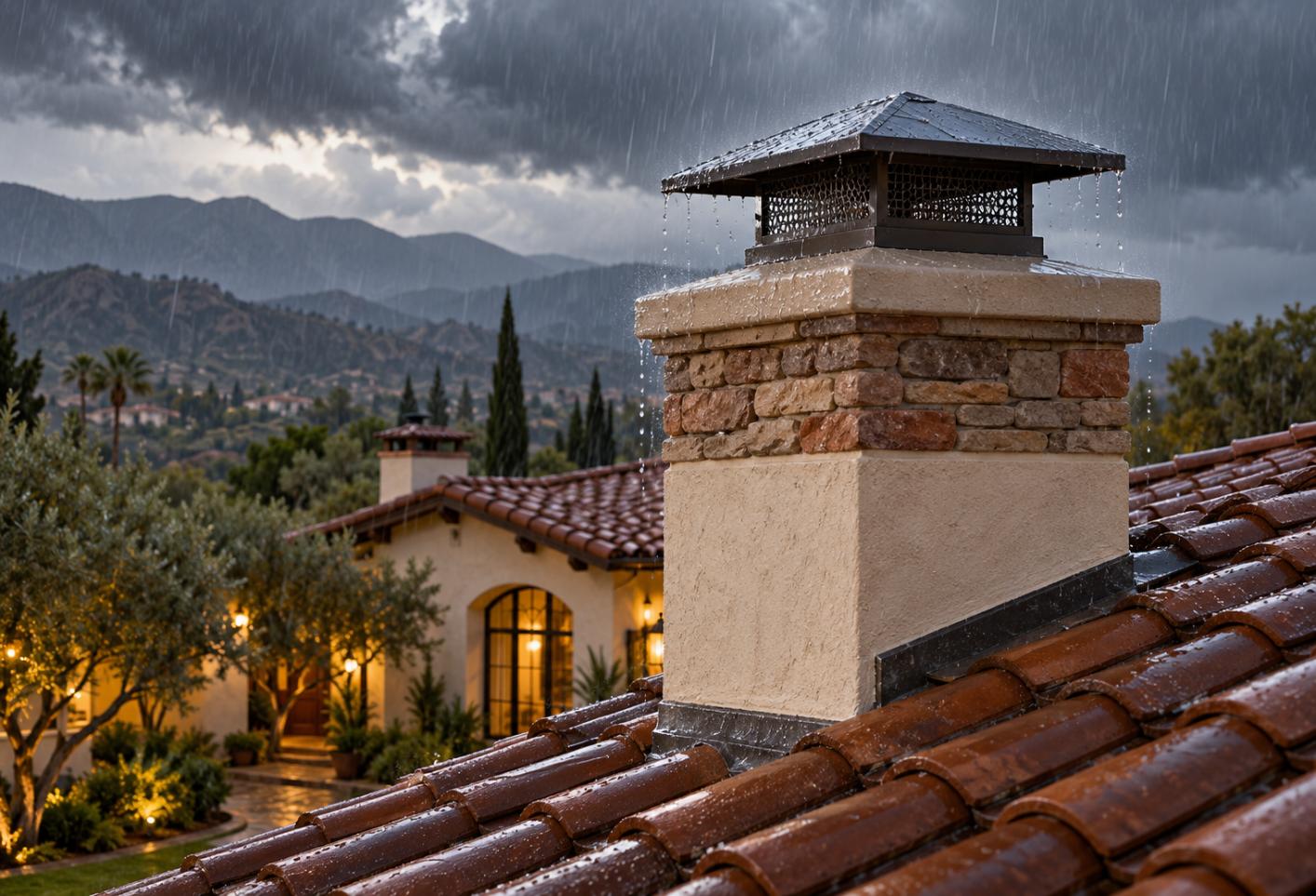
When the first winter storms roll into Ventura and Ojai, homeowners often discover chimney problems that went unnoticed during the dry summer months. A small crack in the chimney crown, a missing rain cap, or deteriorating flashing can allow water to enter the chimney and surrounding structure.
Preparing your chimney before the rainy season can help prevent moisture damage, protect your fireplace system, and reduce the likelihood of expensive repairs.
Quick answer: Your chimney is ready for winter rain when its cap, crown, flashing, and masonry are in good condition and properly protected against water intrusion. A chimney cap helps keep rain out of the flue, while the crown directs water away from the masonry. Flashing protects the connection between the chimney and roof. For Ventura and Ojai homeowners, inspecting these components before seasonal storms is one of the most practical ways to prevent chimney leaks.
What local homeowners should know
-
Chimney leaks can develop during Ventura County’s dry months but may not become visible until winter rainfall begins.
-
Homes in coastal neighborhoods such as Pierpont and Midtown Ventura can experience marine moisture exposure that contributes to corrosion of unprotected metal components.
-
Ojai’s hot summers and cooler winter conditions can contribute to the expansion and contraction of chimney materials.
-
A missing chimney cap, cracked crown, or damaged flashing can allow water into different parts of the chimney system.
-
Early chimney maintenance can reduce moisture intrusion and help homeowners avoid more extensive masonry or interior repairs.
Why this matters locally
Ventura County experiences a distinct wet season following months of relatively dry weather. Properties near the coast face different exposure conditions than homes in the Ojai Valley, where warm summers and seasonal temperature changes can affect masonry.
When rain arrives, water can exploit small openings that formed months earlier.
At R. Horne Hearth and Home, we help homeowners address chimney problems through inspections, chimney cap installation, crown repairs, flashing work, and masonry services. Identifying the actual source of moisture is essential before choosing the appropriate repair.
Local Data and Seasonal Weather Conditions
Winter chimney preparation is particularly important in the Ojai Valley because most local precipitation arrives between October and April, according to the City of Ojai. This concentrated rainy season means chimney components may remain relatively dry for months before being exposed to repeated rainfall and occasional heavy storms.
The City of Ojai reports that downtown typically receives approximately 20 inches of precipitation in an average year, although annual totals vary.
Along the Ventura coastline, moisture exposure can also occur outside major rainstorms because of coastal humidity and marine air.
The Chimney Safety Institute of America identifies chimney caps, properly maintained crowns, flashing, and appropriate masonry waterproofing as important measures for reducing water penetration.
These conditions make fall a sensible time for chimney inspections throughout the region.
How Chimney Leaks Affect Ventura and Ojai Homes
Chimney leaks can damage fireplaces, masonry, ceilings, and nearby structural materials when water enters through deteriorated components. In Ventura and Ojai homes, moisture problems may begin at the exposed chimney top or roofline and remain hidden until staining, rust, or interior deterioration becomes visible.
Common consequences include:
-
Rusted dampers and other metal fireplace components.
-
Deteriorating mortar joints and damaged brickwork.
-
Water stains on ceilings or walls near the chimney.
-
Moisture damage around the fireplace opening.
-
Damage to chimney liners or other internal components.
For homeowners with older masonry fireplaces, water penetration can gradually weaken materials that have already experienced years of seasonal exposure.
Addressing a leak early can help limit the amount of surrounding material that needs repair.
Warning Signs Your Chimney Needs Attention
The clearest warning signs of chimney water damage are visible moisture, rust, masonry deterioration, and staining near the fireplace or roofline. Ventura County homeowners should pay particular attention to these conditions after the first significant rainfall, especially when the chimney has not been inspected recently.
Watch for these seven signs:
-
Water inside the fireplace: Dripping, puddles, or damp firebox surfaces may indicate rain entering the chimney.
-
Rust on the damper: Corrosion can signal repeated moisture exposure inside the flue.
-
White staining on bricks: Efflorescence can appear when moisture carries dissolved salts through masonry.
-
Cracked chimney crown: Visible cracks may allow water to enter the masonry below.
-
Missing or damaged chimney cap: An exposed flue opening is more vulnerable to direct rainfall.
-
Ceiling stains near the chimney: Discoloration may indicate flashing problems or another roofline leak.
-
Musty fireplace odors: Persistent damp odors after rain can indicate trapped moisture.
Not every symptom confirms a chimney leak. A professional inspection can help distinguish chimney problems from nearby roof or drainage issues.
When to Call a Professional for Chimney Leak Repairs
A professional chimney inspection is appropriate when homeowners notice active leaks, loose chimney components, damaged masonry, or recurring moisture stains. Because chimney repairs often involve elevated roof access and fireplace venting components, determining the source and extent of the problem generally requires specialized inspection.
For homes in Ventura and Ojai, we recommend seeking professional assistance when water appears inside the firebox, rust develops on metal components, or cracks become visible near the chimney top.
Homeowners can safely document damage from the ground and photograph interior stains.
Avoid climbing onto the roof or attempting to seal chimney openings without knowing how the system vents combustion gases.
If water damage may have affected the flue or liner, avoid using the fireplace until its condition has been evaluated.
Common Causes of Chimney Leaks in Ventura County
The most common chimney leak sources include missing caps, cracked crowns, deteriorated flashing, and damaged masonry. In Ventura County, coastal exposure, seasonal rainfall, wind, and changes in temperature can contribute to the deterioration of these components over time.
1. Missing or damaged chimney caps
A chimney cap sits above the flue opening and helps prevent rain from entering directly. Properly fitted caps can also limit debris and animal entry without obstructing ventilation.
Wind exposure and corrosion can damage cap components or loosen their attachments.
2. Cracked chimney crowns
The chimney crown covers the top of a masonry chimney around the flue opening.
In Ojai, seasonal temperature changes and weather exposure can contribute to developing cracks. Once water penetrates the crown, moisture may reach the underlying masonry.
3. Deteriorating chimney flashing
Flashing is the metal weatherproofing system where the chimney meets the roof.
Damaged, improperly installed, or separated flashing can allow rainwater into the attic, walls, and ceilings.
4. Worn brick and mortar joints
Older masonry chimneys may develop open mortar joints or cracked bricks.
Repeated exposure to moisture can worsen existing deterioration, particularly when repairs have been delayed.
Prevention and Maintenance Before Winter Rain
The best approach to preventing chimney leaks is to inspect exposed components before the wet season and repair developing defects before water enters the structure. For Ventura and Ojai homeowners, early fall is an ideal opportunity to address chimney conditions that may have changed during summer.
A practical maintenance routine includes checking for visible cap damage from the ground, watching for masonry cracks, and reviewing previous water stains.
Professional chimney maintenance may include inspecting the crown, verifying that the cap is secure and correctly sized, assessing flashing, and evaluating mortar joints.
Where appropriate, breathable masonry water-repellent treatments may help limit water absorption. These products must be compatible with the chimney materials and should not trap moisture inside the masonry.
Annual chimney inspections also provide an opportunity to identify venting and safety concerns unrelated to rain.
What to Expect From Chimney Cap, Crown, and Leak Repairs
Effective chimney repairs should address the identified path of water intrusion while preserving proper fireplace ventilation and chimney function. The expected result depends on whether the problem involves an exposed flue, cracked crown, damaged flashing, deteriorated masonry, or multiple contributing conditions.
A correctly fitted replacement cap can help prevent direct rain entry.
Crown repair or rebuilding can restore water-shedding protection at the top of a masonry chimney.
Flashing replacement can improve the weatherproofing connection between the roof and chimney.
Homeowners should also understand that existing interior stains or damaged finishes may require separate restoration after the leak source is corrected.
Common Mistakes Homeowners Make With Chimney Leaks
The biggest chimney repair mistakes involve treating visible symptoms without identifying the actual water entry point. In Ventura County, this can lead to repeated leaks during successive storms and unnecessary repair expenses when damaged components remain unaddressed.
Mistake: Assuming every chimney leak needs a new cap.
Consequence: Water may continue entering through defective flashing or masonry.
Better approach: Inspect the cap, crown, flashing, and chimney structure before selecting a repair.
Mistake: Applying ordinary caulk to major crown cracks.
Consequence: A temporary surface patch may fail to address the underlying deterioration.
Better approach: Determine whether the crown needs an appropriate repair treatment or complete rebuilding.
Mistake: Waiting until the next rainy season.
Consequence: Additional moisture can increase damage to mortar, bricks, and interior finishes.
Better approach: Arrange an inspection when the first warning signs appear.
Common Local Scenario: A Chimney Leak After the First Winter Storm
A common local scenario involves an Ojai homeowner noticing water stains near the fireplace after the first substantial winter rainfall. The chimney appeared normal throughout summer, and there were no obvious problems during dry weather.
After the storm, dampness develops near the firebox.
Possible causes include an aging crown, a missing rain cap, or flashing that has separated from the roofline.
The appropriate response is to inspect the chimney and adjacent roofing, identify the moisture entry point, and determine whether repairs are needed.
This example illustrates a potential seasonal problem, not a specific customer project. The actual cause must be confirmed at the property.
Related Chimney Services That Help Prevent Water Damage
Chimney caps, crown repairs, masonry maintenance, flashing repairs, and professional inspections address different pathways for water intrusion. For Ventura and Ojai homeowners, choosing the appropriate service starts with understanding which component is damaged and whether additional chimney deterioration has occurred.
Our relevant service options include:
-
Chimney cap installation and replacement: Helps protect the flue opening from rain and debris.
-
Chimney crown repair and rebuilding: Addresses cracks or deterioration in the protective masonry top.
-
Chimney flashing replacement: Repairs the weatherproofing connection between the roof and chimney.
-
Masonry and mortar repairs: Restores deteriorated areas where moisture may penetrate.
-
Chimney inspections: Evaluates visible deterioration, leak sources, and fireplace safety concerns.
Repairs should be selected based on the chimney’s construction, existing condition, and observed damage.
Comparing Your Chimney Repair Options
The right chimney repair depends on the condition of the affected component rather than choosing the least expensive temporary solution. Some minor defects may be repairable, while extensive deterioration can require replacing a cap, rebuilding a crown, or correcting improperly installed flashing.
A targeted cap replacement may be sufficient when the rest of the chimney is sound.
A crown with limited surface deterioration may be suitable for repair, while severe cracking or structural failure may require rebuilding.
Temporary sealant applications should not replace properly designed flashing or masonry repairs.
Professional evaluation is especially valuable when multiple leak sources are possible or when water has reached the fireplace interior.
Chimney Repair Service Areas
Chimney inspections and moisture-related repairs are relevant throughout Ventura, Ojai, and surrounding Ventura County communities. We serve local homeowners in areas including Oak View, Meiners Oaks, and nearby communities where seasonal rainfall and property exposure can affect chimney condition.
Whether your home is near the Ventura coastline or in the foothills of the Ojai Valley, the goal is to identify developing problems before repeated rain causes additional damage.
The Cost of Ignoring a Chimney Leak
Ignoring a chimney leak can turn a localized repair into a larger moisture-damage problem involving masonry, fireplace components, or surrounding building materials. For Ventura County homeowners, waiting through multiple winter storms can allow water to reach areas that are difficult to inspect or repair.
What begins as a loose cap or minor crown defect may contribute to rust, mortar deterioration, and damaged interior finishes.
Repair costs vary with roof access, materials, chimney condition, and the extent of damage.
Scheduling an inspection when moisture first appears can help homeowners understand their options before additional rainfall complicates the problem.
Frequently Asked Questions About Chimney Leaks
Chimney leak questions usually concern where water enters, how soon repairs are needed, and whether individual components can be repaired or must be replaced. The following answers address common concerns for homeowners preparing fireplaces and chimney systems for the rainy season across Ventura County.
1. How can I tell if my chimney is leaking in Ventura?
A leaking chimney may produce water stains, rusted fireplace components, damp odors, or visible dripping after rainfall. In Ventura, pay particular attention to staining around the roofline and fireplace. A chimney inspection can help distinguish flashing problems from leaks through the crown, cap, or masonry.
2. Does every chimney in Ojai need a rain cap?
A properly designed rain cap is generally recommended for applicable chimney systems because it helps prevent direct rain entry and limits debris or animal intrusion. Ojai homeowners should have the cap type and sizing evaluated for their specific chimney and appliance. Caps must maintain proper venting and meet applicable installation requirements.
3. Can a cracked chimney crown be repaired without replacing it?
Some chimney crowns with limited, nonstructural deterioration can be repaired using suitable materials and methods. More extensive cracks, separation, or crumbling may require rebuilding. The decision depends on the crown’s construction and condition. A professional inspection can determine whether repair offers adequate protection against future rainfall.
4. Why does my Ventura fireplace smell musty after rain?
A musty fireplace odor after rain can indicate moisture entering the flue, masonry, or firebox. Ventura’s coastal humidity may contribute to damp conditions, but recurring odors after storms deserve further investigation. A professional can inspect for leaks, trapped moisture, debris, or other causes before recommending repairs.
5. Is chimney flashing especially important during Ojai’s rainy season?
Yes. Chimney flashing protects the connection between the roof and chimney, making it particularly important during Ojai’s seasonal winter rains. Loose, corroded, or improperly installed flashing can allow water into surrounding building materials. Proper inspection should include both the flashing and adjacent roofing to identify the actual leak path.
6. When should Ventura County homeowners schedule chimney maintenance?
Early fall is a practical time for chimney maintenance because it allows homeowners to address defects before the wetter months. An annual inspection is also recommended for fireplaces and chimney systems in regular use. If storm damage, leaks, or deterioration appear at another time, schedule an evaluation rather than waiting.
7. Can I use my fireplace if rainwater has entered the chimney?
Avoid using the fireplace when water intrusion may have damaged the flue, liner, damper, or other important components until a qualified professional evaluates the system. Moisture can contribute to corrosion and deterioration that are not visible from the living space. A safety assessment helps determine whether repairs are needed before use.
Protect Your Chimney Before Ventura County’s Winter Rain
Preparing your chimney for winter is about more than keeping rain out of the fireplace. It helps protect masonry, preserve chimney components, and reduce the risk of moisture damage to the surrounding home.
From coastal Ventura properties to homes throughout the Ojai Valley, inspecting caps, crowns, flashing, and masonry before seasonal storms can make maintenance more manageable.
Protect your Ventura or Ojai home before the next storm
We can help you identify chimney concerns and understand the repair options that fit your home’s condition.