

Before Your First Fire: Fall Chimney Cleaning and Inspection in Ventura and Santa Barbara Counties
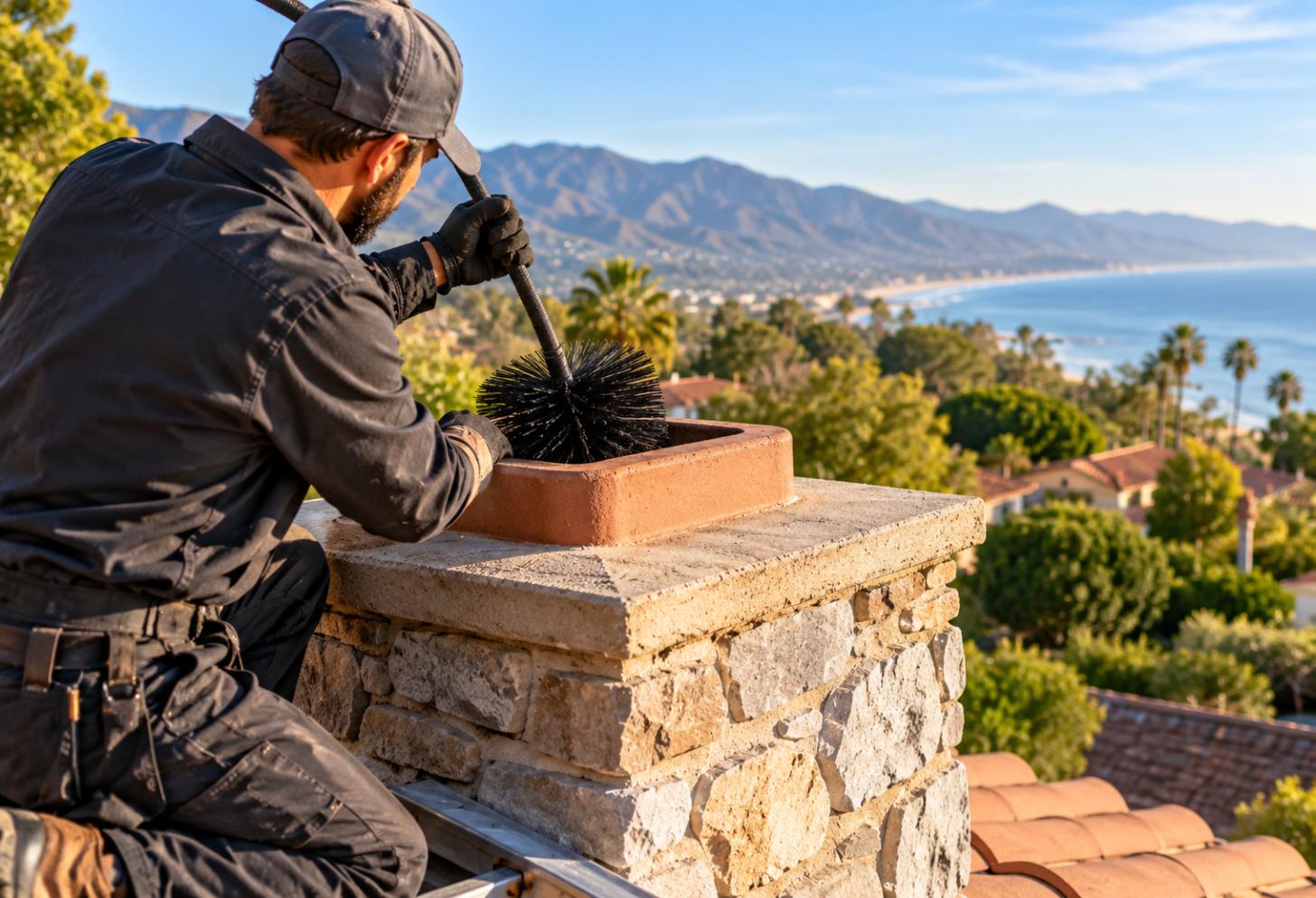
The first cool fall evening in Ventura or Santa Barbara can make a warm fireplace especially inviting. But after months of sitting unused, your chimney may contain creosote buildup, debris, or hidden damage that could make that first fire dangerous. Before you bring out the firewood, fall chimney cleaning and inspection should be on your seasonal home maintenance checklist.
Quick answer: Homeowners in Ventura and Santa Barbara Counties should have their chimneys professionally inspected at least once a year, ideally before using their fireplaces or wood stoves in the fall. A qualified chimney professional can check for creosote buildup, blockages, damaged flue liners, and other conditions that increase the risk of chimney fires or carbon monoxide exposure. Cleaning and repairs should be performed when the inspection indicates they are needed.
What local homeowners should know
-
Annual chimney inspections can uncover safety concerns before fireplaces and wood stoves are used for the cooler months.
-
Coastal moisture and seasonal weather changes in communities such as Ventura, Carpinteria, and Santa Barbara can contribute to deterioration of exposed chimney components.
-
Creosote is a combustible residue that accumulates inside chimneys when wood burns.
-
Some chimney fires produce loud noises and visible flames, while others cause damage without obvious warning signs.
-
A professional inspection can help determine whether your chimney needs cleaning, repair, or additional evaluation before use.
For homes throughout Ventura and Santa Barbara Counties, chimney maintenance is about more than preparing for a cozy evening. It helps protect the home, supports proper fireplace operation, and reduces the risk of expensive damage.
At R. Horne Hearth and Home, we understand why homeowners want confidence in their fireplace systems before the cooler season begins. We encourage proactive chimney maintenance so potential problems can be identified before the first fire.
Why Fall Chimney Inspections Matter in Ventura and Santa Barbara Counties
Fall chimney inspections matter in Ventura and Santa Barbara Counties because fireplaces often sit unused through warmer months before homeowners begin using them on chilly evenings. This seasonal transition creates an opportunity to identify creosote accumulation, debris, weather-related deterioration, and venting problems before the chimney is exposed to the heat of regular fires.
Coastal communities such as Oxnard, Ventura, and Carpinteria experience marine moisture and seasonal fog that can affect exposed masonry and metal chimney components over time.
Farther inland, communities such as Ojai and Santa Ynez experience cooler evenings that may encourage homeowners to start using their fireplaces earlier in the season.
Whether you have an older masonry fireplace or a newer factory-built system, the safest approach is to evaluate its condition before lighting the first fire.
Local conditions and chimney maintenance
Several regional characteristics make fall inspections worthwhile:
-
Coastal moisture: Rain, fog, and salt-laden coastal air can contribute to corrosion or deterioration of exposed chimney components.
-
Seasonal inactivity: Leaves, animal nesting materials, and other debris may enter an unprotected chimney while it is unused.
-
Older construction: Some established neighborhoods have masonry chimneys that may develop cracked mortar joints or damaged flue tiles over time.
-
Cool-weather fireplace use: The return of cooler evenings increases the importance of maintaining clear and functional venting systems.
These are general seasonal considerations, not evidence that every local chimney has the same problems. A professional inspection provides a more reliable assessment of an individual system.
How Chimney Fires Can Damage Local Homes
Chimney fires can damage local homes by exposing flue liners, masonry, and nearby building materials to extreme temperatures. Some fires are dramatic enough to produce roaring noises and visible flames, while others burn without attracting attention, leaving homeowners unaware of damage until the chimney is professionally inspected.
Masonry chimney damage
When creosote ignites inside a masonry chimney, the sudden temperature increase can cause thermal shock.
Potential consequences include cracked flue tiles, displaced mortar, damaged liners, and pathways through which heat or combustion gases can escape.
In older Ventura and Santa Barbara homes with masonry fireplaces, these conditions deserve particular attention because damage may be hidden inside the chimney.
Factory-built chimney damage
Factory-built metal chimneys are engineered to meet specific temperature and safety requirements. However, a chimney fire can still damage metal components, insulation, or the chimney assembly.
A factory-built chimney damaged by a chimney fire may require replacement rather than a simple cleaning.
If you suspect an active chimney fire, call 911 immediately. Do not attempt to investigate or extinguish the fire yourself. Follow emergency personnel’s instructions, and do not use the fireplace again until the system has been professionally evaluated.
Warning Signs Your Chimney May Have a Problem
Warning signs of chimney trouble include unusual smoke, strong odors, damaged flue components, and evidence of excessive heat. Ventura and Santa Barbara County homeowners should pay attention to changes in fireplace performance, particularly when using a chimney for the first time after several months of inactivity.
Signs that warrant attention include:
-
Loud cracking, popping, or rumbling: These sounds during a fire may indicate an active chimney fire, especially when accompanied by intense heat or heavy smoke.
-
Excessive smoke or smoke entering the room: This can indicate drafting problems, obstructions, or other venting issues.
-
Puffy or honeycomb-like creosote: Expanded, unusual creosote deposits may indicate that a chimney fire has occurred.
-
Cracked or missing flue tiles: Heat damage can compromise the chimney’s ability to contain combustion gases.
-
Warped metal components: Distorted dampers, connectors, or metal chimney sections may indicate exposure to excessive temperatures.
-
Discolored or damaged chimney caps: Visible deterioration can signal weather exposure, excessive heat, or other problems.
-
Creosote flakes on the roof or ground: Debris around the chimney may indicate internal deposits or previous overheating.
-
Cracked exterior masonry or smoke-stained mortar joints: These conditions can indicate structural deterioration or combustion gases escaping through damaged areas.
Not every warning sign confirms that a chimney fire occurred. However, these conditions deserve professional evaluation before the fireplace is used again.
When to Call a Professional Chimney Sweep
A professional chimney sweep should be called before your first seasonal fire, whenever the chimney shows signs of damage, or when cleaning is needed to remove combustible deposits. Homeowners in Ventura and Santa Barbara Counties should also arrange an evaluation after any suspected chimney fire, even when no damage is visible from the outside.
A qualified professional can evaluate areas that are difficult or unsafe for homeowners to access.
During an inspection, the chimney professional may assess the flue, smoke chamber, damper, chimney cap, accessible masonry, and other relevant components.
Depending on the findings, additional evaluation, cleaning, or repairs may be recommended.
For chimney inspections, the Chimney Safety Institute of America (CSIA) recommends working with a CSIA Certified Chimney Sweep.
Homeowners can safely check for obvious exterior problems from the ground, test their carbon monoxide alarms, and watch for changes in fireplace performance. Internal chimney inspections, roof access, and creosote removal should be left to trained professionals.
Common Causes of Creosote Buildup in Local Fireplaces
Creosote buildup occurs when smoke and other wood-combustion byproducts cool and condense on the inner walls of a chimney. In Ventura and Santa Barbara County homes, burning practices, firewood moisture, restricted airflow, and chimney temperature can all affect how quickly these combustible deposits accumulate.
Common contributing factors include:
1. Burning unseasoned firewood
Freshly cut or damp firewood contains excess moisture. Energy is spent evaporating that moisture, which can lower combustion temperatures and increase creosote-forming emissions.
2. Restricting airflow
Closing a damper too far or reducing wood stove air inlets excessively can contribute to incomplete combustion and increased creosote deposits.
3. Operating a fireplace with a cool flue
Cooler chimney surfaces encourage smoke byproducts to condense. This can be particularly relevant during startup or when fires burn at low temperatures.
4. Overloading a wood stove
Adding excessive wood to achieve a longer burn can lead to operating conditions that increase creosote accumulation.
5. Neglecting previous deposits
A chimney that has not been inspected or cleaned when necessary may contain significant deposits before the next heating season begins.
For homeowners purchasing firewood in Camarillo, Goleta, or nearby communities, choosing properly seasoned wood is one practical way to support cleaner burning.
Fall Chimney Cleaning and Maintenance Tips
Fall chimney maintenance should begin with a professional inspection, followed by cleaning or repairs whenever the chimney’s condition requires them. Scheduling this work before regular fireplace use gives Ventura and Santa Barbara County homeowners an opportunity to address venting problems and potentially combustible deposits before they become more serious.
A practical fall checklist includes:
-
Schedule an annual inspection before lighting the first seasonal fire.
-
Have creosote and soot removed when recommended by a qualified chimney professional.
-
Use properly seasoned, dry firewood.
-
Follow the fireplace or stove manufacturer’s airflow and operating instructions.
-
Check visible chimney caps and exterior masonry from a safe location.
-
Keep combustible decorations, furniture, and stored firewood at safe distances from the fireplace.
-
Test smoke and carbon monoxide alarms and replace batteries or devices as required.
-
Stop using the fireplace if you notice unusual smoke, sounds, or signs of damage.
For coastal homes in Ventura and Santa Barbara, it is also worthwhile to address damaged chimney caps, flashing, and masonry before winter rain exposes the system to additional moisture.
What to Expect From a Chimney Inspection and Cleaning
A professional chimney inspection and cleaning can help identify safety concerns, remove combustible deposits when necessary, and clarify whether repairs are needed before fireplace use. The exact services and findings depend on the chimney’s construction, condition, maintenance history, and any symptoms reported by the homeowner.
A chimney inspection may reveal a system that needs routine sweeping or one that requires more extensive attention.
Possible recommendations include:
-
Removing soot and creosote deposits.
-
Clearing debris or obstructions.
-
Addressing damaged chimney caps or other components.
-
Repairing cracked masonry or deteriorated mortar.
-
Evaluating damaged flue tiles or liners.
-
Recommending additional inspection or replacement where significant damage exists.
Routine maintenance can reduce preventable risks, but it cannot guarantee that chimney fires, carbon monoxide problems, or future damage will never occur.
Common Chimney Maintenance Mistakes to Avoid
Common chimney maintenance mistakes include assuming an unused fireplace is automatically safe, relying on visible soot as the only cleaning indicator, and overlooking early signs of deterioration. In Ventura and Santa Barbara Counties, these oversights can allow hidden chimney problems to remain unnoticed until the fireplace is needed.
Mistake: Assuming last winter’s fireplace use was too light to matter.
Consequence: Deposits or damage from earlier use may remain inside the flue.
Better approach: Arrange the recommended annual inspection regardless of how often the fireplace was used.
Mistake: Burning damp or unseasoned wood.
Consequence: Cooler, smokier fires can contribute to creosote buildup.
Better approach: Use properly seasoned firewood and follow the appliance’s operating instructions.
Mistake: Treating chimney cleaning as a substitute for inspection.
Consequence: Cleaning alone may not identify cracked tiles, damaged masonry, or deteriorated components.
Better approach: Make sure the chimney receives an appropriate professional inspection.
Mistake: Ignoring a suspected chimney fire because it ended quickly.
Consequence: Hidden flue damage can remain even when the exterior appears normal.
Better approach: Stop using the fireplace and arrange a professional evaluation before relighting it.
A Common Local Chimney Safety Scenario
A common local chimney safety scenario involves a homeowner in Ventura or Santa Barbara preparing to light a fireplace after a long period without use. The fireplace may look clean from the living room, even though the chimney contains old creosote deposits or debris that cannot be seen from below.
Imagine a homeowner starting a large fire on a cool fall evening without having the chimney inspected.
If substantial creosote deposits are present, the high temperatures may ignite them. A resulting chimney fire could be loud and obvious, or it could cause internal damage without immediately being noticed.
An inspection before the first fire provides an opportunity to discover these hazards and determine whether sweeping or repairs are needed.
This is an illustrative scenario, not a specific customer project or documented local incident.
Chimney Cleaning, Inspection, and Repair Solutions
Chimney cleaning, inspection, and repair address different parts of fireplace safety and maintenance. For Ventura and Santa Barbara County homeowners, understanding these services makes it easier to choose the appropriate next step rather than assuming that every chimney problem requires the same solution.
Chimney inspection evaluates the condition of the chimney and venting system, identifies visible or accessible defects, and helps determine whether further action is necessary.
Chimney sweeping removes soot, creosote, and certain obstructions that may interfere with proper chimney operation.
Chimney repair addresses damaged masonry, liners, chimney caps, or other components when inspection findings indicate that corrective work is needed.
At R. Horne Hearth and Home, we believe informed homeowners are better prepared to make maintenance decisions that support fireplace safety and long-term performance.
Comparing Chimney Maintenance Options
Comparing chimney maintenance options starts with understanding whether the goal is routine prevention, correcting a known problem, or responding to an emergency. Homeowners throughout Ventura and Santa Barbara Counties should not rely on simple cleaning when the chimney may have sustained structural or heat-related damage.
| Option | Best suited for | Important consideration |
|---|---|---|
| Routine inspection | Annual maintenance and pre-season preparation | Identifies conditions that may require additional attention |
| Chimney sweeping | Removing creosote, soot, and applicable debris | Does not necessarily resolve damaged liners or masonry |
| Chimney repair | Correcting identified defects | The appropriate repair depends on the condition and construction of the system |
| Emergency response | Active chimney fire or immediate danger | Call 911 and do not use the fireplace until it is professionally evaluated |
A professional evaluation helps determine which option matches the actual condition of the chimney.
Chimney Maintenance Across Ventura and Santa Barbara Counties
Chimney maintenance is relevant to homeowners throughout Ventura, Oxnard, Camarillo, Ojai, and other Ventura County communities, as well as Santa Barbara, Goleta, Carpinteria, and surrounding parts of Santa Barbara County. While regional weather and building styles vary, annual inspections and appropriate maintenance remain valuable throughout the area.
Coastal masonry fireplaces, inland wood stoves, and factory-built systems may have different service requirements. Their condition, construction, and usage history should guide maintenance decisions.
The Cost of Ignoring Chimney Problems
Ignoring chimney problems can lead to more extensive property damage, higher repair expenses, and avoidable safety risks. In Ventura and Santa Barbara Counties, postponing a fall inspection may also mean discovering a problem only after cooler weather arrives and homeowners begin relying on their fireplaces.
A damaged chimney liner may allow heat or combustion gases to reach areas where they do not belong. Heavy creosote deposits can increase chimney fire risk, while obstructions or venting defects may contribute to smoke and carbon monoxide entering the home.
Early identification does not guarantee an inexpensive repair, but it can help homeowners address problems before continued use makes them worse.
Frequently Asked Questions About Fall Chimney Safety
Fall chimney safety questions commonly involve inspection frequency, creosote buildup, cleaning schedules, and warning signs that require professional attention. The following answers address concerns homeowners throughout Ventura and Santa Barbara Counties may have before lighting their first seasonal fire.
1. How often should I have my chimney inspected in Ventura County?
Your chimney should generally be inspected at least once a year by a qualified chimney professional. This recommendation applies even if you only use your fireplace occasionally. An annual inspection can identify creosote accumulation, obstructions, damaged components, and other conditions that may affect safe fireplace operation.
2. When is the best time to schedule chimney cleaning in Santa Barbara County?
Fall is a practical time to schedule chimney cleaning in Santa Barbara County because it allows homeowners to prepare before regular fireplace use begins. An inspection determines whether cleaning is necessary. Scheduling before the first fire also provides an opportunity to address identified repairs before the cooler season.
3. Can a chimney fire happen without my knowing it?
Yes, some chimney fires burn without obvious flames, loud noises, or other dramatic warning signs. Despite being less noticeable, these fires can still damage flue liners and surrounding chimney materials. A professional inspection can help identify evidence of previous overheating or fire damage that homeowners may not recognize.
4. Does coastal moisture affect chimneys in Ventura and Carpinteria?
Coastal moisture can contribute to deterioration of exposed chimney masonry and metal components over time. However, moisture in outdoor air is not the primary cause of creosote accumulation inside a wood-burning chimney. Proper maintenance should address both exterior weather-related deterioration and internal combustion deposits.
5. Do I need chimney cleaning if I barely used my fireplace last winter?
Not necessarily, but you should still arrange the recommended annual inspection. Cleaning frequency depends on creosote accumulation, debris, and the condition of the venting system. Even an infrequently used fireplace can develop problems from nesting materials, weather exposure, or damage that occurred during previous seasons.
6. What should I do if I suspect a chimney fire in my Santa Barbara home?
If you suspect an active chimney fire, call 911 immediately and follow emergency instructions. Warning signs may include roaring sounds, intense heat, heavy smoke, or flames near the chimney opening. Do not use the fireplace again until a qualified professional has evaluated the system and any necessary corrective work is completed.
7. Can chimney inspections help prevent carbon monoxide problems?
Chimney inspections can help identify venting defects, obstructions, and other conditions that increase the risk of combustion gases entering a home. However, inspections cannot eliminate every carbon monoxide hazard. Homeowners should also maintain fuel-burning appliances properly and install and test carbon monoxide alarms according to applicable requirements.
8. What happens if a chimney liner is damaged in an older Goleta or Ojai home?
A damaged chimney liner may require repair, replacement, or additional evaluation depending on the extent of deterioration and the chimney’s construction. Cracked tiles or failed liner components can compromise the chimney’s ability to contain heat and combustion gases. Professional assessment is necessary before deciding whether the system can be used safely.
Prepare Your Fireplace Before Cooler Weather Arrives
Preparing your fireplace before cooler weather begins means checking its condition, addressing necessary maintenance, and avoiding use when safety concerns are present. For homeowners across Ventura and Santa Barbara Counties, a fall chimney inspection is a sensible step toward enjoying the warmth of a fireplace with greater confidence.
Creosote deposits, damaged liners, and chimney obstructions are not always visible from the fireplace opening. Identifying them before the first fire helps reduce avoidable risks and gives homeowners a clearer understanding of their system’s condition.
Get Your Chimney Ready for a Safer First Fire
Getting your chimney ready for a safer first fire starts with an annual professional inspection and any cleaning or repairs the inspection indicates are needed. We want homeowners throughout Ventura and Santa Barbara Counties to feel informed and prepared before using their fireplaces this fall.
Take the next step toward a safer, more comfortable fireplace season with R. Horne Hearth and Home.