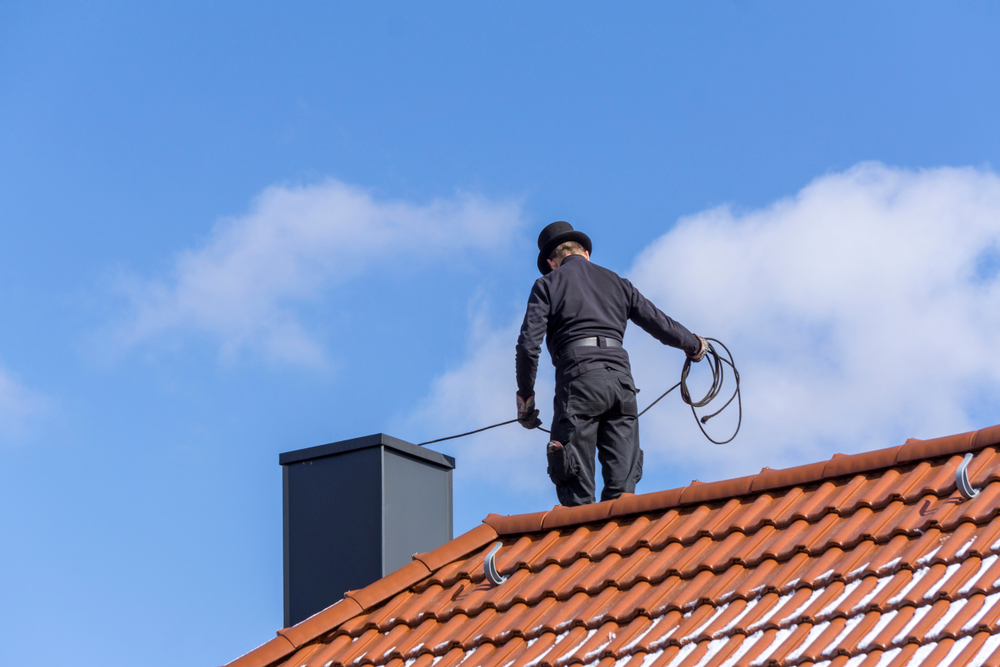
If you’ve got a fireplace, you’ve got a responsibility. Plain and simple. It’s one of those parts of the home that works quietly in the background until something goes wrong. And when it does, it’s usually expensive… or dangerous.
That’s why annual chimney inspections aren’t just a suggestion. They’re a must.
For homeowners across Ventura County, this is especially true. The region’s mix of coastal humidity, dry inland heat, and seasonal Santa Ana winds creates conditions that can accelerate wear on your chimney system faster than you might expect. A chimney that looks fine from the outside can be hiding serious problems on the inside. Getting a professional chimney inspection once a year isn’t about checking a box. It’s about protecting your home, your family, and your investment.
What Happens Inside Your Chimney Over Time
Every time you burn wood, your chimney builds up creosote, a black, tar-like substance that sticks to the flue walls. It’s highly flammable, and it doesn’t take much of it to cause a chimney fire.
Creosote accumulates in stages. In its early form, it brushes away fairly easily. But over time, and especially when fires burn at lower temperatures or with unseasoned wood, it hardens into a thick, glazed coating that is much more difficult to remove and far more dangerous. A single chimney fire can burn hot enough to crack the flue liner, damage the surrounding masonry, and in the worst cases, spread to the structure of the home itself.
Even gas fireplaces aren’t “maintenance-free.” Homeowners often assume that because there’s no wood smoke, there’s nothing to worry about. That’s not accurate. Professionals regularly find blocked vents, failing dampers, corrosion in metal components, and improper gas setups in systems that haven’t been serviced in years. It’s not always what you see. It’s what you don’t.
In Ventura County, the climate adds another layer of concern. Coastal properties deal with salt air that corrodes metal components faster than in drier climates. Homes in the hills or foothill communities face exposure to wind-driven debris, wildlife nesting in caps and covers, and temperature fluctuations that cause masonry to expand and contract over time. Regular chimney maintenance is the only reliable way to catch these issues early.
What an Inspection Actually Covers
A proper chimney inspection, following National Fire Protection Association guidelines, looks at the entire system from top to bottom: firebox condition including cracks and deterioration, the smoke chamber and flue liner, the chimney exterior covering brick, crown, and cap, damper operation, and venting and clearances.
There are three levels of inspection. A Level 1 inspection is the standard annual checkup and covers all accessible parts of the system. A Level 2 inspection goes deeper and includes a video scan of the flue interior to catch hidden cracks, blockages, or liner damage that can’t be seen with the naked eye. If you’re buying or selling a home, a Level 2 inspection is especially important. It gives both buyers and sellers a clear picture of what’s going on inside the system before a transaction closes.
A Level 3 inspection is reserved for situations where serious damage is suspected and may involve opening up parts of the chimney structure to get a complete view. Most homeowners will never need this, but it exists because some problems simply can’t be diagnosed any other way.
The Real Cost of Skipping It
Skipping your annual inspection might save a few bucks now, but it can cost thousands later. Chimney fires from creosote buildup, water damage from cracked crowns, and carbon monoxide issues from blocked flues are among the most common consequences of deferred chimney maintenance. Most of these problems start small and go unnoticed until they’re not.
Water damage alone can be surprisingly destructive. When a chimney crown cracks, water enters the masonry and begins to break it down from the inside. Over multiple freeze-thaw cycles, even minor cracks become major structural problems. Spalling brick, deteriorating mortar joints, and damaged flashing can result in water intrusion that affects not just the chimney but the surrounding walls and ceiling of your home.
Carbon monoxide is another serious risk that often gets overlooked. A blocked or damaged flue can prevent combustion gases from venting properly, allowing CO to build up inside the living space. It’s colorless, odorless, and potentially fatal. An annual chimney inspection is one of the simplest and most effective ways to reduce that risk.
For Ventura County homeowners, the wildfire environment adds even more urgency. A well-maintained chimney with a proper cap and screened spark arrestor is a meaningful line of defense against embers escaping the firebox and landing on a dry roof or yard.
How Often Should You Schedule One?
Wood-burning fireplaces should be inspected once a year. Gas fireplaces should also be inspected once a year. Homes with heavy use during the winter burning season may benefit from more frequent attention. It’s the same principle as changing the oil in your truck. You don’t wait until the engine fails.
The best time to schedule a chimney inspection in Ventura County is before the fall and winter season begins. Getting on the schedule in late summer or early fall means any issues can be addressed before the fireplace sees heavy use. Waiting until December often means longer lead times and the possibility of going into the colder months with a system that hasn’t been cleared for safe operation.
Serving Ventura and Beyond
At R. Horne Hearth and Home, we inspect chimneys across Ventura, Santa Barbara, and Los Angeles counties. Whether it’s a beachside home or a mountain cabin, the goal is the same: keep your system safe, functional, and built to last.
Our team understands the specific conditions that affect chimneys throughout this region. From Oxnard and Ventura along the coast to Thousand Oaks, Simi Valley, and Camarillo further inland, the service needs can vary significantly. That local knowledge makes a real difference when it comes to chimney maintenance that’s done right.
If it’s been over a year, or if you’re not sure when the last inspection was done, now’s the time.
Conclusion
A chimney inspection is a small investment that pays for itself many times over in safety, peace of mind, and avoided repair costs. For Ventura County homeowners, the combination of coastal conditions, fire risk, and seasonal use makes annual chimney maintenance not just a good idea, but a genuine priority. Don’t wait for a problem to remind you. Schedule your inspection and head into the season knowing your system is ready.
Need Chimney Caps & Full-Service Chimney Care Near You?
Keep your home safe and cozy with our expert team at The Chimney Cleaner Inc.! From professional chimney cleaning and detailed inspections to fireplace restorations and custom mantles, we’re dedicated to ensuring your chimney and fireplace work safely and efficiently. Whether you need reliable sweeping, gas line installation, or chimney stack remodeling, we’ve got you covered throughout Ventura County and beyond. Give us a call today; we’re ready to help you enjoy the warmth and peace of mind you deserve!

Buying or selling a home is one of the biggest financial decisions people make in their lives. Whether you are on the buying or selling side of a real estate transaction, a real estate chimney inspection can be a crucial component of due diligence. In Ventura and other parts of California, a Level 2 chimney inspection is often recommended or required during a property transfer. Understanding what a Level 2 inspection involves, why it’s important, and what information you can expect from the chimney inspection report can help you navigate your real estate transaction more smoothly and with confidence.
Why a Chimney Inspection is Essential in Real Estate Transactions
When a home changes hands, buyers expect to understand the condition of every major system in the house — plumbing, electrical, HVAC, and yes, the chimney. The chimney is often overlooked because it seems static and structurally sound from the outside. However, appearances can be deceiving. A hidden defect inside the flue or structure can create fire hazards, ventilation problems, and costly repairs down the road.
In real estate transactions, a chimney inspection for home sale ensures that both parties are fully informed of the chimney’s condition. For buyers, it offers peace of mind that the fireplace is safe to use and not in need of immediate repairs. For sellers, it is a way to disclose the condition of the chimney honestly, preventing potential disputes or deal-breakers during escrow. In California, especially in regions like Ventura, the seismic activity and exposure to coastal elements add another layer of importance to verifying chimney safety and integrity through professional inspection.
What Exactly is a Level 2 Chimney Inspection?
A Level 2 chimney inspection is more comprehensive than a basic visual inspection (Level 1), yet not as invasive as a Level 3 inspection, which may require demolition. It is specifically required when a property is being sold, transferred, or when there has been a significant change in the heating appliance or chimney system. The National Fire Protection Association (NFPA) 211 standard mandates this level of inspection during a real estate transaction.
A certified chimney professional conducts a Level 2 chimney inspection using specialized tools and cameras to evaluate the entire chimney system. This includes examining areas that are not visible during a standard home inspection or a Level 1 inspection. The process typically involves the use of a video scanning system that provides real-time images of the interior chimney flue, checking for obstructions, damage, creosote buildup, and structural integrity issues.
In Ventura, real estate agents and home inspectors commonly recommend or even require this inspection as part of a home sale checklist. The coastal climate can accelerate wear on exterior masonry and flashing, while seismic activity can cause hidden cracks in chimney structures. This makes the Level 2 chimney inspection not just an added value, but often a necessity in California.
The Detailed Steps of a Level 2 Chimney Inspection
When a certified inspector arrives to conduct a Level 2 chimney inspection, they begin with an assessment of the accessible areas of the chimney. This includes the fireplace or stove, the chimney cap, and the masonry or chase. Next, the inspector will use a specialized camera system to inspect the flue from top to bottom. This allows them to identify internal damage such as cracks in the liner, blockages, or evidence of past chimney fires.
Additionally, the inspector will evaluate the attic, crawlspace, and roof areas that are adjacent to the chimney to check for any structural compromise or improper clearance to combustibles. Unlike a Level 1 inspection, which only reviews readily visible areas, a Level 2 inspection ensures that hidden defects are not missed.
After the inspection is complete, the homeowner or buyer receives a full chimney inspection report. This document is comprehensive and includes digital images, findings, recommendations for repairs (if needed), and a summary of the chimney’s overall condition. The chimney inspection report in California often also complies with local and state disclosure requirements for real estate transactions, ensuring legal protection for both buyers and sellers.
What the Chimney Inspection Report Tells You
The chimney inspection report is the final product of a Level 2 inspection, and it serves as an official document for real estate disclosures. It usually starts with basic information such as the address, date of inspection, and type of appliance connected to the chimney (e.g., wood-burning fireplace, gas insert, or pellet stove). It then outlines any deficiencies discovered, including creosote buildup, cracks, missing mortar joints, or water penetration damage.
In some cases, the report might include safety hazards such as flue obstructions, damaged chimney liners, or evidence of past chimney fires. These issues can be deal-breakers in a home sale, or they can lead to renegotiations where the seller agrees to fix the chimney before the close of escrow. In Ventura’s competitive real estate market, homes with up-to-date chimney inspection reports tend to sell faster and with fewer obstacles.
The report also includes recommendations for repairs and maintenance, giving both buyer and seller a clear roadmap. This can be particularly helpful for new homeowners who want to understand their maintenance responsibilities. In California, where environmental laws and building codes are more stringent, having a valid chimney inspection report on file can also simplify insurance underwriting and future property assessments.
The Role of Chimney Inspections in Ventura Real Estate
Ventura is a unique market due to its coastal location, active real estate environment, and specific building regulations. Chimneys in this area are exposed to moisture, salt air, and occasional seismic tremors. These elements contribute to wear that may not be visible externally. For this reason, a real estate chimney inspection in Ventura takes on added significance. Chimney professionals in the area are trained to look for region-specific issues, such as rusted components, corroded flashing, and cracking in masonry due to thermal stress or ground movement.
In this context, a Level 2 chimney inspection acts as both a safety check and a compliance measure. Buyers moving into Ventura homes with functional fireplaces often want assurance that they can safely use them during the cooler coastal evenings. Sellers, on the other hand, want to avoid liability or delay due to hidden chimney problems. Real estate agents routinely advise their clients to complete the inspection early in the sales process to avoid complications during the home’s final walkthrough or escrow period.
Moreover, California’s real estate disclosure laws are strict. Sellers must disclose known defects, and failing to provide an updated chimney inspection report could lead to legal complications later on. A Level 2 chimney inspection provides an impartial, professional assessment that protects all parties involved.
Conclusion
A Level 2 chimney inspection is an essential part of a real estate transaction, especially in areas like Ventura, California. Whether you’re buying or selling a home, this type of inspection gives you a clearer picture of the chimney’s condition, identifies potential hazards, and ensures compliance with both safety standards and local regulations. The chimney inspection report serves as a valuable document that can prevent disputes, support transparent disclosures, and facilitate smoother closings.
Skipping this inspection might save time in the short term, but it can lead to costly consequences down the road. In today’s informed real estate market, both buyers and sellers are better off understanding exactly what to expect from a Level 2 chimney inspection. When done correctly, this step not only protects the physical structure of the home but also enhances the trust and transparency that are essential for any successful real estate transaction.
If you’re involved in a chimney inspection for home sale or want to request a chimney inspection report in California, make sure to work with certified professionals who understand the regional challenges. In Ventura, where the coastal climate and seismic activity present unique concerns, a real estate chimney inspection isn’t just recommended — it’s often indispensable.
Need Chimney Caps & Full-Service Chimney Care Near You?
Keep your home safe and cozy with our expert team at The Chimney Cleaner Inc.! From professional chimney cleaning and detailed inspections to fireplace restorations and custom mantles, we’re dedicated to ensuring your chimney and fireplace work safely and efficiently. Whether you need reliable sweeping, gas line installation, or chimney stack remodeling, we’ve got you covered throughout Ventura County and beyond. Give us a call today—we’re ready to help you enjoy the warmth and peace of mind you deserve!
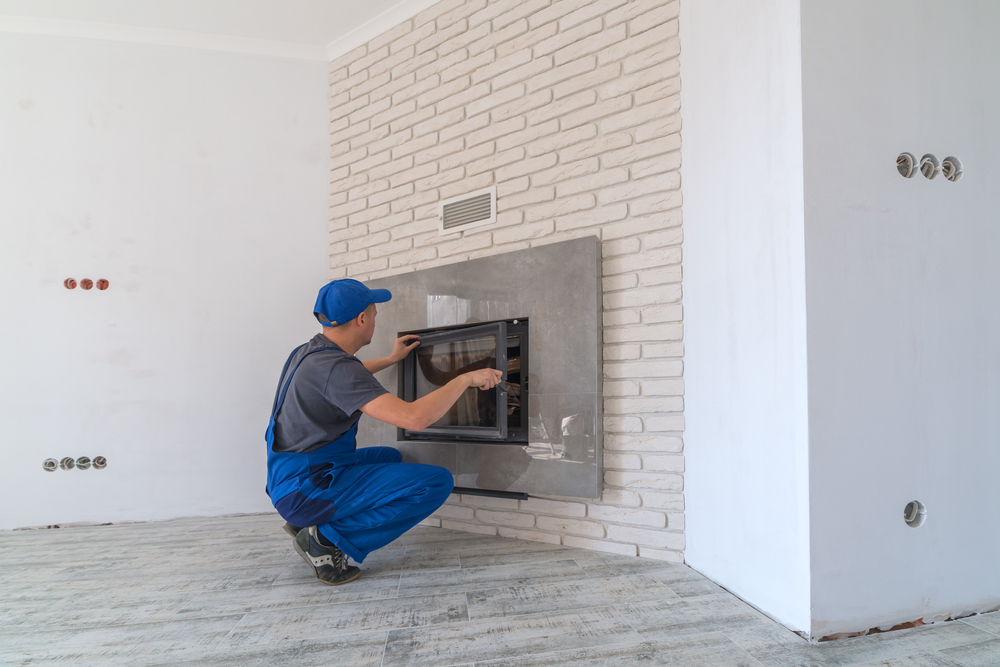
Buying or selling a home in Ventura County often involves evaluating features that add both charm and functionality to the property—fireplaces being a prime example. However, fireplaces can also present hidden challenges during real estate transactions. An essential part of property assessment, a fireplace inspection ensures that both buyers and sellers avoid unexpected costs or hazards. Let’s delve into the top five common fireplace issues discovered during real estate transactions in Ventura County and why addressing them proactively matters.
Structural Cracks in Masonry and Fireboxes
A prevalent concern uncovered during fireplace inspections in Ventura County is structural cracking, particularly in the masonry and firebox. Over time, exposure to intense heat, settling of the home, or seismic activity—common in California—can cause cracks in the bricks or refractory panels lining the firebox. While some minor hairline cracks might seem cosmetic, larger gaps can compromise the structural integrity of the fireplace, allowing excessive heat to escape to surrounding combustible materials.
In the competitive real estate market of Ventura County, an unaddressed issue like this can delay closing timelines. Buyers often request repairs or financial concessions when cracks are flagged during an inspection. From a safety perspective, these structural weaknesses can pose a serious fire hazard if not properly repaired with refractory cement or replacement panels. Regular fireplace inspections help ensure that such hidden issues don’t derail real estate deals or, worse, endanger the home.
Improper or Blocked Chimney Flues
Another common fireplace issue found during property evaluations in Ventura County involves the chimney flue. The flue is crucial for channeling smoke, gases, and particulates safely out of the home. During inspections, blocked or improperly constructed flues frequently surface as red flags. Accumulated creosote buildup, nesting animals, or structural blockages impede airflow and increase the risk of smoke backdraft into the living space.
Ventura County’s coastal environment also introduces challenges like moisture infiltration, which can accelerate corrosion and debris accumulation inside flues. Inadequate ventilation can lead to dangerous carbon monoxide buildup, a silent and potentially lethal hazard that many homeowners overlook. Real estate transactions often hinge on a fireplace inspection certifying that the chimney flue is clear and functioning optimally. Buyers tend to prioritize properties where such critical safety issues are proactively resolved.
Damaged or Missing Chimney Caps and Crowns
Chimney caps and crowns serve as the first line of defense against weather, debris, and animal intrusion. Unfortunately, damaged or missing chimney caps are a frequent problem identified during real estate inspections throughout Ventura County. Without a properly installed chimney cap, rainwater can enter the chimney system, causing metal components to rust and masonry to deteriorate. Bird nests or rodent infestations within chimneys are not uncommon in the region and often surprise both buyers and sellers during the inspection process.
A cracked or crumbling chimney crown, which seals the top of the chimney, similarly allows moisture to seep into the structure, exacerbating internal damage over time. The mild, damp ocean air prevalent in Ventura County accelerates these vulnerabilities. Inspectors typically recommend installing or replacing chimney caps and repairing crowns to prevent further decay. Buyers increasingly view these measures not as optional upgrades but as essential repairs needed before finalizing a property purchase.
Non-Compliant or Aging Dampers
The damper is a key component that controls airflow through the chimney when the fireplace is in use or idle. A significant number of Ventura County home inspections uncover issues with fireplace dampers—either they are missing, rusted in place, or no longer seal properly. Over time, exposure to smoke, soot, and coastal moisture can cause dampers to warp or corrode, rendering them ineffective.
A non-functional damper not only affects energy efficiency by allowing conditioned air to escape the home but also raises safety concerns by failing to control the passage of smoke and harmful gases. Modern top-sealing dampers offer a more durable solution compared to traditional throat dampers and are often recommended in inspection reports. From a transactional standpoint, fireplace inspection reports citing a defective damper may prompt buyers to request repairs or credits before proceeding with the purchase.
Creosote Buildup and Fire Hazards
Creosote accumulation is perhaps the most serious and commonly cited issue during fireplace inspections in Ventura County real estate transactions. This highly flammable substance forms when wood-burning fireplaces are used over time without proper maintenance. Layered creosote inside the chimney lining significantly increases the risk of chimney fires, which can spread rapidly and cause catastrophic damage.
The inspection process frequently reveals heavy creosote deposits in older homes where fireplace maintenance may have been neglected. In some cases, homeowners are unaware of the dangers associated with creosote buildup, mistakenly believing that occasional fireplace use doesn’t warrant routine cleaning. This misconception often surfaces during property sales, creating last-minute surprises for sellers and triggering negotiations.
Professional chimney sweeping, recommended annually by fireplace inspectors, is the solution to mitigate this risk. For buyers, a clean chimney certified as creosote-free can provide peace of mind and prevent future safety hazards. For sellers, addressing creosote buildup prior to listing the property can streamline the sales process and enhance buyer confidence.
Conclusion
In Ventura County, where fireplaces serve both functional and aesthetic roles in homes, proactive fireplace inspection is a critical step in real estate transactions. From structural cracks and flue blockages to damaged chimney caps, faulty dampers, and dangerous creosote buildup, common fireplace issues can derail sales if left unaddressed. For buyers, understanding these potential pitfalls allows for informed decision-making and safer homeownership. For sellers, investing in a professional fireplace inspection before listing can prevent costly surprises and build buyer trust.
Incorporating a detailed fireplace inspection as part of routine home maintenance and pre-sale preparation not only protects the property’s value but also safeguards its occupants. In a real estate market as competitive as Ventura County’s, taking proactive steps to address common fireplace issues is not just prudent—it’s essential.
Need Chimney Caps & Full-Service Chimney Care Near You?
Keep your home safe and cozy with our expert team at The Chimney Cleaner Inc.! From professional chimney cleaning and detailed inspections to fireplace restorations and custom mantles, we’re dedicated to ensuring your chimney and fireplace work safely and efficiently. Whether you need reliable sweeping, gas line installation, or chimney stack remodeling, we’ve got you covered throughout Ventura County and beyond. Give us a call today—we’re ready to help you enjoy the warmth and peace of mind you deserve!