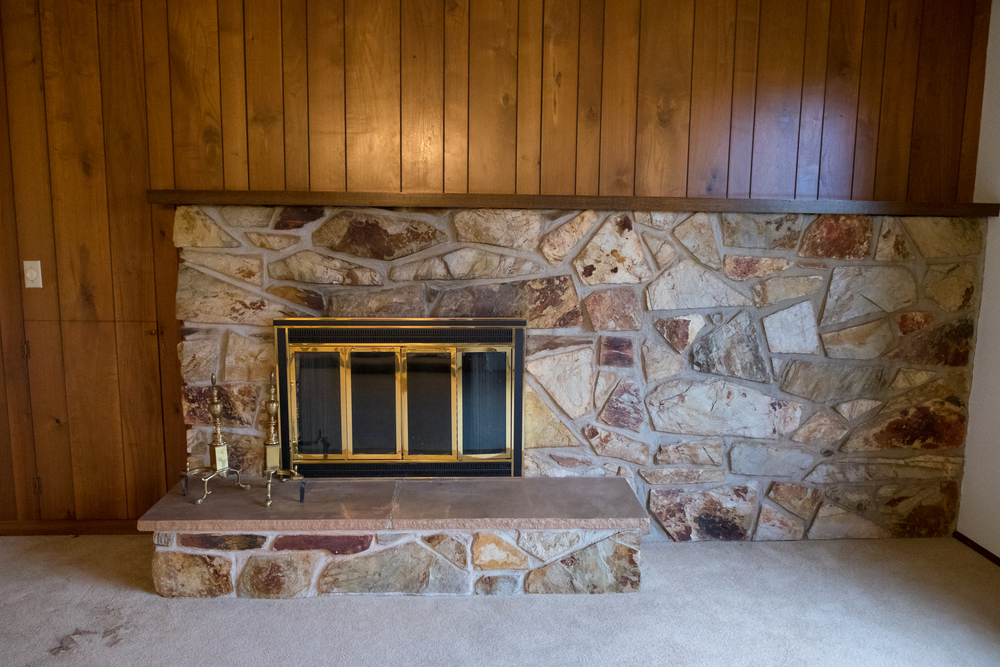
Many older homes across Ventura County still feature original masonry fireplaces that add charm, character, and value. However, fireplaces built decades ago often develop hidden problems that are easy to overlook until a crack, loose brick, smoke issue, or safety concern becomes impossible to ignore.
Fireplace restoration is often necessary when aging fireboxes, deteriorating mortar joints, damaged brickwork, or structural chimney issues begin affecting safety and performance. In Ventura homes, coastal moisture, seasonal weather changes, and decades of use can accelerate deterioration inside both the fireplace and chimney system.
Fireplace restoration for older Ventura homes typically involves repairing damaged firebox components, replacing deteriorated mortar joints, restoring masonry, addressing safety hazards, and ensuring the entire system operates as intended. Many problems begin inside the firebox long before homeowners notice visible signs of damage in the living area.
What Ventura Homeowners Should Know
Cracked firebricks inside a firebox can allow excessive heat to reach surrounding materials and should be evaluated promptly.
Older Ventura homes often have mortar deterioration caused by decades of heating cycles and coastal moisture exposure.
Loose or spalling bricks may indicate deeper masonry issues affecting both the fireplace and chimney structure.
Annual inspections help identify hidden safety concerns before they become expensive restoration projects.
Professional restoration can preserve the original character of older homes while improving fireplace safety and functionality.
Older neighborhoods throughout Ventura, Midtown Ventura, Pierpont, Ventura Keys, Montalvo, and communities near the Ventura River contain many homes with original masonry fireplaces. Some of these systems have been operating for fifty years or more.
The combination of ocean air, occasional winter storms, and long-term thermal expansion can slowly weaken mortar joints and masonry components. In coastal areas near Ventura Harbor and the beachfront communities, moisture intrusion often contributes to accelerated masonry deterioration.
At R. Horne Hearth and Home, we frequently inspect fireplaces in older properties throughout Ventura County and find damage that homeowners never realized existed. Many restoration projects begin after a routine inspection reveals firebox cracks, deteriorated mortar, or chimney issues that are hidden from everyday view.
We recommend addressing masonry concerns early because small repairs are generally easier and less disruptive than major structural restoration work.
Fireplace restoration in Ventura County often focuses on preserving older masonry fireplaces while correcting safety issues caused by aging materials. Firebox damage, cracked mortar joints, loose bricks, and moisture-related deterioration are among the most common concerns found during inspections. Homes built decades ago are especially likely to benefit from professional evaluation and restoration.
Fireplace and Chimney Conditions Common in Ventura County
Many homes built before modern building standards still contain original masonry fireplaces.
Fireboxes experience repeated heating and cooling cycles that gradually weaken mortar joints.
Coastal air can contribute to masonry deterioration over time.
Older chimney systems may contain hidden damage not visible from the fireplace opening.
Winter rains can allow moisture to penetrate compromised masonry.
Historic and older residential neighborhoods often require restoration rather than complete replacement.
Regular inspections help identify developing issues before they become major safety concerns.
If you are unsure whether your fireplace needs restoration, our team can help you understand its current condition and available options.
Fireplace Restoration Trends in Older Ventura Properties
Fireplace restoration in Ventura commonly addresses aging masonry, deteriorated fireboxes, and moisture-related chimney damage found in homes built several decades ago. Many properties throughout the county still rely on original fireplace systems that require periodic restoration to remain safe and functional.
According to the Ventura County Assessor’s records, many residential neighborhoods contain housing stock built during the mid-twentieth century. As fireplaces age, restoration becomes increasingly important to maintain structural integrity and safe operation.
In our field experience, masonry deterioration often appears first in mortar joints and firebox surfaces before spreading to other portions of the fireplace system.
How Fireplace Damage Impacts Local Homeowners
Fireplace damage affects safety, efficiency, and long-term property maintenance by allowing deterioration to progress beyond the original problem area. Even minor firebox cracks can eventually lead to more extensive restoration needs.
For homeowners in coastal communities and inland areas alike, unresolved masonry issues may contribute to smoke performance problems, moisture intrusion, and accelerated wear throughout the chimney system.
When damage is identified early, repairs are often more straightforward and less extensive than waiting until major structural issues develop.
Expert Commentary
Firebox deterioration is one of the most commonly overlooked fireplace issues we encounter. Many homeowners assume a fireplace is functioning properly because it still burns wood or gas effectively.
In reality, small cracks and deteriorated mortar can develop gradually over many years. We often find that older masonry fireplaces benefit from periodic inspections even when no obvious symptoms are present.
Our team also sees significant differences between fireplaces that receive regular maintenance and those that have gone decades without professional evaluation.
Warning Signs of Fireplace Restoration Needs
Fireplace restoration may be necessary if you notice visible masonry deterioration, damaged firebox materials, or changes in fireplace performance. Several warning signs deserve professional attention.
Cracked or broken firebricks
Missing mortar joints inside the firebox
Loose masonry components
White staining on brick surfaces
Smoke entering living spaces
Water stains near the fireplace or chimney
Pieces of brick or mortar appearing in the firebox
Visible chimney deterioration above the roofline
Waiting too long can allow relatively minor masonry problems to develop into larger structural concerns.
When to Call a Professional
Professional fireplace restoration should be considered whenever firebox cracks, loose bricks, structural masonry damage, or moisture issues are identified. Safety-related fireplace concerns should never be ignored.
Homeowners can monitor visible conditions such as surface cracking and moisture staining. However, hidden damage inside chimney systems often requires specialized inspection equipment and professional evaluation.
Because many Ventura County homes contain aging masonry systems, professional inspections provide valuable insight into the overall condition of the fireplace.
If you’ve noticed any of the warning signs discussed above, now is an ideal time to schedule an inspection and understand your options before damage progresses further.
Fireplace deterioration in Ventura County is most often caused by aging masonry materials, moisture exposure, thermal expansion, and deferred maintenance. Older homes are especially vulnerable to these conditions.
Common local causes include:
Decades of heating and cooling cycles.
Coastal moisture and salt air exposure.
Seasonal rain intrusion through damaged chimney caps.
Aging mortar joints.
Deferred chimney maintenance.
Water penetration through deteriorated masonry.
Structural settling in older homes.
These factors often work together, gradually weakening fireplace and chimney components over time.
Prevention Strategies for Older Masonry Fireplaces
Preventing major fireplace restoration projects begins with routine inspections, moisture management, and prompt repairs. Early intervention remains the most effective strategy.
Homeowners can help protect their systems by:
Scheduling regular fireplace inspections.
Addressing small masonry issues promptly.
Maintaining chimney caps and shrouds.
Monitoring for water intrusion.
Keeping chimney systems professionally cleaned and serviced.
DIY visual monitoring is helpful, but structural masonry concerns should be evaluated by experienced professionals.
Expected Results After Restoration
Fireplace restoration typically improves safety, structural stability, appearance, and long-term durability. The exact results depend on the extent of the original damage.
Many homeowners notice improved fireplace condition, restored masonry appearance, and greater confidence in the safety of their system. Proper restoration can also help preserve the architectural character that makes older homes unique.
Local Insight: Many restoration projects we perform begin with relatively minor firebox concerns discovered during routine inspections. Early detection often allows homeowners to address problems before extensive masonry reconstruction becomes necessary.
Common Mistakes Homeowners Make
One common mistake is assuming small cracks are purely cosmetic. Consequence: hidden damage may continue developing behind visible surfaces. Better approach: schedule a professional inspection.
Another mistake is delaying repairs after moisture intrusion. Consequence: water can accelerate masonry deterioration. Better approach: address both the source of moisture and the resulting damage.
A third mistake is focusing only on the visible fireplace opening. Consequence: chimney-related issues may remain undetected. Better approach: evaluate the entire system.
Real Local Example
Common Local Scenario
A homeowner in an older Ventura County neighborhood notices small cracks developing in the firebox and assumes they are normal signs of age. During a professional inspection, deteriorated mortar joints and additional hidden masonry damage are discovered.
The restoration process includes firebox repairs, mortar restoration, and corrective maintenance to prevent further deterioration. As a result, the fireplace is returned to safer operating condition while preserving the home’s original character.
Related Fireplace and Chimney Services
Fireplace restoration often works best when combined with other professional chimney and hearth services. Comprehensive inspections help identify underlying issues that contribute to masonry deterioration.
Our services include:
Fireplace inspections
Fireplace cleaning
Fireplace repairs
Fireplace restoration
Chimney inspections
Chimney cleaning
Chimney repairs
Chimney cap installation
Chimney sweeping
Chimney remodeling
Custom chimney shrouds
By addressing both fireplace and chimney conditions together, homeowners can better protect their investment.
If you are evaluating restoration options, our team can help explain which services are most appropriate for your fireplace’s condition.
Professional restoration is generally the best option when structural masonry damage, firebox deterioration, or safety concerns are present. Cosmetic touch-ups may improve appearance, but they do not address underlying problems.
For minor maintenance concerns, monitoring may be appropriate. However, significant cracking, loose masonry, or moisture damage typically requires professional repair to ensure long-term performance and safety.
Service Areas Throughout Ventura County
We proudly serve homeowners throughout Ventura County, including Ventura, Oxnard, Camarillo, Ojai, Port Hueneme, Thousand Oaks, and surrounding communities.
Our familiarity with local housing styles, coastal conditions, and aging masonry fireplaces helps us provide solutions tailored to the region’s unique challenges.
The Cost of Ignoring Fireplace Damage
Ignoring fireplace damage can lead to larger restoration projects, increased repair costs, and potential safety concerns. Problems that begin with minor mortar deterioration often spread to adjacent masonry components over time.
Delaying repairs may also increase the likelihood of moisture-related damage and structural deterioration. Early evaluation provides homeowners with more options and better control over future maintenance costs.
Protecting your fireplace today may help avoid more extensive restoration work later.
How do I know if my Ventura fireplace needs restoration?
Visible cracks, loose bricks, deteriorated mortar, moisture staining, and smoke performance issues are common indicators. A professional inspection can identify hidden damage that may not be visible during routine use.
Are firebox cracks dangerous?
Firebox cracks can become safety concerns because they may allow excessive heat to reach surrounding materials. Any significant cracking should be professionally evaluated.
Does coastal weather affect fireplaces in Ventura County?
Yes. Coastal moisture and salt air can contribute to masonry deterioration over time, particularly in older chimney and fireplace systems.
Can damaged bricks be repaired instead of replaced?
In many cases, individual damaged bricks can be repaired or replaced as part of a larger restoration project. The appropriate solution depends on the extent of the deterioration.
How often should fireplaces be inspected?
Annual inspections are commonly recommended to identify developing issues before they become larger problems.
What is included in a fireplace restoration project?
Restoration may include firebox repairs, brick replacement, mortar restoration, chimney repairs, moisture protection measures, and other corrective work depending on the condition of the system.
Is restoration better than replacement for older homes?
Restoration is often preferred when the existing fireplace structure can be safely preserved. It allows homeowners to maintain original architectural features while improving safety and performance.
Can chimney problems affect the fireplace?
Yes. Many fireplace issues originate within the chimney system. Comprehensive inspections evaluate both components together.
Older Ventura County homes deserve fireplace solutions that respect their character while addressing modern safety concerns. We understand the unique challenges associated with aging masonry fireplaces throughout the region and are committed to helping homeowners make informed decisions.
Protect Your Fireplace and Preserve Your Home’s Character
Whether you’re concerned about firebox damage, deteriorating brickwork, or chimney safety issues, professional guidance can help you understand the condition of your fireplace and the best path forward.
As cooler evenings return to Ventura County, many homeowners flip on their gas fireplaces for the first time in months only to find that the pilot light will not stay lit, the gas logs look dirty, or the fireplace produces unusual odors. After sitting unused through much of the year, gas fireplaces often need attention before they can operate safely and efficiently.
Gas fireplace maintenance before winter helps identify minor issues before they become safety concerns during the heating season. In coastal communities where salt air, dust, and seasonal moisture can affect fireplace components, annual service is especially important.
Gas fireplace maintenance before winter includes inspecting the pilot light, cleaning gas logs, checking burners, testing safety controls, and ensuring proper venting. For homeowners in Ventura, a professional inspection before temperatures drop can help improve reliability, efficiency, and safety throughout the winter season.
What Ventura County Homeowners Should Know
A pilot light that will not stay lit often indicates dirt buildup, thermocouple issues, or worn components that should be inspected before winter.
Gas logs can accumulate dust, debris, and discoloration during the warmer months, affecting fireplace appearance and performance.
Homes near the Ventura coastline may experience additional corrosion risks due to salt air exposure.
Annual fireplace inspections help identify ventilation, gas supply, and safety concerns before regular seasonal use begins.
Professional maintenance can help extend the lifespan of fireplace components and improve overall performance.
Ventura’s mild climate means many fireplaces remain unused for extended periods. Whether you live near Downtown Ventura, Pierpont Bay, Ventura Keys, Midtown, or the hillside neighborhoods overlooking the Pacific, months of inactivity can allow dust, debris, and moisture to affect fireplace systems.
Many homes throughout Ventura County feature gas fireplaces as supplemental heating sources rather than primary heat. Because they are used less frequently than in colder climates, maintenance issues often go unnoticed until the first cool evening arrives.
At R. Horne Hearth and Home, we frequently help local homeowners prepare their fireplaces for winter by inspecting key components, cleaning systems, and addressing safety concerns before they become larger problems.
Gas fireplaces in Ventura County perform best when inspected and serviced before the heating season begins. Pilot light reliability, clean gas logs, proper ventilation, and functioning safety controls all contribute to safe operation. Annual maintenance can help prevent unexpected breakdowns and improve fireplace performance during cooler months.
Fireplace Conditions Common Across Ventura County
Coastal properties near Ventura Harbor and Pierpont Bay may experience accelerated metal component wear from salt air exposure.
Dust accumulation is common after long periods of inactivity during warmer months.
Older homes may have aging fireplace components that require periodic inspection.
Seasonal humidity changes can affect venting systems and fireplace performance.
Gas log positioning can shift over time, impacting flame appearance and efficiency.
Animal activity near chimney caps or vent terminations can occasionally create ventilation concerns.
Fall is typically the ideal time for fireplace inspections before increased winter use.
If you would like to understand your fireplace’s condition before winter arrives, a professional inspection can help identify potential concerns and explain available maintenance options.
Gas fireplace maintenance before winter helps ensure that systems function properly after months of limited use. Throughout Ventura County, fireplaces often remain dormant from late spring through early fall.
Field observations from fireplace service professionals consistently show that the first seasonal startup is when many maintenance issues become apparent. Dust accumulation, burner obstruction, pilot assembly contamination, and venting concerns are among the most common findings during pre-season inspections.
How Winter Fireplace Issues Affect Local Homeowners
Gas fireplace issues can reduce heating efficiency, create safety concerns, and leave homeowners without supplemental heat when temperatures drop. While Ventura does not experience severe winters, fireplaces remain an important comfort feature for many households.
A malfunctioning pilot light may prevent ignition altogether. Dirty burners can produce uneven flames. Improper venting can affect indoor air quality and fireplace performance. Addressing these concerns before peak usage helps avoid inconvenient breakdowns during colder evenings.
Professional Insights on Gas Fireplace Maintenance
Gas fireplace maintenance is most effective when performed before regular winter operation begins. Early inspections provide time to identify worn components and complete any needed repairs before demand increases.
We often find that homeowners assume a gas fireplace requires little maintenance because it burns cleaner than a wood-burning system. While gas fireplaces generally require less cleaning, they still contain burners, ignition components, valves, vents, and safety devices that benefit from routine inspection.
Warning Signs Your Gas Fireplace Needs Service
Gas fireplace warning signs often appear before a complete failure occurs. Homeowners should watch for several common indicators:
Pilot light repeatedly goes out.
Delayed ignition after activation.
Unusual odors during operation.
Excessive soot accumulation on gas logs.
Uneven or weak flame patterns.
Visible corrosion on fireplace components.
Difficulty operating switches or controls.
Strange noises during startup or operation.
Ignoring these signs can allow minor maintenance concerns to develop into more significant repair needs.
When to Call a Fireplace Professional
A fireplace professional should be called whenever ignition problems, gas-related concerns, venting issues, or safety control malfunctions are suspected. While homeowners can perform basic visual inspections, most gas fireplace service should be left to trained technicians.
We recommend scheduling professional service if the fireplace has not been inspected within the last year, if performance has changed noticeably, or if any unusual operating conditions are observed.
If your fireplace is showing warning signs before winter, now is the ideal time to have it evaluated before seasonal demand increases.
Common Causes of Fireplace Problems in the Ventura Area
Gas fireplace issues in Ventura County are often related to environmental conditions, seasonal inactivity, and normal component wear.
Some of the most common local causes include:
Dust Buildup
Long periods without operation allow dust to accumulate on burners and pilot assemblies.
Salt Air Exposure
Coastal neighborhoods may experience accelerated corrosion of exposed metal components.
Aging Components
Thermocouples, ignition systems, and control valves naturally wear over time.
Ventilation Obstructions
Debris or animal activity near vent terminations can affect airflow.
Improper Gas Log Placement
Shifted logs can alter flame patterns and impact efficiency.
Preventing Fireplace Issues Before Winter
Preventing gas fireplace problems starts with annual maintenance. Homeowners can also take several proactive steps:
Schedule inspections before the heating season begins.
Keep fireplace areas clean and free of dust.
Monitor pilot light performance throughout the year.
Check for visible corrosion or damage.
Ensure vent openings remain unobstructed.
Follow manufacturer recommendations for operation and maintenance.
Routine professional service remains the most effective way to identify hidden concerns before they affect performance.
What Results Can Homeowners Expect?
Proper gas fireplace maintenance can improve reliability, safety, and overall performance. Most homeowners notice easier ignition, more consistent flame appearance, cleaner operation, and greater confidence when using their fireplace throughout the winter season.
While maintenance cannot prevent all future repairs, it can help identify developing issues before they lead to unexpected breakdowns.
Seasonal Insight: Many fireplace service calls occur during the first significant cool weather period of the year. Scheduling maintenance before temperatures drop can help avoid seasonal appointment delays and ensure your fireplace is ready when you need it.
Common Fireplace Maintenance Mistakes
Several common mistakes can shorten fireplace component life or create avoidable problems:
Skipping annual inspections.
Ignoring pilot light issues.
Attempting gas system repairs without proper training.
Operating a fireplace with damaged logs.
Overlooking venting concerns.
Waiting until winter to address known problems.
A proactive maintenance approach is typically less disruptive than emergency repairs during peak usage periods.
A Common Ventura County Fireplace Scenario
Gas fireplace maintenance often follows a familiar pattern. A homeowner in a coastal Ventura County neighborhood attempts to use their fireplace on the first cool evening of the season. The pilot light struggles to remain lit, and the flames appear weaker than normal.
During a professional inspection, dust buildup, minor corrosion, and a dirty pilot assembly are discovered. After cleaning, inspection, and adjustment, the fireplace returns to normal operation and is ready for winter use.
Fireplace Services That Help Prevent Winter Problems
Gas fireplace maintenance, inspections, repairs, cleaning, and gas log services are among the most effective ways to address seasonal fireplace concerns. We also provide fireplace restoration, remodels, gas line installations, and related hearth services throughout Ventura County.
These services can help homeowners maintain safe operation, improve performance, and extend the lifespan of fireplace components.
If you want to prepare your fireplace for winter use, a professional evaluation can help identify the maintenance services most appropriate for your system.
Comparing DIY Maintenance and Professional Service
Gas fireplace maintenance includes both homeowner responsibilities and professional tasks. Homeowners can visually inspect their fireplace, monitor performance, and keep surrounding areas clean.
Professional technicians should handle gas system inspections, pilot light diagnostics, safety control testing, venting evaluations, repairs, and component adjustments. These services require specialized knowledge and equipment to ensure safe operation.
Serving Ventura County Communities
We provide chimney and fireplace services throughout Ventura County and surrounding areas, including Ventura, Oxnard, Camarillo, Ojai, Port Hueneme, and nearby communities. Our familiarity with local housing styles, coastal conditions, and regional fireplace needs helps us provide service tailored to area homeowners.
The Cost of Delaying Fireplace Maintenance
Delaying fireplace maintenance can increase the likelihood of unexpected repairs, reduced efficiency, and safety concerns. Minor issues such as dirty pilot assemblies or worn ignition components may worsen over time if left unaddressed.
Regular inspections help identify developing problems early, which can often simplify repairs and reduce downtime during the heating season.
If your fireplace has not been inspected recently, scheduling service before winter arrives can help ensure reliable operation throughout the cooler months.
How often should a gas fireplace be inspected in Ventura?
Gas fireplaces should generally be inspected annually. A yearly inspection helps identify wear, clean critical components, verify safe operation, and prepare the system for seasonal use.
Why won’t my pilot light stay lit?
A pilot light that will not stay lit may be caused by dirt buildup, a faulty thermocouple, gas supply issues, or other component problems. Professional diagnosis is often needed to determine the exact cause.
Do gas logs need cleaning?
Yes. Gas logs can collect dust and debris during periods of inactivity. Cleaning helps maintain appearance and supports proper fireplace operation.
Is fireplace maintenance necessary if I rarely use my fireplace?
Yes. Even infrequently used fireplaces can develop issues while sitting unused. Annual inspections help identify concerns before operation resumes.
Are coastal homes more likely to experience fireplace corrosion?
Yes. Homes near the Pacific Ocean may experience increased exposure to salt air, which can contribute to corrosion of certain metal fireplace components.
Can I inspect my gas fireplace myself?
Homeowners can perform basic visual inspections and monitor performance. However, gas system diagnostics, repairs, and safety testing should be performed by qualified professionals.
When is the best time to schedule fireplace maintenance?
Fall is typically the best time to schedule maintenance because it allows homeowners to prepare for winter before seasonal demand increases.
What services are included in a fireplace inspection?
A professional fireplace inspection may include pilot light evaluation, burner inspection, gas log assessment, venting review, safety control testing, cleaning recommendations, and repair identification.
Preparing your gas fireplace before winter helps ensure safe, reliable performance when cooler weather arrives. With proper maintenance and inspection, homeowners throughout Ventura County can enjoy greater peace of mind during the heating season.
Get Your Fireplace Ready for Winter
A well-maintained fireplace can provide comfort, reliability, and confidence throughout the cooler months. Our team is here to help you understand your fireplace’s condition and recommend the right maintenance services for your home.
If you own a home with a fireplace, you have probably heard the term fireplace damper at some point. Maybe a technician mentioned it during an inspection, or perhaps you noticed a draft coming from your chimney and someone told you to check the damper. Either way, understanding what this component is and how it works can save you money, improve your comfort, and even protect your family from potential hazards.
This guide breaks down everything you need to know about your fireplace damper, from its basic function to the signs that it might need attention.
What Is a Fireplace Damper and What Does It Do?
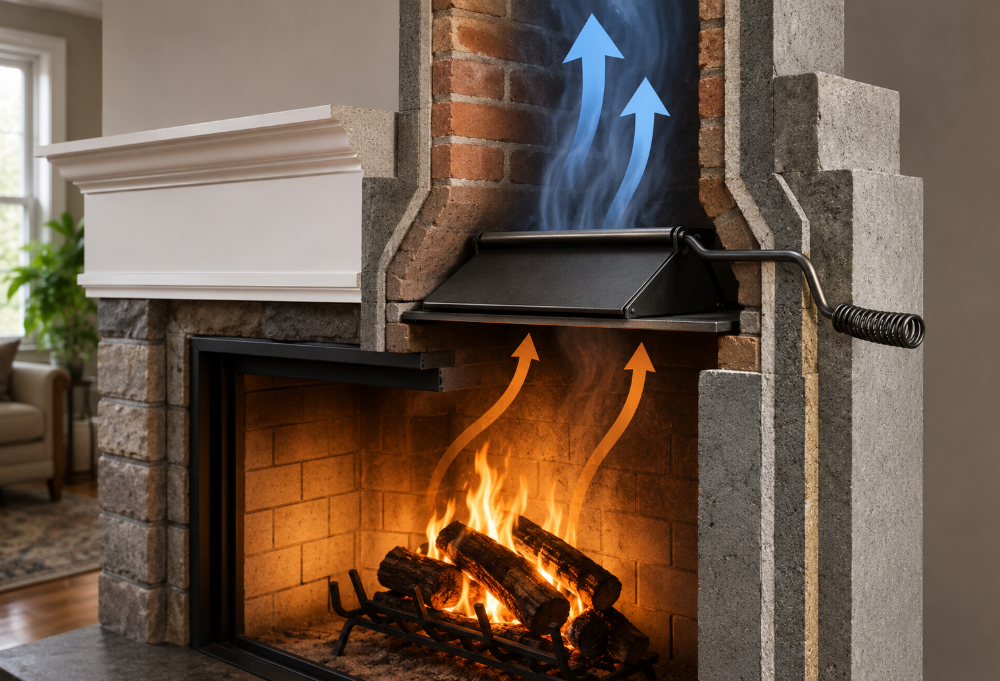
A fireplace damper is a movable plate or valve located inside your chimney that controls the flow of air between your home and the outside. Think of it as a door for your chimney. When you are burning a fire, the damper should be open to allow smoke and combustion gases to escape safely. When the fireplace is not in use, the damper should be closed to prevent outside air, animals, debris, and moisture from entering your home.
Without a properly functioning fireplace damper, your home would be constantly exposed to the outdoor environment through the chimney opening. During winter, cold air would pour into your living space, making your heating system work overtime. During summer, hot air and humidity would seep in, driving up your cooling costs. The damper acts as the first line of defense against all of these issues while also playing a critical safety role when the fireplace is active.
There are two main types of dampers. The throat damper sits just above the firebox, at the base of the chimney flue. The top-sealing damper, on the other hand, is mounted at the very top of the chimney and seals the flue from above. Both types serve the same general purpose, but they differ in terms of efficiency, ease of use, and cost.
How Does a Fireplace Damper Work?
The mechanics of a fireplace damper are relatively simple, but the impact of those mechanics on your home is significant. A throat damper typically operates with a handle or rotating lever located just inside the firebox. When you push or twist the handle, it opens or closes a metal plate called the damper plate or flap. This plate pivots on a hinge, allowing you to control how much airflow passes through the flue.
A top-sealing damper works differently. It is controlled by a cable or chain that runs down the inside of the chimney and is usually attached to a clip or bracket near the firebox opening. Pulling the cable opens the damper from the top, and releasing it allows a rubber or silicone gasket to seal the chimney completely. Many homeowners prefer top-sealing dampers because they tend to create a tighter seal than traditional throat dampers, especially in older fireplaces where the metal throat damper may have warped or corroded over time.
When you light a fire, the rising heat from the flames creates a draft that pulls air upward through the flue. The open damper allows this process to happen naturally. If the damper is closed or partially blocked, smoke will back up into the room instead of rising out through the chimney, creating a safety hazard and an unpleasant experience for everyone in the home.
Signs Your Fireplace Damper May Need Repair or Replacement
Like any mechanical component, a fireplace damper can wear out over time. Knowing the warning signs can help you catch problems early before they turn into expensive repairs or safety concerns.
One of the most common signs of a failing damper is a persistent draft. If you feel cold air coming from your fireplace even when it is not in use, the damper may not be sealing properly. This could be due to warping, rust, or physical damage to the damper plate. Over years of exposure to heat, moisture, and fluctuating temperatures, metal components can deteriorate significantly.
Another red flag is smoke entering your living space when you use the fireplace. While this can sometimes be caused by a cold flue or improper wood selection, it can also indicate that the damper is stuck, partially closed, or blocked by debris. If the damper is not opening fully, it restricts airflow and forces smoke back into the room.
Difficulty operating the damper is also worth noting. If the handle is stiff, stuck, or feels loose and unresponsive, the hardware may need lubrication, adjustment, or replacement. In some cases, the entire damper assembly needs to be swapped out. A qualified chimney technician can assess the situation and recommend the best course of action.
You should also keep an eye out for signs of moisture damage inside the firebox. Rust stains, efflorescence (white mineral deposits), or water pooling at the base of the firebox can all indicate that the damper is not sealing correctly and allowing rain or snow to enter the flue.
The Energy Efficiency Connection
Many homeowners do not realize how much of an impact a faulty or open fireplace damper can have on their energy bills. According to the U.S. Department of Energy, a fireplace with an open damper can lose a significant amount of heated or cooled air, essentially creating a large hole in your home’s thermal envelope.
When the damper is closed and in good condition, it acts as an insulating barrier. When it is open, damaged, or absent, conditioned air escapes freely, and outside air rushes in to replace it. This puts additional strain on your HVAC system, leading to higher energy consumption and increased wear on your heating and cooling equipment.
Upgrading to a top-sealing damper is one of the most cost-effective improvements you can make if your current fireplace damper is old or inefficient. These models use a tight gasket seal that far outperforms traditional throat dampers in terms of energy retention. Homeowners who make the switch often notice a reduction in drafts and a more stable indoor temperature throughout the year.
If you use your fireplace infrequently, you might also consider a chimney balloon or draft stopper as a temporary measure. These inflatable devices sit inside the flue and block airflow when the fireplace is not in use. They are not a permanent fix, but they can provide relief while you plan a more lasting solution.
Fireplace Damper Maintenance Tips
Keeping your fireplace damper in good working order does not require a lot of effort, but it does require consistency. A little preventative maintenance goes a long way toward extending the life of this important component.
Start with an annual chimney inspection. A certified chimney sweep can examine the damper along with the rest of the flue system to identify any issues before they become serious. During the inspection, the technician will check for corrosion, physical damage, creosote buildup, and proper operation of the damper mechanism.
Between professional inspections, you can do a simple visual check yourself. With a flashlight, look up into the firebox and examine the damper plate. It should move smoothly when you operate the handle, and it should close completely without visible gaps.
Clean the damper area periodically to remove ash, soot, and debris that can interfere with the damper’s ability to open and close. Avoid using water directly on the damper, as this can accelerate rusting. Instead, use a dry brush or vacuum designed for fireplace use.
If you notice squeaking or resistance when operating the damper, a small amount of high-temperature lubricant applied to the hinge points can resolve the issue. Do not use standard household oils or sprays, as these can ignite when exposed to the heat of a fire.
Conclusion
Your fireplace damper plays a quiet but essential role in keeping your home safe, comfortable, and energy efficient. From controlling airflow during a fire to sealing out the elements when the hearth is cold, this component deserves more attention than it typically gets. By understanding how it works, recognizing the signs of trouble, and staying on top of basic maintenance, you can keep your fireplace performing at its best for years to come.
Need Chimney Caps & Full-Service Chimney Care Near You?
Keep your home safe and cozy with our expert team at The Chimney Cleaner Inc.! From professional chimney cleaning and detailed inspections to fireplace restorations and custom mantles, we’re dedicated to ensuring your chimney and fireplace work safely and efficiently. Whether you need reliable sweeping, gas line installation, or chimney stack remodeling, we’ve got you covered throughout Ventura County and beyond. Give us a call today; we’re ready to help you enjoy the warmth and peace of mind you deserve!
There is something deeply satisfying about settling in front of a crackling fire on a cold evening. The warmth, the ambiance, and the sense of comfort a fireplace provides are hard to match. But behind that cozy experience is a system that requires regular attention to function safely and efficiently. Many homeowners overlook routine fireplace cleaning until a problem forces their hand, and by then, the repairs can be surprisingly expensive.
Understanding how consistent maintenance protects your fireplace, your home, and your wallet is the first step toward becoming a more responsible homeowner.
The Hidden Dangers of a Neglected Fireplace
When a fireplace goes without regular cleaning, the consequences build up slowly and quietly. Every time wood burns, it releases byproducts that travel up through the flue. One of the most significant of these byproducts is creosote, a dark, tar-like substance that clings to the interior walls of your chimney. Over time, creosote accumulates in layers, and in its more advanced stages, it becomes highly flammable.
Creosote buildup is the leading cause of chimney fires in the United States. These fires can burn at extremely high temperatures, sometimes exceeding 2,000 degrees Fahrenheit, and they can spread to the surrounding structure of your home before you even realize what is happening. A chimney fire that goes undetected can cause severe structural damage that costs thousands of dollars to repair.
Beyond creosote, a neglected fireplace can also become home to blockages caused by debris, leaves, bird nests, and other materials that find their way into the flue. These blockages restrict airflow, reduce heating efficiency, and can cause dangerous carbon monoxide to back up into your living space. None of these issues are minor, and all of them are preventable with proper, regular fireplace cleaning.
How Regular Fireplace Cleaning Protects Your Chimney Liner
The chimney liner is one of the most critical components of your entire fireplace system. It serves as a protective barrier between the intense heat and combustion gases inside the flue and the surrounding masonry and framing of your home. Without a functioning liner, heat and gases can transfer directly to combustible materials in your walls, dramatically increasing the risk of a house fire.
Creosote and other corrosive byproducts do not just sit passively on the liner. Over time, they eat away at the material, particularly in clay tile liners, which are the most common type found in older homes. When the liner deteriorates, cracks form, and those cracks allow heat and toxic gases to seep into areas where they should never reach.
Professional fireplace cleaning includes a thorough inspection of the liner as well as the removal of damaging deposits. Catching liner damage early, before a small crack becomes a major failure, can save homeowners from replacing the entire liner, a job that can cost anywhere from $2,500 to $7,000 or more depending on the chimney height and liner material. Routine cleaning gives professionals the opportunity to identify these vulnerabilities before they escalate.
Preventing Moisture Damage Through Consistent Maintenance
Water is one of the most destructive forces a chimney faces, and it is also one of the least considered when homeowners think about fireplace maintenance. Moisture enters through cracks in the masonry, a deteriorating chimney cap, or a damaged crown, and once inside, it does significant damage throughout all four seasons.
During winter, water that has seeped into small cracks will freeze and expand, widening those cracks with each freeze-thaw cycle. Over spring and summer, moisture promotes the growth of mold and mildew inside the flue, and it accelerates the rusting of metal components like the damper and firebox components. Left unaddressed, moisture damage can compromise the structural integrity of the entire chimney stack.
During professional fireplace cleaning, a trained technician will examine the chimney cap, crown, and masonry for early signs of water intrusion. They may apply waterproofing treatments or recommend targeted repairs that are far less expensive when addressed promptly. Ignoring moisture damage until it becomes visible inside your home, through staining, spalling bricks, or a rusted damper, means the repair bill will be significantly higher.
The Role of Professional Fireplace Cleaning in Damper and Firebox Health
The damper and firebox are the parts of your fireplace system you interact with most directly, and they are also subject to considerable wear from heat, moisture, and the byproducts of combustion. A properly functioning damper is essential for controlling airflow, which in turn affects how efficiently your fire burns and how much heat actually enters your living space rather than escaping up the chimney.
When the damper becomes coated with soot and creosote, it can stop sealing properly. A damper that does not close fully allows cold outside air to pour into your home during the months when your fireplace is not in use, driving up heating costs and creating uncomfortable drafts. A damper that does not open properly creates a smoke and carbon monoxide hazard every time you light a fire.
Professional fireplace cleaning addresses these issues by thoroughly clearing the damper of deposits and inspecting it for physical damage. Replacing a damper is a relatively minor repair when caught early, typically ranging from $150 to $300. However, if damper problems are ignored and lead to secondary damage within the firebox or flue, costs can climb considerably.
The firebox itself, the interior chamber where your fires actually burn, is also inspected and cleaned during a professional service. Cracks in the refractory panels that line the firebox are a common finding in fireplaces that have not been maintained, and they allow heat to penetrate beyond the firebox walls. Replacing individual refractory panels is manageable in cost; rebuilding an entire firebox is not.
Why Annual Fireplace Cleaning Is a Smart Financial Decision
Some homeowners hesitate to schedule professional fireplace cleaning because they view it as an unnecessary expense, particularly if they use their fireplace infrequently. But the logic of preventive maintenance is straightforward: a modest annual investment prevents far larger, unpredictable costs down the road.
The national average cost for a professional chimney cleaning and inspection typically falls between $150 and $300, depending on the region and the scope of the service. Compare that to the cost of repairing chimney fire damage, which can range from $5,000 to well over $20,000 depending on the extent of the structural damage. Even more moderate repairs, like relining a chimney or rebuilding a damaged crown, quickly exceed what years of annual cleanings would have cost.
There is also the matter of homeowner’s insurance. Some insurance providers require documentation of annual chimney inspections and cleanings as a condition of coverage for fireplace-related damage. If a chimney fire occurs in a home where maintenance has been neglected, a claim may be denied, leaving the homeowner to bear the full cost of repairs.
Beyond the purely financial argument, regular professional fireplace cleaning also provides peace of mind. Knowing that a certified technician has examined every component of your system and given it a clean bill of health means you can enjoy your fireplace through the colder months without worry.
Conclusion
A fireplace is a long-term investment in your home’s comfort and value, but only if it is properly cared for. Routine fireplace cleaning is not a luxury reserved for heavy users; it is a basic responsibility for any homeowner with a working hearth. The relationship between consistent maintenance and avoided repairs is direct and well-documented. By scheduling professional fireplace cleaning on an annual basis, you protect your chimney liner, your damper, your firebox, and the structural integrity of your home, all while keeping your costs predictable and manageable. The fire burning in your hearth should bring comfort, not risk. Regular cleaning ensures it stays that way.
Need Chimney Caps & Full-Service Chimney Care Near You?
Keep your home safe and cozy with our expert team at The Chimney Cleaner Inc.! From professional chimney cleaning and detailed inspections to fireplace restorations and custom mantles, we’re dedicated to ensuring your chimney and fireplace work safely and efficiently. Whether you need reliable sweeping, gas line installation, or chimney stack remodeling, we’ve got you covered throughout Ventura County and beyond. Give us a call today; we’re ready to help you enjoy the warmth and peace of mind you deserve!
Factory-built fireplaces became increasingly popular during the 1980s and 1990s as homeowners sought convenient heating solutions without the expense of masonry work. These prefab fireplaces offered quick installation, standardized designs, and the appeal of modern convenience. However, decades of use have revealed numerous reliability issues that plague many of these units today. Understanding the common problems with factory built fireplace designs from this era can help homeowners make informed decisions about fireplace repair, replacement, or restoration.
This blog explores the most frequent issues affecting 1980s-1990s prefab fireplace problems and what you need to know about maintaining these aging systems.
Understanding Prefab Fireplace Construction
Factory-built fireplaces manufactured during the 1980s and 1990s were engineered with cost efficiency and mass production in mind. These units featured metal fireboxes surrounded by insulation and outer casings, quite different from traditional masonry fireplaces. The construction typically included a metal chimney system, damper mechanisms, and heat distribution components all assembled at the factory before shipping to job sites. While this approach reduced installation time and labor costs, it also created specific vulnerabilities that have become apparent over the past thirty to forty years of use.
The materials used in these prefab fireplace problems often included steel components with protective coatings, firebrick linings, and metal dampers. These materials perform well when properly maintained, but time takes its toll on all components. Homeowners who purchased homes with these fireplaces or installed them originally may now face the reality of aging systems requiring attention.
Deterioration of Metal Components and Rust Issues
One of the most common issues facing 1980s-1990s factory-built fireplaces is the deterioration of metal components through rust and corrosion. The metal box itself, along with the damper mechanism and firebox walls, can develop rust spots over decades of exposure to heat, moisture, and combustion byproducts. This is especially true in humid climates or areas with significant rainfall that increases moisture infiltration through the chimney system.
When rust begins to form on critical components, structural integrity becomes compromised. The damper assembly, which controls airflow and prevents drafts when the fireplace is not in use, often suffers from rust and corrosion that makes it stick or fail to seal properly. A malfunctioning damper allows warm air to escape from the home during winter months and permits cold air infiltration in summer, significantly reducing energy efficiency.
Additionally, rust developing on the interior walls of the firebox can eventually create holes or weak spots that allow dangerous combustion gases to escape into the walls and living spaces. This poses both safety and health risks to occupants. Regular inspection of metal surfaces inside the fireplace cavity can help catch rust issues early before they become serious problems requiring replacement of entire sections.
Firebrick Deterioration and Liner Failure
The firebrick linings found in many 1980s-1990s factory-built fireplaces were designed to withstand high temperatures and reflect heat into the home. However, repeated heating and cooling cycles over decades cause thermal stress on these materials. Firebricks gradually deteriorate through a process called spalling, where small pieces of brick break away from the surface. This creates a rough interior surface that can trap creosote and combustion byproducts.
Factory-built fireplaces of this era sometimes used lower-grade firebrick or insufficient quantities compared to what would be ideal for long-term performance. As these materials fail, gaps appear between bricks and the metal box, allowing heat to escape through the structure instead of into the home. In some cases, mortar joints crumble and deteriorate, requiring professional repointing or complete firebox relining.
The deterioration of liners is particularly problematic because it directly affects fireplace efficiency and safety. When gaps form in the firebrick lining, combustion gases can reach the outer metal casing, potentially causing rust on the exterior components. This creates a cascade of problems that requires intervention to prevent further damage and ensure the fireplace operates safely.
Chimney System Problems and Venting Issues
The chimney systems used with 1980s-1990s prefab fireplaces often featured metal pipes with single-wall or double-wall construction depending on the model and installation method. Over time, these metal chimneys can develop corrosion from the acidic byproducts of combustion and moisture exposure. Creosote buildup, which is a natural byproduct of wood burning, accumulates more readily in corroded or damaged chimneys.
Improper installation of these chimney systems was not uncommon in that era, and many homes have chimneys that do not meet current building codes. Inadequate clearance from combustible materials like wood framing or insufficient insulation around the chimney pipe can create fire hazards. Additionally, settling of the house over time can cause the metal chimney pipes to shift or separate at connection points, compromising the integrity of the entire venting system.
Venting issues also arise when creosote accumulation becomes severe enough to restrict airflow. This causes smoke and gases to back up into the living space instead of being properly expelled through the chimney. A poorly venting fireplace not only creates an unpleasant experience but also poses serious risks including carbon monoxide exposure.
Inefficiency and Energy Loss Concerns
Many homeowners are surprised to discover that their 1980s-1990s factory-built fireplaces are actually quite inefficient at heating homes. These units were designed to provide ambiance and supplemental heat rather than serve as primary heating sources. The open-firebox design allows substantial heat loss through the chimney even when the fireplace is functioning properly.
The efficiency problems stem from inadequate insulation in the outer casing, single-pane glass doors that permit significant heat transfer to the outdoors, and design limitations that prevent proper heat circulation into living spaces. Some factory-built fireplaces produced during this era had efficiency ratings as low as ten to twenty percent, meaning that eighty to ninety percent of the heat generated was wasted. This represents both an economic loss for homeowners and an environmental concern.
Additionally, the damper and door seal systems in many of these units deteriorate over time, making energy loss worse as the fireplace ages. Air leaks around the fireplace opening allow conditioned air from the home to escape continuously, whether the fireplace is in use or not. Upgrading to modern inserts or improving seals and dampers can significantly improve efficiency, but these upgrades require investment and professional installation.
Safety Concerns and Code Compliance Issues
Safety issues are paramount when discussing factory-built fireplaces from the 1980s and 1990s. Building codes and safety standards have evolved substantially since these units were manufactured. Many of these older prefab fireplaces no longer meet current safety requirements for clearance to combustible materials, chimney height, or venting specifications.
Fire hazards can result from inadequate clearance between the fireplace and nearby wooden wall framing or cabinetry. As materials deteriorate, the risk of fire increases if proper clearances are not maintained. Additionally, the installation of modern televisions above older fireplaces has become common, creating potential fire risks that were not originally contemplated in the fireplace design.
Carbon monoxide risks also warrant serious consideration. As chimneys deteriorate and venting becomes compromised, the potential for dangerous gases to back up into living spaces increases. Regular professional inspections and testing can identify these hazards before they become emergencies.
Conclusion
Factory-built fireplaces from the 1980s and 1990s have served many homeowners well, but age has revealed significant vulnerabilities in their construction and materials. Common problems include rust and metal deterioration, firebrick failure, chimney complications, energy inefficiency, and safety concerns. If you own a prefab fireplace from this era, professional inspection and assessment should be your first step to determine whether repair, restoration, or replacement is appropriate for your situation.
Need Chimney Caps & Full-Service Chimney Care Near You?
Keep your home safe and cozy with our expert team at The Chimney Cleaner Inc.! From professional chimney cleaning and detailed inspections to fireplace restorations and custom mantles, we’re dedicated to ensuring your chimney and fireplace work safely and efficiently. Whether you need reliable sweeping, gas line installation, or chimney stack remodeling, we’ve got you covered throughout Ventura County and beyond. Give us a call today; we’re ready to help you enjoy the warmth and peace of mind you deserve!