

What Is a Fireplace Damper and What Does It Do?
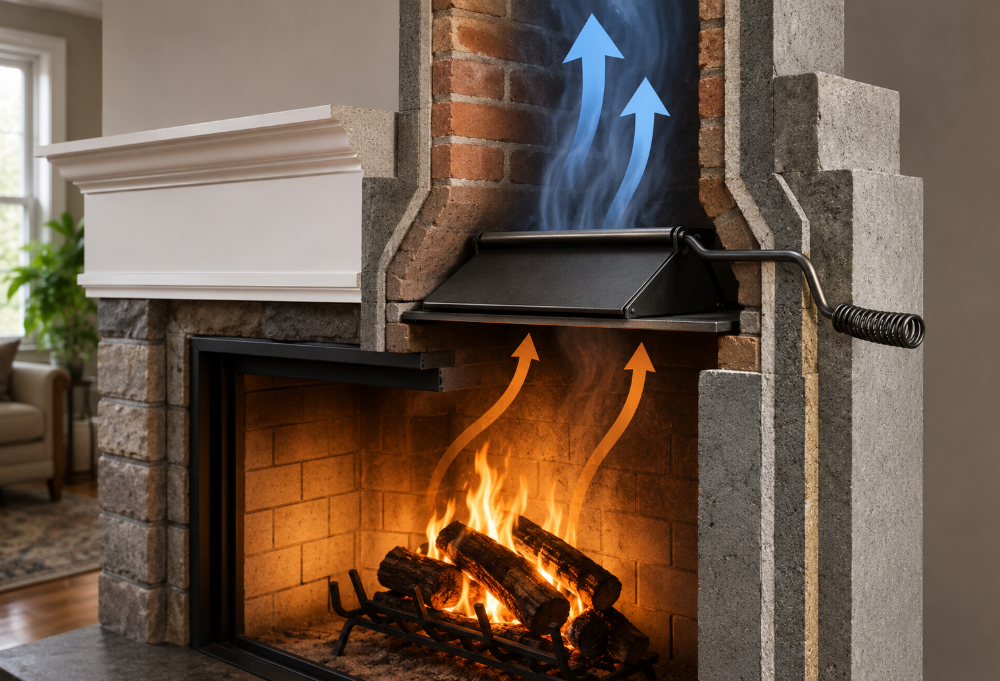
If you own a home with a fireplace, you have probably heard the term fireplace damper at some point. Maybe a technician mentioned it during an inspection, or perhaps you noticed a draft coming from your chimney and someone told you to check the damper. Either way, understanding what this component is and how it works can save you money, improve your comfort, and even protect your family from potential hazards.
This guide breaks down everything you need to know about your fireplace damper, from its basic function to the signs that it might need attention.
What Is a Fireplace Damper and What Does It Do?
A fireplace damper is a movable plate or valve located inside your chimney that controls the flow of air between your home and the outside. Think of it as a door for your chimney. When you are burning a fire, the damper should be open to allow smoke and combustion gases to escape safely. When the fireplace is not in use, the damper should be closed to prevent outside air, animals, debris, and moisture from entering your home.
Without a properly functioning fireplace damper, your home would be constantly exposed to the outdoor environment through the chimney opening. During winter, cold air would pour into your living space, making your heating system work overtime. During summer, hot air and humidity would seep in, driving up your cooling costs. The damper acts as the first line of defense against all of these issues while also playing a critical safety role when the fireplace is active.
There are two main types of dampers. The throat damper sits just above the firebox, at the base of the chimney flue. The top-sealing damper, on the other hand, is mounted at the very top of the chimney and seals the flue from above. Both types serve the same general purpose, but they differ in terms of efficiency, ease of use, and cost.
How Does a Fireplace Damper Work?
The mechanics of a fireplace damper are relatively simple, but the impact of those mechanics on your home is significant. A throat damper typically operates with a handle or rotating lever located just inside the firebox. When you push or twist the handle, it opens or closes a metal plate called the damper plate or flap. This plate pivots on a hinge, allowing you to control how much airflow passes through the flue.
A top-sealing damper works differently. It is controlled by a cable or chain that runs down the inside of the chimney and is usually attached to a clip or bracket near the firebox opening. Pulling the cable opens the damper from the top, and releasing it allows a rubber or silicone gasket to seal the chimney completely. Many homeowners prefer top-sealing dampers because they tend to create a tighter seal than traditional throat dampers, especially in older fireplaces where the metal throat damper may have warped or corroded over time.
When you light a fire, the rising heat from the flames creates a draft that pulls air upward through the flue. The open damper allows this process to happen naturally. If the damper is closed or partially blocked, smoke will back up into the room instead of rising out through the chimney, creating a safety hazard and an unpleasant experience for everyone in the home.
Signs Your Fireplace Damper May Need Repair or Replacement
Like any mechanical component, a fireplace damper can wear out over time. Knowing the warning signs can help you catch problems early before they turn into expensive repairs or safety concerns.
One of the most common signs of a failing damper is a persistent draft. If you feel cold air coming from your fireplace even when it is not in use, the damper may not be sealing properly. This could be due to warping, rust, or physical damage to the damper plate. Over years of exposure to heat, moisture, and fluctuating temperatures, metal components can deteriorate significantly.
Another red flag is smoke entering your living space when you use the fireplace. While this can sometimes be caused by a cold flue or improper wood selection, it can also indicate that the damper is stuck, partially closed, or blocked by debris. If the damper is not opening fully, it restricts airflow and forces smoke back into the room.
Difficulty operating the damper is also worth noting. If the handle is stiff, stuck, or feels loose and unresponsive, the hardware may need lubrication, adjustment, or replacement. In some cases, the entire damper assembly needs to be swapped out. A qualified chimney technician can assess the situation and recommend the best course of action.
You should also keep an eye out for signs of moisture damage inside the firebox. Rust stains, efflorescence (white mineral deposits), or water pooling at the base of the firebox can all indicate that the damper is not sealing correctly and allowing rain or snow to enter the flue.
The Energy Efficiency Connection
Many homeowners do not realize how much of an impact a faulty or open fireplace damper can have on their energy bills. According to the U.S. Department of Energy, a fireplace with an open damper can lose a significant amount of heated or cooled air, essentially creating a large hole in your home’s thermal envelope.
When the damper is closed and in good condition, it acts as an insulating barrier. When it is open, damaged, or absent, conditioned air escapes freely, and outside air rushes in to replace it. This puts additional strain on your HVAC system, leading to higher energy consumption and increased wear on your heating and cooling equipment.
Upgrading to a top-sealing damper is one of the most cost-effective improvements you can make if your current fireplace damper is old or inefficient. These models use a tight gasket seal that far outperforms traditional throat dampers in terms of energy retention. Homeowners who make the switch often notice a reduction in drafts and a more stable indoor temperature throughout the year.
If you use your fireplace infrequently, you might also consider a chimney balloon or draft stopper as a temporary measure. These inflatable devices sit inside the flue and block airflow when the fireplace is not in use. They are not a permanent fix, but they can provide relief while you plan a more lasting solution.
Fireplace Damper Maintenance Tips
Keeping your fireplace damper in good working order does not require a lot of effort, but it does require consistency. A little preventative maintenance goes a long way toward extending the life of this important component.
Start with an annual chimney inspection. A certified chimney sweep can examine the damper along with the rest of the flue system to identify any issues before they become serious. During the inspection, the technician will check for corrosion, physical damage, creosote buildup, and proper operation of the damper mechanism.
Between professional inspections, you can do a simple visual check yourself. With a flashlight, look up into the firebox and examine the damper plate. It should move smoothly when you operate the handle, and it should close completely without visible gaps.
Clean the damper area periodically to remove ash, soot, and debris that can interfere with the damper’s ability to open and close. Avoid using water directly on the damper, as this can accelerate rusting. Instead, use a dry brush or vacuum designed for fireplace use.
If you notice squeaking or resistance when operating the damper, a small amount of high-temperature lubricant applied to the hinge points can resolve the issue. Do not use standard household oils or sprays, as these can ignite when exposed to the heat of a fire.
Conclusion
Your fireplace damper plays a quiet but essential role in keeping your home safe, comfortable, and energy efficient. From controlling airflow during a fire to sealing out the elements when the hearth is cold, this component deserves more attention than it typically gets. By understanding how it works, recognizing the signs of trouble, and staying on top of basic maintenance, you can keep your fireplace performing at its best for years to come.
Need Chimney Caps & Full-Service Chimney Care Near You?
Keep your home safe and cozy with our expert team at The Chimney Cleaner Inc.! From professional chimney cleaning and detailed inspections to fireplace restorations and custom mantles, we’re dedicated to ensuring your chimney and fireplace work safely and efficiently. Whether you need reliable sweeping, gas line installation, or chimney stack remodeling, we’ve got you covered throughout Ventura County and beyond. Give us a call today; we’re ready to help you enjoy the warmth and peace of mind you deserve!