

How Salt Air, Moisture, and Wind Damage Chimneys in Coastal Ventura Homes
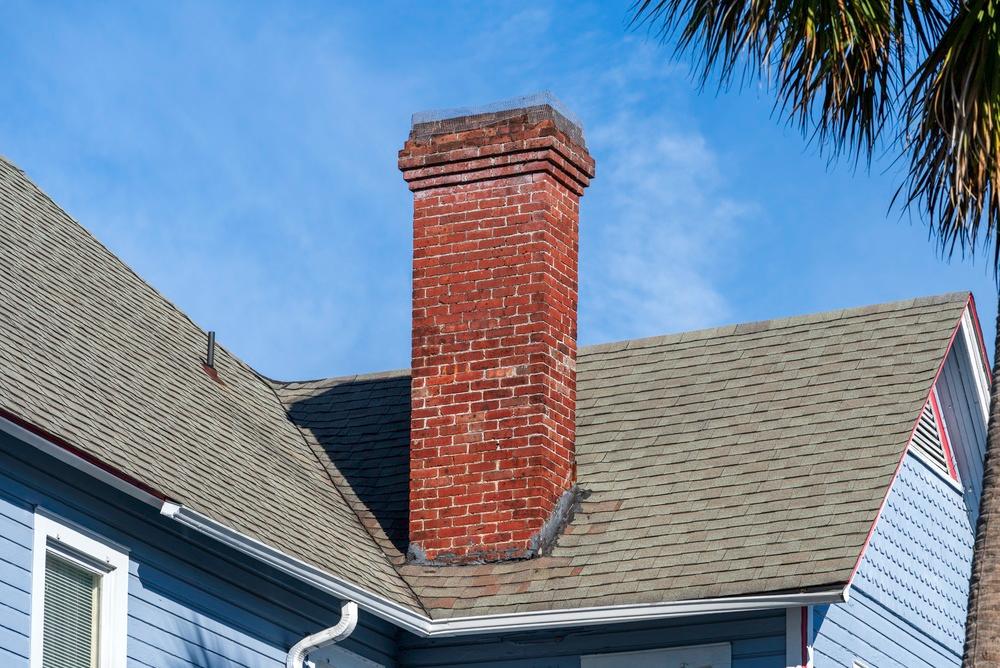
Living near the Pacific is one of the advantages of owning a home in Ventura, but the coastal environment can be hard on exterior building materials. Chimneys sit above the roofline where they receive direct exposure to salty air, marine moisture, wind, and seasonal rain, making small defects easier to turn into larger masonry or metal-component problems.
Quick answer: Salt air can accelerate corrosion on chimney caps, flashing, dampers, and other exposed metal components, while repeated moisture exposure can penetrate cracks and porous masonry. Coastal winds may also loosen caps, drive rain into vulnerable joints, and increase weathering around the chimney crown. Homes closer to the shoreline can experience these conditions more frequently, but chimneys throughout the Ventura coastal area benefit from regular chimney inspections and timely repairs.
What local homeowners should know
-
Chimney damage in coastal areas often develops gradually, so corrosion, cracked mortar, or staining may appear before a major leak or structural problem develops.
-
Homes near Ventura Harbor, Pierpont Bay, and the Ventura Pier receive more direct exposure to marine air than properties farther inland.
-
Morning marine moisture can repeatedly wet exterior chimney surfaces even when there has not been measurable rainfall.
-
Wind can expose weak chimney caps, flashing, mortar joints, crowns, and sealants that may otherwise appear intact.
-
Addressing minor deterioration early can help prevent moisture from reaching deeper masonry, framing, or interior finishes.
Why Coastal Conditions Are Hard on Ventura Chimneys
Coastal conditions are hard on Ventura chimneys because salt carried inland from the Pacific combines with moisture and wind to repeatedly expose masonry and metal components to corrosive, wet conditions. The chimney’s elevated position makes it especially vulnerable because it receives little protection from neighboring walls, roof overhangs, or landscaping.
The National Weather Service Los Angeles/Oxnard office regularly describes marine-layer clouds, coastal fog, onshore flow, and breezy afternoon or evening conditions across the Ventura County coast. Those recurring patterns help explain why exterior chimney materials near the shoreline can remain damp or experience repeated wet-dry cycles even during Southern California’s generally dry climate.
The exposure can vary significantly within the area. A home near Pierpont or Ventura Harbor may receive more salt-laden air than a property farther inland toward East Ventura. Midtown, Downtown Ventura, the Avenue, and hillside neighborhoods can also experience different combinations of wind, fog, sun exposure, and elevation.
At R. Horne Hearth and Home, we look at chimney condition in the context of these local conditions rather than treating every chimney as if it experiences the same environment.
How Salt Air Damages Chimney Components
Salt air primarily damages chimneys by accelerating corrosion on exposed metal and contributing to deterioration where moisture repeatedly enters masonry joints or small openings. Chimney caps, spark arrestors, flashing, fasteners, and other metal parts can show surface rust or more advanced corrosion after prolonged exposure.
Salt itself does not have to appear as a visible crust to cause concern. Fine airborne salt particles can settle on surfaces and combine with marine moisture, creating conditions that are unfavorable for many metals.
Once corrosion starts, a component may become weaker or less effective. A deteriorating chimney cap, for example, may eventually provide less protection against rain entering the flue. Rusted flashing can also become part of a roof leak problem if seams or attachment points begin to fail.
Homes close to the Pacific, including properties around Pierpont Bay and Ventura Harbor, deserve especially careful attention to exposed metal components.
How Moisture Damages Chimney Masonry
Moisture damages chimney masonry when water enters cracks, mortar joints, porous brick, damaged crowns, or gaps around flashing and repeatedly wets materials that should remain protected. Over time, that moisture can contribute to staining, mortar deterioration, surface damage, interior leaks, and additional cracking.
Ventura homeowners sometimes associate chimney leaks only with winter rain. Coastal moisture can be more persistent than that.
The marine layer frequently brings low clouds and high humidity to the immediate coast. National Weather Service forecasts for Ventura County beaches also commonly include periods of morning fog, low clouds, and breezy onshore conditions.
A chimney may therefore experience recurring moisture even during stretches without a significant storm.
Water intrusion deserves attention because the visible stain inside the house may not identify the original entry point. The crown, mortar joints, flashing, cap, roofing transition, or another exterior defect may need to be evaluated.
How Coastal Wind Affects Chimneys
Coastal wind can damage chimneys by stressing caps and attachments, driving rain toward vulnerable openings, and exposing already weakened mortar, flashing, or sealants. Wind is particularly important along exposed rooflines because conditions at chimney height may be stronger than what residents notice at ground level.
Ventura’s afternoon and evening breezes are a familiar part of coastal living. The National Weather Service Los Angeles/Oxnard office frequently forecasts onshore and coastal winds across the region, including breezy conditions along Ventura County beaches.
Wind usually does not create a serious chimney problem by itself when every component is sound. It often reveals an existing weakness instead.
A cap with deteriorated fasteners, flashing with a loose edge, or mortar that has already begun separating can become more vulnerable when repeated gusts and wind-driven moisture are added to the equation.
Warning Signs of Coastal Chimney Damage
Warning signs of coastal chimney damage include visible rust, cracked mortar, masonry staining, loose chimney components, water marks indoors, deteriorated crowns, and debris around the fireplace or roofline. Ventura homeowners who notice these conditions should avoid assuming they are simply cosmetic, especially when several symptoms appear together.
Watch for:
-
Rust or discoloration on the chimney cap, spark arrestor, flashing, or other metal components.
-
Crumbling, recessed, cracked, or missing mortar between bricks.
-
Cracks across the chimney crown or around its edges.
-
White, dark, greenish, or rust-colored staining on exterior masonry.
-
Water stains on ceilings or walls near the fireplace and chimney.
-
Damp odors around the fireplace after rain or periods of heavy coastal moisture.
-
A chimney cap that appears tilted, loose, bent, or damaged.
-
Pieces of mortar, masonry, or rusted material appearing around the firebox, roof, or base of the chimney.
Any change that seems to be getting progressively worse deserves closer examination.
When to Call a Chimney Professional
Call a chimney professional when you see active leaking, significant corrosion, loose exterior components, deteriorated mortar, cracked masonry, or damage that cannot be safely evaluated from the ground. Homeowners can perform basic visual checks, but climbing onto a roof or attempting masonry and flashing repairs introduces unnecessary safety risks.
From the ground, you can safely look for obvious leaning components, rust, missing caps, staining, or visible cracking. Binoculars can make an exterior check easier without accessing the roof.
Professional evaluation becomes more appropriate when the source of a leak is unclear or when deterioration affects multiple chimney components. This is particularly useful for older Ventura homes where masonry, roofing, flashing, and fireplace systems may have undergone repairs at different times.
We can evaluate chimney-related conditions and help determine whether maintenance or repair should be considered.
Common Causes of Chimney Deterioration Near the Ventura Coast
The most common causes of chimney deterioration near the Ventura coast are repeated marine moisture, salt exposure, aging mortar or masonry, failing water-management components, and wind acting on already weakened materials. Several of these conditions often occur together, which is why addressing only the most visible symptom may not solve the underlying problem.
1. Salt-laden coastal air
Properties closer to the shoreline are continually exposed to ocean air that can contribute to corrosion of metal chimney components.
2. Marine-layer moisture
Fog, low clouds, and humid mornings can repeatedly damp exterior surfaces around the immediate coast.
3. Aging masonry
Older mortar joints and crowns may already contain small cracks or porous areas that provide pathways for moisture.
4. Damaged chimney caps or crowns
These components help limit direct water entry. Once they deteriorate, the chimney can become more vulnerable during winter storms.
5. Flashing problems
Where the chimney passes through the roof, flashing helps manage water. Loose, deteriorated, or poorly sealed areas can allow moisture into the roof assembly.
6. Coastal wind
Wind can loosen vulnerable components and push rain toward openings that might remain relatively dry during calmer weather.
Prevention and Maintenance for Coastal Homes
The best way to reduce coastal chimney damage is to combine routine visual monitoring with periodic professional inspection and prompt repair of cracks, corrosion, flashing defects, or damaged water-shedding components. Preventive care is particularly worthwhile before Ventura’s wetter winter months, when an unnoticed opening can become an active leak.
Homeowners can take several safe steps:
-
Look at visible chimney surfaces periodically from the ground.
-
Check ceilings and walls near the fireplace after heavier rain.
-
Notice whether rust on exposed components is spreading.
-
Keep records or photos so you can compare cracks or staining over time.
-
Have damaged caps, crowns, flashing, or masonry evaluated rather than coating over an unknown problem.
-
Avoid climbing onto steep or wet roofing to inspect the chimney yourself.
Late summer and fall can be practical times to identify visible problems before seasonal rain becomes more frequent.
DIY maintenance should stop where roof access, masonry repair, flashing work, or fireplace-system evaluation begins.
What to Expect After Chimney Maintenance or Repair
Proper chimney maintenance or repair should address the specific pathway allowing corrosion, moisture, or weather exposure to damage the system rather than simply hiding the visible symptom. Depending on the condition found, the work may involve repairing masonry, addressing the crown or cap, correcting flashing-related issues, or replacing deteriorated components.
Results vary according to the age and condition of the chimney.
Minor deterioration caught early may require a more focused repair. A chimney that has experienced prolonged water intrusion or widespread masonry damage may require broader work.
For coastal Ventura properties, continued monitoring remains worthwhile even after repairs because exposure to ocean air, wind, and moisture does not disappear.
Common Chimney Maintenance Mistakes
Common chimney maintenance mistakes include covering stains without finding the leak, ignoring early rust, applying temporary sealants to damaged masonry, and waiting for obvious interior water damage before requesting an evaluation. These approaches can delay the discovery of problems that are easier to address while still limited in scope.
Mistake: Painting over exterior staining
Consequence: The moisture source may remain active underneath the cosmetic repair.
Better approach: Determine why the chimney is becoming wet before treating its appearance.
Mistake: Ignoring a rusting chimney cap
Consequence: Corrosion can continue until the component becomes weakened or damaged.
Better approach: Evaluate the condition and attachment of the cap before failure occurs.
Mistake: Treating every crack with surface sealant
Consequence: The treatment may not address failed mortar, crown deterioration, movement, or another underlying issue.
Better approach: Identify the type and source of the crack first.
Mistake: Waiting until the rainy season to investigate known damage
Consequence: Existing openings may allow more water intrusion once winter storms arrive.
Better approach: Inspect questionable areas during drier weather when practical.
A Common Coastal Ventura Chimney Scenario
A common coastal Ventura chimney scenario begins with minor rust or masonry staining that appears harmless but becomes more noticeable after repeated marine moisture and winter rain. Over time, a homeowner may then see cracked mortar, a deteriorating cap, or an interior stain that reveals the exterior weathering has progressed.
Consider a house near the coast with an older masonry chimney. The metal cap begins showing rust, while a small crack develops at the crown. Nothing appears urgent during dry weather.
Morning moisture, salt exposure, wind, and eventually winter rain continue reaching the area. Water starts finding its way into the existing opening. Later, the homeowner notices staining or dampness near the fireplace.
This is not a case study or a description of a specific customer’s home. It illustrates why visible exterior changes should be evaluated before they become larger moisture problems.
Related Chimney Service Solutions
Chimney service solutions for coastal weather damage may include inspection, masonry repair, chimney-cap work, crown repairs, flashing-related evaluation, and correction of other deteriorated components identified during an assessment. The appropriate solution depends on where moisture is entering and how much deterioration has already occurred.
Our goal is to identify the condition first and then explain the practical repair options that fit what is actually present.
For homeowners near the ocean, that may mean paying particular attention to exposed metals and water-entry points. Farther inland, masonry condition, roof transitions, and age may play a greater role.
Comparing DIY Monitoring With Professional Service
DIY monitoring is useful for spotting changes from the ground, while professional service is appropriate when diagnosing leaks, inspecting roof-level components, evaluating masonry deterioration, or completing repairs. The difference is less about whether a homeowner can see a problem and more about whether the cause and extent can be safely determined.
Homeowners can monitor rust, staining, obvious cracks, and changes after storms. Taking dated photographs is especially useful.
Professional evaluation is the better option when water is reaching the interior, chimney components are loose, masonry is deteriorating, or roof access would be required. Repairs involving flashing, masonry, caps, crowns, or chimney structure should not be improvised simply to get through another rainy season.
Chimney Service Areas Around Ventura
Coastal chimney concerns can affect homes throughout Ventura and nearby Ventura County communities, although properties nearest the Pacific may experience the most direct salt and marine exposure. Conditions can differ between Pierpont, Downtown, Midtown, the Avenue, East Ventura, and neighborhoods farther from the immediate shoreline.
Nearby coastal communities such as Oxnard can face similar combinations of ocean air, marine moisture, wind, and seasonal rain.
The Cost of Ignoring Coastal Chimney Damage
Ignoring coastal chimney damage can allow a small corrosion, masonry, or water-entry problem to affect a larger portion of the chimney, roofing, or nearby interior finishes. The biggest concern is not that every minor crack becomes severe, but that ongoing exposure gives an unresolved defect repeated opportunities to admit moisture.
A rusted component may continue weakening. An open mortar joint can admit additional water. A flashing problem can allow moisture into areas that are difficult to see from inside the house.
That is why timing matters. Finding and addressing deterioration while it remains localized can make the repair process more straightforward than waiting until water is visibly entering the home.
Frequently Asked Questions
Does salt air really damage chimneys in Ventura?
Yes, salt air can contribute to chimney deterioration in Ventura, particularly by accelerating corrosion of exposed metal components when salt particles combine with moisture. Homes closer to the shoreline may receive more direct exposure, although distance from the ocean, elevation, wind patterns, materials, and maintenance history all influence how quickly visible deterioration develops.
Which Ventura neighborhoods have the most coastal chimney exposure?
Neighborhoods closest to the shoreline generally receive the greatest direct marine exposure, including areas around Pierpont Bay, Ventura Harbor, the Ventura Pier, and parts of Downtown Ventura. Conditions can still affect properties farther inland because fog, marine air, and onshore winds extend beyond the beach, but exposure varies considerably from one property to another.
Can the Ventura marine layer cause chimney problems even without rain?
Yes, recurring marine moisture can keep exterior chimney materials damp even when rain is not falling. The National Weather Service Los Angeles/Oxnard office regularly reports marine-layer clouds and morning coastal moisture across the region. That exposure can combine with salt, existing cracks, porous masonry, or corrosion and contribute to gradual deterioration.
How often should a coastal Ventura chimney be checked for exterior damage?
A coastal chimney should be visually monitored regularly and evaluated when new cracks, rust, staining, loose components, or leaks appear. The appropriate professional inspection schedule depends on the chimney’s age, construction, use, and condition, so homeowners should avoid relying on a single universal interval when visible deterioration is already present.
Is rust on a chimney cap normal near the Ventura coast?
Some surface corrosion can occur in a marine environment, but expanding rust should not automatically be dismissed as normal coastal wear. Corrosion can eventually weaken a cap, fasteners, spark arrestor, or other metal component. If rust is spreading, flaking, perforating the metal, or affecting attachment points, professional evaluation is appropriate.
Why does my Ventura chimney leak only during windy rain?
A chimney that leaks mainly during windy rain may have an opening that becomes vulnerable when water is driven sideways rather than falling vertically. Potential entry areas include flashing, masonry joints, the chimney crown, cap, or roof transition. Identifying the actual source matters because interior staining may appear some distance from the exterior defect.
Are older Ventura homes more vulnerable to chimney moisture?
Older Ventura homes can be more vulnerable when original or aging chimney materials have developed cracks, porous mortar, deteriorated crowns, or previous repairs that no longer manage water effectively. Age alone does not prove a chimney has a problem, but older masonry deserves careful monitoring when combined with decades of marine moisture and coastal weather exposure.
Should I waterproof my chimney because I live near the ocean?
Water-management treatments should only be considered after the chimney’s condition and moisture-entry points are understood. Coating over damaged mortar, cracks, or an unresolved flashing problem can fail to address the cause. Coastal homeowners should first identify necessary masonry, crown, cap, or flashing repairs and then discuss appropriate protective measures for the specific materials involved.
Protect Your Ventura Chimney From Coastal Weathering
Ventura’s ocean setting creates a distinctive combination of salt air, marine moisture, wind, and seasonal rain that deserves consideration when maintaining a chimney. Watching for early corrosion, cracks, staining, and water intrusion gives homeowners a better chance to address deterioration before it spreads.
We can help evaluate visible chimney concerns and explain practical next steps based on the condition of your system.
Protect Your Chimney Before Coastal Wear Becomes a Larger Repair
Get a clearer picture of your chimney’s condition and the options available for addressing weather-related deterioration.