

Chimney Water Damage in Coastal Homes: Leaks, Cracked Mortar, Rust, and Crown Problems
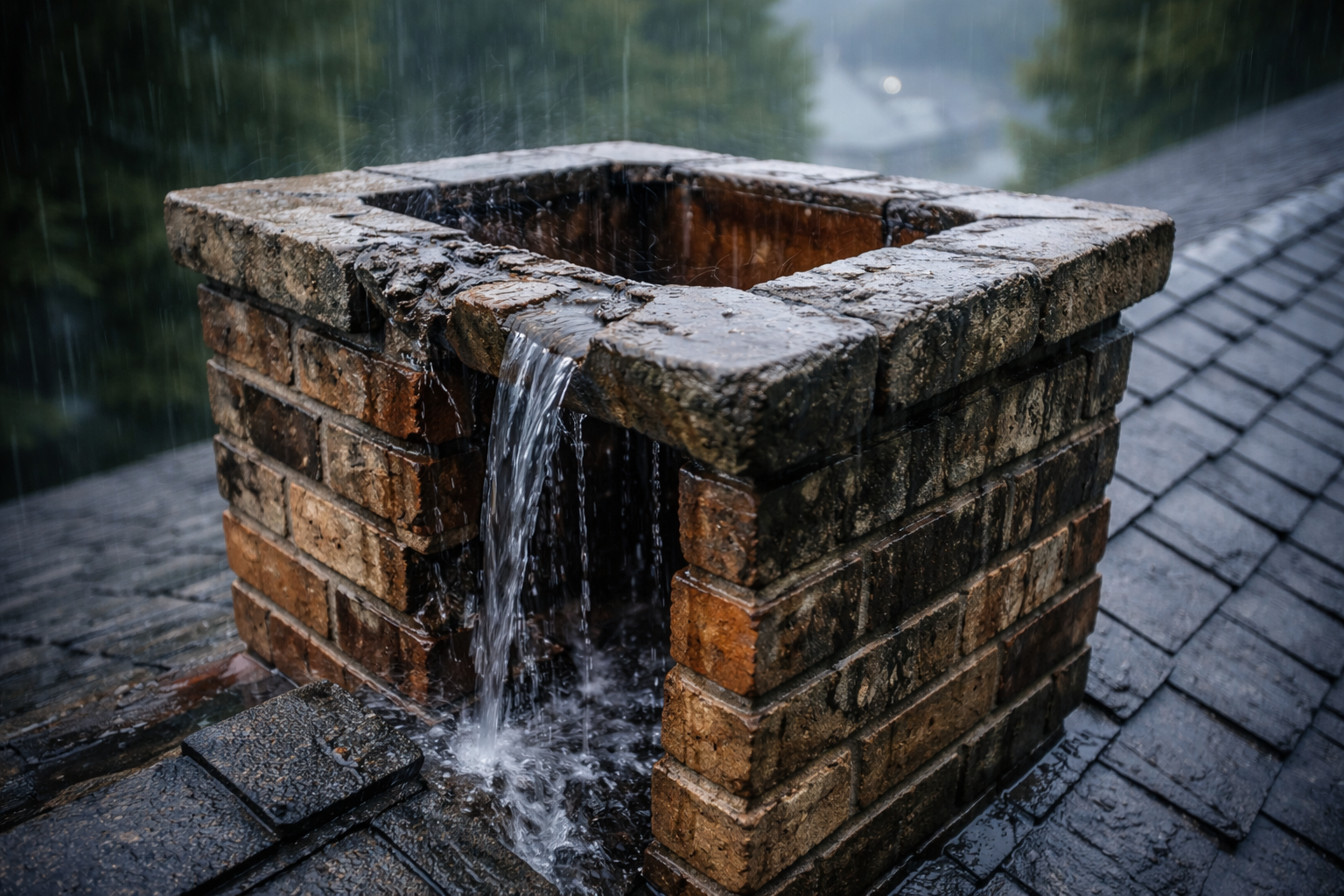
Living near the coast comes with ocean air, mild temperatures, and a climate many homeowners enjoy, but chimneys have to endure that environment year after year. In Ventura, marine moisture, salty air, seasonal rain, and wind can expose weak points in masonry and metal chimney components long before a major leak becomes obvious.
Chimney water damage often begins with a small opening at the crown, flashing, mortar joints, or metal cap. Once moisture gets inside, it can contribute to deteriorated mortar, rusted components, staining, and damage around the fireplace or surrounding structure. Coastal homeowners should pay particular attention to exterior chimney conditions before the rainy season and after periods of heavy weather.
What local homeowners should know
-
Chimney leaks do not always begin inside the flue. Water commonly enters around flashing, damaged crowns, deteriorated mortar joints, or poorly protected openings.
-
Homes closer to the Pacific, including properties near Pierpont Bay and Ventura Harbor, can experience persistent moisture and salt exposure that is harder on masonry and metal components.
-
Rust on a chimney cap, chase cover, damper, or other metal component can indicate prolonged moisture exposure.
-
Cracks that appear minor from the ground can allow water into masonry during Ventura County rain events.
-
Correcting the entry point early can help reduce the amount of surrounding material that needs repair.
Why Chimney Water Damage Matters in Ventura
Chimney water damage matters in Ventura because local chimneys are exposed to a combination of coastal humidity, marine-layer moisture, salt-laden air, wind, and seasonal rain. Those conditions can repeatedly wet vulnerable masonry and accelerate corrosion of unprotected or aging metal components.
National Weather Service forecasts for the Ventura County Beaches and Inland Coast regularly identify marine layers, overnight low clouds or fog, and high nighttime humidity along the coast. That repeated moisture exposure means a chimney does not need a major rainstorm to spend significant time in damp conditions.
Properties near the coastline can face especially direct exposure, while homes farther inland in Midtown, East Ventura, Camarillo, and surrounding communities may still experience marine influence. Once winter storms arrive, cracks and failed seals that developed during drier months can become active leak points.
R. Horne Hearth and Home helps local property owners identify chimney and fireplace issues that may allow moisture into the system. When we evaluate water-related chimney concerns, the goal is to determine where moisture may be entering and which components have already been affected.
Local Data and Coastal Field Conditions
Ventura’s coastal environment creates recurring moisture conditions that deserve attention around chimney masonry and metal components. National Weather Service reporting for the Ventura County coast documents marine layers, fog or low clouds, and periods when overnight humidity reaches very high levels.
For chimney owners, the practical takeaway is straightforward. Moisture exposure is not limited to rainy days.
A chimney near Ventura Harbor or Pierpont may be exposed to damp ocean air regularly, while metal caps and covers can also encounter salt carried inland from the coast. Seasonal storms then add direct rainfall and wind-driven water. If mortar, flashing, crowns, or seals have deteriorated, those conditions can reveal the weak point.
How Water Damage Affects a Chimney
Water damage can affect both the outside of a chimney and components that homeowners rarely see. Repeated moisture intrusion can deteriorate mortar, stain masonry, corrode metal parts, damage finishes around the fireplace, and allow water to reach nearby building materials.
A leak may first appear as a ceiling stain beside the chimney, moisture in the firebox, a rusty damper, or white deposits on masonry. The visible symptom may be several feet away from the actual entry point.
That is why simply sealing the first crack you can see is not always enough. The chimney crown, cap, flashing, mortar joints, and surrounding roof connection may all need to be considered.
Warning Signs of Chimney Water Damage
Chimney water problems often provide visible clues before extensive damage develops. Ventura homeowners should watch for:
-
Water stains on walls or ceilings close to the chimney.
-
Dampness or standing water inside the fireplace after rain.
-
Cracked, loose, or missing mortar between bricks.
-
Rust on the chimney cap, damper, chase cover, or other metal parts.
-
White, powdery deposits appearing on masonry.
-
Cracks or deterioration across the chimney crown.
-
Peeling paint, bubbling finishes, or musty odors near the fireplace.
-
Pieces of mortar or masonry collecting around the fireplace or chimney base.
One symptom does not automatically identify the source. An inspection can help distinguish chimney-related water entry from roofing, plumbing, or other building-envelope problems.
When to Call a Professional
A professional evaluation makes sense when chimney moisture is recurring, visible masonry is deteriorating, metal components are rusting, or water is reaching the interior of the home. These conditions usually require more than a simple surface check from the ground.
Homeowners can safely look for interior stains, visible rust, loose debris, and obvious exterior deterioration from a normal viewing position. Avoid climbing onto a roof or attempting repairs on elevated chimney components without appropriate equipment and experience.
In Ventura, it is particularly useful to address suspicious chimney openings before winter rain exposes them repeatedly. After a significant storm, new stains or moisture should also be investigated rather than assumed to be a one-time event.
Common Causes of Chimney Leaks in Coastal Homes
The most common chimney leaks in coastal homes involve crowns, mortar, flashing, caps, and metal components that have deteriorated enough to let moisture pass through.
1. Cracked chimney crowns
The crown covers the top of a masonry chimney and helps direct water away from the structure. Cracks can create direct paths for rainwater to enter the masonry below.
2. Deteriorated mortar joints
Mortar can crack, erode, or separate over time. In a marine environment, repeated dampness can keep vulnerable joints exposed to moisture even between storms.
3. Flashing problems
Flashing protects the joint where the chimney passes through the roof. Failed, damaged, or separated flashing can allow water to travel into the roof and ceiling area next to the chimney.
4. Rusting chimney components
Coastal air can be particularly demanding on metal. Caps, chase covers, fasteners, and dampers that remain wet or lose protective finishes may begin corroding.
5. Missing or damaged chimney caps
A properly fitted cap helps limit rain entry through the top of the flue while still allowing the chimney to vent correctly.
Homes near Port Hueneme, Oxnard, the Ventura coastline, and other exposed parts of western Ventura County can experience different combinations of wind, salt exposure, and marine moisture depending on location.
How to Help Prevent Chimney Water Damage
Preventing chimney water damage starts with keeping exterior components in sound condition and catching deterioration before the rainy season. A visual check in late summer or early fall can give homeowners time to address obvious defects before repeated storms arrive.
Look for visible cracks, loose mortar, tilted or rusting caps, and signs of water inside the fireplace. Keep an eye on the ceiling and wall surfaces surrounding the chimney after the first substantial rain of the season.
Routine inspections can also identify problems that are difficult to see from the ground, including crown damage and flashing concerns.
DIY work should stop where roof access, masonry repair, flashing, chimney disassembly, or diagnosis of hidden water entry is involved. Applying sealant without locating the real source can hide a symptom without correcting the failure.
What to Expect From Chimney Water Damage Repairs
The expected result of chimney water damage repair is a chimney system with the identified entry point corrected and damaged components addressed according to their condition. The appropriate repair depends on whether the problem involves masonry, flashing, the crown, a cap, metal components, or multiple areas.
Minor deterioration may be repairable without rebuilding large portions of the chimney. More advanced damage can require more extensive masonry or component replacement.
The important distinction is between stopping water temporarily and correcting the condition that allows water to enter. A proper evaluation helps determine which approach makes sense for the chimney’s actual condition.
Common Chimney Leak Mistakes
The biggest mistake with chimney leaks is treating the visible water stain as if it identifies the source.
Mistake: Applying caulk wherever water appears.
Consequence: Water may continue entering through another location and travel behind finished surfaces.
Better approach: Identify the exterior entry point before choosing a repair.
Mistake: Ignoring surface rust.
Consequence: Corrosion can continue until a cap, cover, fastener, or other component loses strength or develops openings.
Better approach: Determine why the metal remains exposed to moisture and whether repair or replacement is appropriate.
Mistake: Waiting until the middle of the rainy season.
Consequence: Repeated Ventura County storms can keep adding moisture to an existing problem.
Better approach: Inspect questionable chimney conditions during the drier part of the year when possible.
A Common Ventura Chimney Water Scenario
A common Ventura scenario starts with a chimney that looks generally sound from the yard but has a small crown crack, deteriorated mortar joint, or vulnerable flashing connection. Months of coastal moisture may not produce an obvious indoor leak.
Then a winter storm brings wind-driven rain. Water enters through the weak point and eventually appears as a stain near the fireplace or chimney chase.
The important part of this scenario is that the storm may reveal the defect rather than create it. The underlying deterioration may have been developing for some time.
Related Chimney Service Solutions
Chimney water problems are typically addressed by first identifying where moisture is entering and then determining which materials need attention. Depending on the findings, solutions may involve chimney inspection, masonry repair, crown repair, flashing-related work, chimney cap replacement, or attention to corroded metal components.
We focus on matching the solution to the condition rather than assuming every leak has the same cause.
Repair vs. Temporary Fix: Comparing Your Options
Professional chimney repair addresses the cause of moisture intrusion, while temporary surface fixes generally address only what is immediately visible. The right option depends on the source and extent of the problem.
A homeowner may be able to monitor a small interior stain or photograph an exterior crack for comparison. That is different from attempting to repair chimney masonry or flashing without knowing how water is moving through the system.
When leaks recur after rain, rust is spreading, masonry is breaking down, or moisture is entering finished areas, professional diagnosis becomes the more practical long-term approach.
Chimney Water Damage Service Areas
We serve homeowners in Ventura and nearby communities where coastal and marine conditions can contribute to chimney wear. Depending on the property and service needs, that may include surrounding areas such as Oxnard, Port Hueneme, and Camarillo.
Homes from the Ventura Harbor area to East Ventura can have very different exposure levels, which is why chimney condition should be evaluated at the individual property.
The Cost of Ignoring Chimney Water Damage
Ignoring chimney water damage can allow a limited leak to affect more material over time. Moisture that begins around a crown, joint, flashing connection, or metal cover may eventually reach surrounding masonry, interior finishes, or adjacent construction.
Coastal exposure adds another concern because damp conditions can continue between rain events. Rust and masonry deterioration do not necessarily stop simply because the weather turns dry for a few days.
Addressing the source while damage remains localized may help avoid a more complicated repair later.
Frequently Asked Questions About Chimney Water Damage
Why is my chimney leaking when it rains in Ventura?
A chimney that leaks during Ventura rain may have problems with flashing, mortar joints, the chimney crown, cap, or another exterior opening. Wind-driven rain can enter surprisingly small defects. Because water can travel behind roofing and masonry, the location of an indoor stain does not always reveal where the leak began.
Does Ventura’s marine layer affect chimneys?
Yes. Ventura’s marine layer can keep coastal properties exposed to high humidity, fog, and damp conditions even when it is not raining. The National Weather Service regularly identifies marine-layer conditions along the Ventura County coast. That repeated moisture exposure can be especially relevant for aging masonry and metal chimney components.
Can salt air cause a chimney cap to rust?
Yes. Salt-containing coastal air can contribute to corrosion of susceptible metal components, particularly when protective coatings have deteriorated. Chimney caps, chase covers, fasteners, and other exposed parts should be checked if rust develops, especially on homes closer to the ocean around Ventura, Oxnard, and Port Hueneme.
What causes cracks in a chimney crown?
Chimney crowns can crack because of age, material deterioration, movement, prior repairs, or repeated weather exposure. Once a crack develops, rainwater may enter instead of being directed away from the chimney. The extent and location of the crack help determine whether repair or more extensive work is appropriate.
Should I repair chimney mortar before Ventura’s rainy season?
Yes, visibly deteriorated chimney mortar is worth evaluating before the rainy season. Cracked or missing joints can provide pathways for water into the masonry. Late summer and early fall can be useful times to identify exterior deterioration before repeated Ventura County storms make an existing moisture problem more noticeable.
Why is there rust inside my fireplace?
Rust inside a fireplace can indicate that moisture has been reaching metal components such as the damper or other parts of the chimney system. The source may involve rain entry, a damaged cap, condensation, or another moisture pathway. Recurring rust deserves investigation rather than simply cleaning the visible surface.
Can chimney flashing cause a ceiling stain?
Yes. Damaged or poorly sealed flashing can allow water to enter where the chimney meets the roof, and that moisture can appear as a ceiling or wall stain nearby. Because roof leaks can have several causes, the chimney and surrounding roof connection should be evaluated before assuming flashing is definitely responsible.
Are coastal homes near Ventura Harbor more vulnerable to chimney corrosion?
Homes near Ventura Harbor can experience more direct exposure to marine moisture and salt-containing air than many inland properties. That does not mean every chimney will corrode rapidly, but exposed metal components deserve periodic attention. Material, age, protective finish, installation, and exact location all affect how quickly corrosion develops.
Protect Your Ventura Chimney From Water Damage
Coastal moisture is part of living in Ventura, but an actively leaking chimney should not be treated as normal. Identifying deteriorated crowns, mortar, flashing, caps, and rusting components early can help protect the chimney and the materials surrounding it.
Stop Chimney Moisture Before It Spreads
We can help identify visible chimney water concerns and determine what type of service may be appropriate for your home.