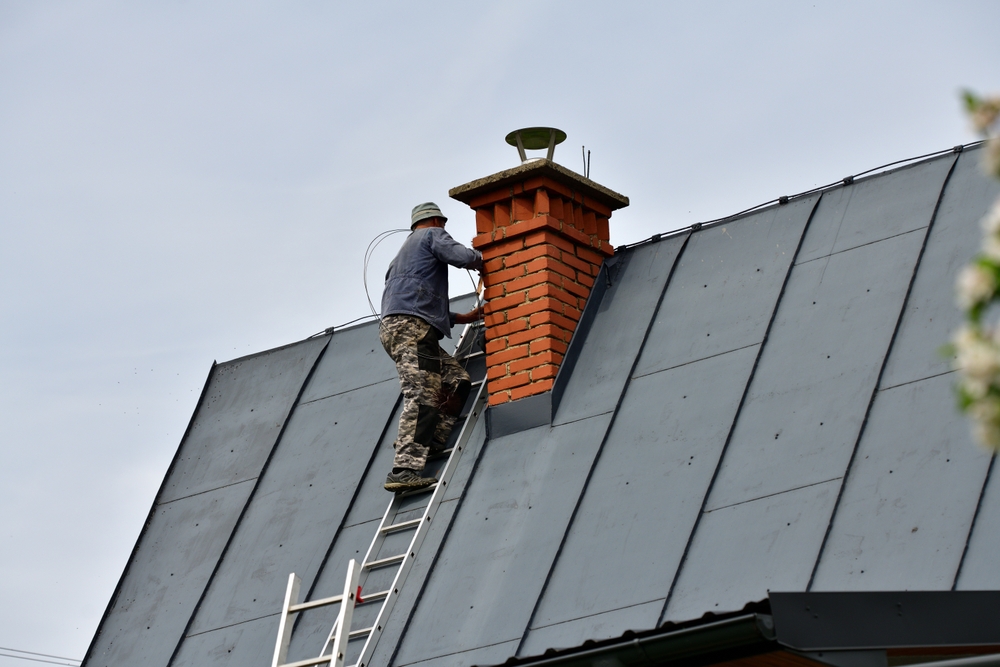
Your chimney may seem like a simple structure perched on top of your roof, but it plays a crucial role in your home’s safety, comfort, and energy efficiency. Unfortunately, many homeowners make the mistake of leaving their chimney untreated, assuming that the strong brickwork will hold up forever. The reality is that untreated chimneys are prone to a host of problems that can compromise the integrity of your home. Chimney waterproofing is not just a luxury; it is a necessity if you want to prevent serious and costly damage.
In this article, we will explore why leaving a chimney untreated is a major mistake. We will examine how moisture infiltrates brickwork, the consequences of neglect, and the benefits of preventative care. If you own a home with a chimney, this is information you cannot afford to ignore.
Moisture: The Silent Enemy of Chimneys
Water is the biggest threat to the long-term health of your chimney. Despite being built with durable materials like brick and mortar, chimneys are not immune to the damaging effects of moisture. In fact, bricks are porous, meaning they naturally absorb water. Without chimney waterproofing, rain, snow, and ice will penetrate the structure over time.
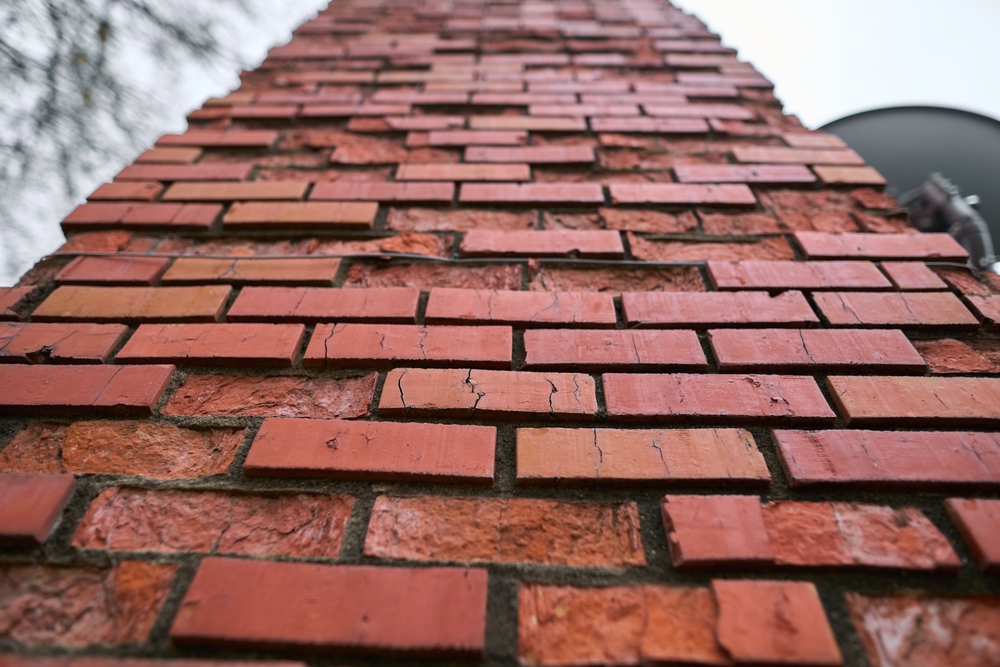
When water enters the bricks, it causes them to expand and contract with temperature changes. This freeze-thaw cycle can lead to cracking and spalling, where pieces of brick begin to flake off. The mortar joints that hold the bricks together are also susceptible to erosion. As the mortar wears away, the structural stability of the chimney begins to deteriorate.
Chimney moisture problems can also extend beyond the structure itself. Water that seeps into your chimney can drip down into your fireplace or stove, leading to rusted components and damage to interior finishes. Mold and mildew can take root in damp, dark areas, creating health risks for your household. Over time, these issues can cause extensive damage, both inside and outside your home.
Structural Damage and Collapse
One of the most severe outcomes of neglecting your chimney is structural collapse. What starts as a few hairline cracks in the masonry can grow into a widespread problem that affects the entire structure. As mortar breaks down and bricks begin to loosen, your chimney can start to lean or separate from your home.
A leaning chimney is not just an eyesore. It is a serious safety hazard that can result in falling debris or a complete collapse during a storm or earthquake. Repairing a leaning or collapsing chimney is a major expense and often involves rebuilding it from the ground up.
Additionally, chimney instability can affect other parts of your home. For example, moisture can leak into the attic, damaging insulation and ceiling beams. Over time, this can lead to sagging roofs, compromised structural integrity, and skyrocketing repair costs. Taking preventative steps like chimney waterproofing can save you from these destructive scenarios.
Fire Hazards and Carbon Monoxide Risks
When a chimney is not maintained properly, it can also pose fire and health risks. Cracks in the chimney’s interior lining or structure can allow hot gases and embers to escape into surrounding areas. If these gases come into contact with wood framing or insulation, they can ignite and start a house fire.
Another serious concern is carbon monoxide. This odorless, colorless gas is a byproduct of burning wood or gas in your fireplace. A damaged or blocked chimney can prevent carbon monoxide from venting properly. Instead of being carried safely out of your home, it can leak into living areas. Even low levels of carbon monoxide exposure can cause headaches, dizziness, and nausea. Prolonged exposure can be fatal.
By ensuring that your chimney is waterproofed and regularly inspected, you reduce the risk of these potentially deadly scenarios. A sealed and structurally sound chimney ensures that smoke and gases are expelled efficiently and safely.
Reduced Energy Efficiency
Neglected chimneys are also a major source of energy loss in many homes. Cracks and gaps in the chimney structure create draft points where heated air can escape during the winter, or hot air can enter during the summer. This makes your HVAC system work harder to maintain a consistent indoor temperature, leading to higher energy bills.
Moisture infiltration also affects the insulation surrounding the chimney. Wet insulation loses its effectiveness, allowing even more air leakage. Over time, this not only drives up energy costs but also increases wear and tear on your heating and cooling systems.
Chimney waterproofing and sealing gaps can drastically improve your home’s energy efficiency. It creates a tighter building envelope, helping you conserve energy and save money. A well-maintained chimney keeps your home more comfortable and reduces your environmental footprint.
Protecting Property Value
Your home is one of your most valuable assets, and protecting it requires regular upkeep. A neglected chimney can be a red flag to potential buyers, signaling that other areas of the home may also be in disrepair. Visible damage like leaning masonry, stained walls, or crumbling brickwork can make your home appear older and less cared for.
If you plan to sell your home, an untreated chimney can reduce its value and make it more difficult to close a sale. Buyers often request repairs as a condition of purchase, which means you could end up paying for emergency fixes or losing negotiating power. On the other hand, a well-maintained chimney with proper waterproofing is a strong selling point.
Even if you are not planning to sell, investing in chimney maintenance helps protect your property’s equity. It shows that you care for your home and prevents future problems from diminishing its value.
Conclusion
Leaving a chimney untreated may seem harmless, but the long-term consequences can be disastrous. From structural damage and moisture infiltration to fire hazards and energy loss, the risks are too great to ignore. Chimney waterproofing is a proactive step that protects your home, your health, and your wallet.
Moisture is relentless and will find its way into any vulnerable spot. Once it does, it can cause a cascade of problems that are difficult and expensive to fix. By taking preventive measures today, such as sealing cracks, applying a waterproofing treatment, and scheduling regular inspections, you can avoid the pain of costly repairs tomorrow.
Your chimney deserves the same attention as any other part of your home. Treat it with care, and it will serve you safely and efficiently for years to come.
Need Chimney Caps & Full-Service Chimney Care Near You?
Keep your home safe and cozy with our expert team at The Chimney Cleaner Inc.! From professional chimney cleaning and detailed inspections to fireplace restorations and custom mantles, we’re dedicated to ensuring your chimney and fireplace work safely and efficiently. Whether you need reliable sweeping, gas line installation, or chimney stack remodeling, we’ve got you covered throughout Ventura County and beyond. Give us a call today; we’re ready to help you enjoy the warmth and peace of mind you deserve!
As more homeowners seek convenience, efficiency, and ambiance from their heating systems, gas fireplaces have emerged as an attractive alternative to traditional wood-burning setups. Among the various gas fireplace log options available, vented ceramic logs remain a popular choice for those wanting the realistic charm of wood fires with minimal upkeep. But what exactly are vented ceramic logs, and how do they operate within a gas fireplace system?
Vented ceramic logs are artificial logs made primarily of ceramic materials engineered to withstand intense heat without deteriorating. These logs are specifically designed for use in vented gas fireplaces, which mimic the operation of traditional fireplaces by allowing combustion gases to escape through a chimney or flue. Unlike ventless systems that circulate air into the living space, vented fireplaces expel exhaust gases outside, creating a safer and more authentic flame experience.
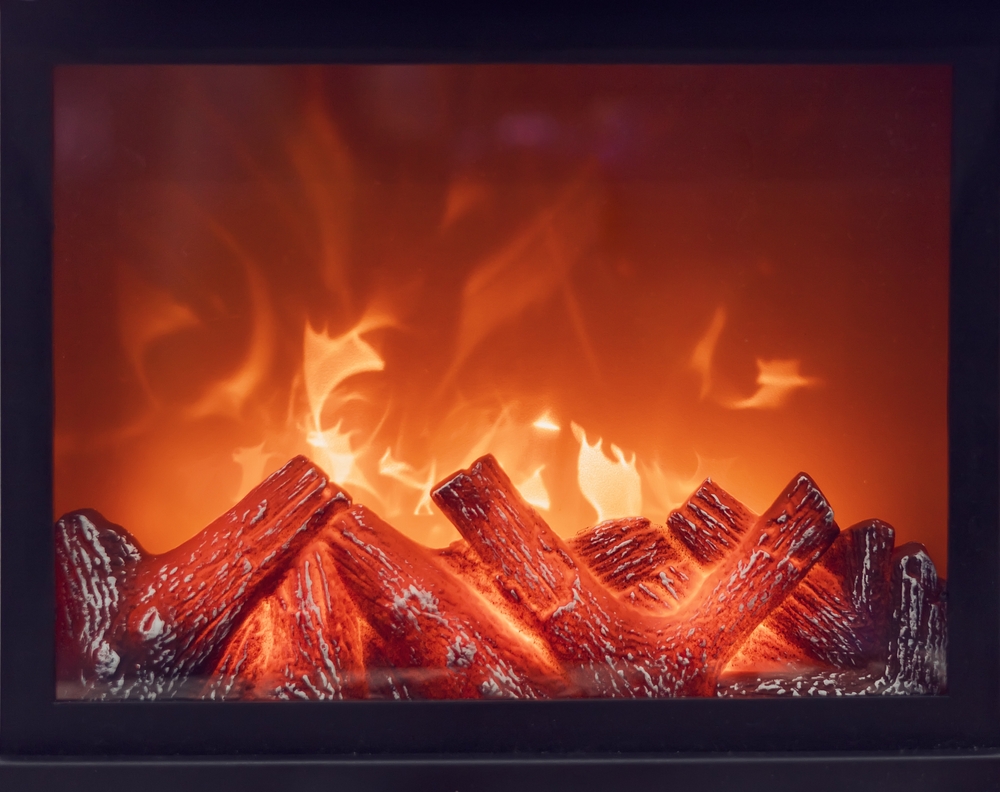
The operation of vented ceramic logs begins with a gas burner installed beneath the log set. When ignited, the flames rise up and around the logs, often wrapping around them much like they would in a wood-burning fireplace. Since the ceramic material retains heat well, the logs glow and radiate warmth, contributing both to the aesthetic appeal and heating efficiency of the fireplace. This setup provides a visually stunning fire display that closely resembles natural wood burning, complete with flickering flames and glowing embers.
The Materials Behind the Realism
One of the primary reasons vented ceramic logs are so convincing in appearance is the composition of the materials used. Ceramic is chosen not just for its ability to withstand high temperatures, but also for its capacity to be molded and painted in fine detail. Each log is typically hand-painted to replicate the texture, color, and charring patterns found in real firewood. Popular wood styles such as oak, birch, and driftwood are recreated to offer homeowners a wide range of design options that suit their interior décor.
Because ceramic can be engineered to radiate heat efficiently, it contributes to the ambient warmth provided by the fireplace, even though the primary heat is generated by the gas burner. Some advanced ceramic logs are infused with refractory properties that allow them to retain heat even after the fire is turned off, gradually releasing it into the room. This characteristic helps improve the overall comfort of a space while still delivering the visual experience of a genuine wood-burning fire.
Over time, ceramic logs do not degrade or crumble the way traditional wood would. With proper maintenance and occasional cleaning to remove soot or debris, these logs can maintain their realistic appearance and structural integrity for many years.
Key Differences Between Vented and Ventless Logs
When exploring gas fireplace log options, it’s essential to understand the differences between vented and ventless systems. Vented ceramic logs are designed specifically for fireplaces that have a functioning chimney or flue system. These systems draw combustion air from the room and release combustion byproducts outside. As a result, vented ceramic logs are ideal for homeowners who prioritize flame realism and atmospheric quality over maximum heating efficiency.
In contrast, ventless gas log systems are designed to operate without a chimney, using a sealed combustion process that recirculates air back into the room. While ventless systems are generally more efficient in terms of heat output, they produce a more controlled and often less natural-looking flame. Additionally, ventless logs are subject to more rigorous safety regulations, including oxygen depletion sensors and limitations on run times due to concerns about indoor air quality.
Vented ceramic logs, while slightly less efficient, offer the closest visual approximation to a real wood fire. The flames dance higher and more freely, unencumbered by the need to contain emissions within the living space. For many homeowners, the superior realism and ambiance provided by vented systems far outweigh the trade-offs in heating performance.
Installation and Operational Considerations
Installing a vented ceramic log set requires a few critical steps to ensure safety and proper functionality. First and foremost, the fireplace must be connected to a working chimney or flue that can adequately vent combustion gases. This setup mimics traditional fireplaces and helps maintain indoor air quality by ensuring that smoke, carbon monoxide, and other byproducts are safely expelled from the home.
The gas line connection must be professionally installed and inspected, usually involving either natural gas or liquid propane as the fuel source. Once the gas line is in place, the log set is arranged on a grate above the burner. Most log sets include a specified layout guide, as positioning the logs incorrectly can block flame paths or lead to inefficient combustion.
Operationally, vented ceramic logs can be lit using a manual key valve, a wall switch, or even a remote control, depending on the system’s design. Many modern units include electronic ignition and adjustable flame height for enhanced control and convenience. However, because vented fireplaces release heat up the chimney, they should not be relied on as the sole source of heat in colder climates.
Routine maintenance includes cleaning the logs and burner area to prevent soot buildup and ensuring that the chimney remains clear of obstructions. Annual inspections by a certified technician are also recommended to maintain performance and safety standards.
Choosing the Right Log Set for Your Home
With so many gas fireplace log options available, selecting the right vented ceramic log set involves balancing aesthetics, compatibility, and performance. The first step is to verify that your fireplace is configured for vented use. If you already have a functioning chimney or flue, then a vented log set is likely the best match.
Next, consider the size of your fireplace. Log sets are available in various sizes, and choosing one that fits your firebox dimensions is crucial for both appearance and safety. Measure the width, depth, and height of your fireplace and consult manufacturer guidelines or a professional installer to determine the ideal set.
Style is another important factor. Whether you prefer the classic look of split oak, the smooth finish of river driftwood, or the rustic texture of charred birch, there’s a vented ceramic log set to complement your home’s aesthetic. Some log sets also include glowing ember beds or additional flame effects to enhance realism even further.
Finally, weigh the benefits of various ignition systems and control features. A remote-controlled log set can offer unmatched convenience, while a manual ignition system might be better for those who prefer simplicity or are working with a tighter budget. Whatever your choice, investing in quality vented ceramic logs can transform your fireplace into a stunning visual focal point.
Conclusion
Vented ceramic logs offer an elegant and realistic alternative to traditional wood fires, delivering the charm of a crackling flame without the mess and maintenance. With high-quality ceramic construction, detailed craftsmanship, and compatibility with vented gas fireplaces, these logs provide homeowners with one of the most visually authentic gas fireplace log options on the market.
While vented systems may not offer the highest heat efficiency, they shine when it comes to ambiance and aesthetics. Their ability to recreate the look and feel of a genuine wood fire makes them a preferred choice for those seeking comfort and atmosphere. When properly installed and maintained, vented ceramic logs can offer years of reliable performance and timeless appeal.
If you’re considering enhancing your fireplace with a touch of realism and sophistication, vented ceramic logs may be the perfect solution to bring warmth and beauty into your living space.
Need Chimney Caps & Full-Service Chimney Care Near You?
Keep your home safe and cozy with our expert team at The Chimney Cleaner Inc.! From professional chimney cleaning and detailed inspections to fireplace restorations and custom mantles, we’re dedicated to ensuring your chimney and fireplace work safely and efficiently. Whether you need reliable sweeping, gas line installation, or chimney stack remodeling, we’ve got you covered throughout Ventura County and beyond. Give us a call today; we’re ready to help you enjoy the warmth and peace of mind you deserve!
As colder seasons approach, many homeowners begin preparing their fireplaces for use. While fireplaces create a warm and inviting atmosphere, they also come with responsibilities that are often overlooked, and one of the most crucial is chimney maintenance. Ignoring signs of chimney damage can result in costly repairs or dangerous situations. Understanding how to know if chimney is unsafe can be the difference between a cozy night and a potential fire hazard. If your chimney is showing signs of distress, addressing the problem early could protect your home and family.
Crumbling Brick or Mortar
One of the most visible and serious chimney damage signs is deterioration in the bricks or mortar that form the chimney structure. If you see bricks flaking, breaking apart, or even falling off the chimney, it’s a red flag. Similarly, gaps or cracks in the mortar, the cement-like material holding bricks together, can compromise the structural integrity of the entire chimney.
This damage often stems from prolonged exposure to harsh weather, especially in colder climates where water seeps into small cracks, freezes, and then expands. This freeze-thaw cycle causes gradual but significant deterioration. Over time, a weakened structure could collapse or allow dangerous gases like carbon monoxide to leak into your home.
Sometimes, this kind of damage isn’t obvious until it’s too late. If you notice even a few cracked or loose bricks near the chimney base or crown, it’s time to consult a chimney professional. Ignoring these early chimney damage signs could lead to extensive repairs or a complete rebuild.
White Staining or Efflorescence
Efflorescence is a white, chalky deposit that appears on the exterior of brick surfaces, including chimneys. While it might look like harmless staining, it’s actually a sign that water is penetrating the brickwork and bringing salts to the surface. This staining indicates moisture problems, which are a serious concern for any chimney system.
Chimneys are designed to withstand a variety of weather conditions, but they are not waterproof. When moisture enters the chimney through cracked bricks, damaged flashing, or an absent chimney cap, it can lead to mold growth, interior water damage, and structural weakening. Over time, this water damage accelerates deterioration of both the interior flue and the exterior masonry.
If you’re wondering how to know if chimney is unsafe, white stains on the chimney are a critical warning sign. It means water is already affecting your chimney and could be leading to problems like rot in nearby wood framing or rust in metal chimney components. Having the chimney inspected and waterproofed as soon as efflorescence is noticed is essential.
Strange Odors from the Fireplace
Another warning sign that demands immediate attention is the presence of unpleasant or strange odors emanating from your fireplace. These can range from a strong smoky smell to a damp, musty odor or even the scent of rotting organic material.
These smells often originate from a buildup of creosote, moisture penetration, or even animal nesting. Creosote is a highly flammable byproduct of burning wood and, if allowed to accumulate, can pose a significant fire hazard. Moisture inside the flue or firebox can lead to mold and mildew growth, both of which present health risks and degrade the chimney lining over time.
Additionally, if animals like birds, squirrels, or raccoons have built nests inside your chimney, this can block airflow and increase the risk of carbon monoxide backing up into your home. Odors are one of the more noticeable chimney damage signs that often indicate larger underlying issues. Do not ignore them; a professional inspection will help identify and correct the root cause before it escalates.
Interior Wall or Ceiling Damage Near the Chimney
Chimney problems often extend beyond the fireplace itself. One telltale sign that your chimney may be compromised is water damage on the interior walls or ceilings adjacent to the chimney structure. This can include peeling paint, discoloration, bubbling drywall, or even visible mold.
Leaks that originate from the chimney can seep into your home’s interior slowly over time. Damaged flashing (the metal barrier where the chimney meets the roof) or cracks in the chimney crown can allow rainwater to enter. Once inside, water can travel along beams, insulation, and walls, creating visible damage that’s often mistaken for general roof issues.
If you’re unsure how to know if chimney is unsafe, inspecting the surrounding indoor areas can provide vital clues. Water stains, mold patches, and deteriorating materials near the chimney are not normal and usually point to an active leak. Delaying repairs not only worsens chimney problems but can also lead to extensive interior home repairs, making early action critical.
Smoke or Poor Drafting During Use
A properly functioning chimney should allow smoke, gases, and other combustion byproducts to exit your home efficiently. If smoke begins entering your living space when you light a fire, this is a serious indicator that your chimney is not functioning as it should.
There are several possible causes. The chimney flue may be blocked by creosote, animal nests, or debris. The damper could be stuck or malfunctioning. Structural issues, such as an incorrect chimney height or damaged flue liner, can also disrupt airflow. In some cases, the issue may be related to negative air pressure within your home, especially in tightly sealed or newly renovated houses.
Poor drafting is one of the most dangerous chimney damage signs, as it can result in carbon monoxide leaking back into your home. This odorless, colorless gas is extremely hazardous and potentially deadly. If you experience difficulty starting a fire or notice smoke lingering in the room, stop using the fireplace immediately and schedule a chimney inspection. The risk to your health and safety is too high to ignore.
Conclusion
Recognizing chimney damage signs early can help prevent costly repairs, protect your home, and ensure your family’s safety. From crumbling masonry and white staining to strange odors and poor smoke drafting, each of these issues points to underlying problems that require professional assessment. Learning how to know if chimney is unsafe isn’t just helpful; it’s necessary for every homeowner who uses a fireplace.
Neglecting chimney maintenance is more than just a fire hazard; it invites water damage, health concerns, and even structural compromise. A routine chimney inspection, ideally performed annually by a certified chimney professional, is one of the best ways to catch these problems before they escalate. Don’t wait until it’s too late. If your chimney is displaying any of the signs outlined above, act now to ensure a safe and warm home this season.
Need Chimney Caps & Full-Service Chimney Care Near You?
Keep your home safe and cozy with our expert team at The Chimney Cleaner Inc.! From professional chimney cleaning and detailed inspections to fireplace restorations and custom mantles, we’re dedicated to ensuring your chimney and fireplace work safely and efficiently. Whether you need reliable sweeping, gas line installation, or chimney stack remodeling, we’ve got you covered throughout Ventura County and beyond. Give us a call today; we’re ready to help you enjoy the warmth and peace of mind you deserve!
Buying or selling a home is one of the biggest financial decisions people make in their lives. Whether you are on the buying or selling side of a real estate transaction, a real estate chimney inspection can be a crucial component of due diligence. In Ventura and other parts of California, a Level 2 chimney inspection is often recommended or required during a property transfer. Understanding what a Level 2 inspection involves, why it’s important, and what information you can expect from the chimney inspection report can help you navigate your real estate transaction more smoothly and with confidence.
Why a Chimney Inspection is Essential in Real Estate Transactions
When a home changes hands, buyers expect to understand the condition of every major system in the house — plumbing, electrical, HVAC, and yes, the chimney. The chimney is often overlooked because it seems static and structurally sound from the outside. However, appearances can be deceiving. A hidden defect inside the flue or structure can create fire hazards, ventilation problems, and costly repairs down the road.
In real estate transactions, a chimney inspection for home sale ensures that both parties are fully informed of the chimney’s condition. For buyers, it offers peace of mind that the fireplace is safe to use and not in need of immediate repairs. For sellers, it is a way to disclose the condition of the chimney honestly, preventing potential disputes or deal-breakers during escrow. In California, especially in regions like Ventura, the seismic activity and exposure to coastal elements add another layer of importance to verifying chimney safety and integrity through professional inspection.
What Exactly is a Level 2 Chimney Inspection?
A Level 2 chimney inspection is more comprehensive than a basic visual inspection (Level 1), yet not as invasive as a Level 3 inspection, which may require demolition. It is specifically required when a property is being sold, transferred, or when there has been a significant change in the heating appliance or chimney system. The National Fire Protection Association (NFPA) 211 standard mandates this level of inspection during a real estate transaction.
A certified chimney professional conducts a Level 2 chimney inspection using specialized tools and cameras to evaluate the entire chimney system. This includes examining areas that are not visible during a standard home inspection or a Level 1 inspection. The process typically involves the use of a video scanning system that provides real-time images of the interior chimney flue, checking for obstructions, damage, creosote buildup, and structural integrity issues.
In Ventura, real estate agents and home inspectors commonly recommend or even require this inspection as part of a home sale checklist. The coastal climate can accelerate wear on exterior masonry and flashing, while seismic activity can cause hidden cracks in chimney structures. This makes the Level 2 chimney inspection not just an added value, but often a necessity in California.
The Detailed Steps of a Level 2 Chimney Inspection
When a certified inspector arrives to conduct a Level 2 chimney inspection, they begin with an assessment of the accessible areas of the chimney. This includes the fireplace or stove, the chimney cap, and the masonry or chase. Next, the inspector will use a specialized camera system to inspect the flue from top to bottom. This allows them to identify internal damage such as cracks in the liner, blockages, or evidence of past chimney fires.
Additionally, the inspector will evaluate the attic, crawlspace, and roof areas that are adjacent to the chimney to check for any structural compromise or improper clearance to combustibles. Unlike a Level 1 inspection, which only reviews readily visible areas, a Level 2 inspection ensures that hidden defects are not missed.
After the inspection is complete, the homeowner or buyer receives a full chimney inspection report. This document is comprehensive and includes digital images, findings, recommendations for repairs (if needed), and a summary of the chimney’s overall condition. The chimney inspection report in California often also complies with local and state disclosure requirements for real estate transactions, ensuring legal protection for both buyers and sellers.
What the Chimney Inspection Report Tells You
The chimney inspection report is the final product of a Level 2 inspection, and it serves as an official document for real estate disclosures. It usually starts with basic information such as the address, date of inspection, and type of appliance connected to the chimney (e.g., wood-burning fireplace, gas insert, or pellet stove). It then outlines any deficiencies discovered, including creosote buildup, cracks, missing mortar joints, or water penetration damage.
In some cases, the report might include safety hazards such as flue obstructions, damaged chimney liners, or evidence of past chimney fires. These issues can be deal-breakers in a home sale, or they can lead to renegotiations where the seller agrees to fix the chimney before the close of escrow. In Ventura’s competitive real estate market, homes with up-to-date chimney inspection reports tend to sell faster and with fewer obstacles.
The report also includes recommendations for repairs and maintenance, giving both buyer and seller a clear roadmap. This can be particularly helpful for new homeowners who want to understand their maintenance responsibilities. In California, where environmental laws and building codes are more stringent, having a valid chimney inspection report on file can also simplify insurance underwriting and future property assessments.
The Role of Chimney Inspections in Ventura Real Estate
Ventura is a unique market due to its coastal location, active real estate environment, and specific building regulations. Chimneys in this area are exposed to moisture, salt air, and occasional seismic tremors. These elements contribute to wear that may not be visible externally. For this reason, a real estate chimney inspection in Ventura takes on added significance. Chimney professionals in the area are trained to look for region-specific issues, such as rusted components, corroded flashing, and cracking in masonry due to thermal stress or ground movement.
In this context, a Level 2 chimney inspection acts as both a safety check and a compliance measure. Buyers moving into Ventura homes with functional fireplaces often want assurance that they can safely use them during the cooler coastal evenings. Sellers, on the other hand, want to avoid liability or delay due to hidden chimney problems. Real estate agents routinely advise their clients to complete the inspection early in the sales process to avoid complications during the home’s final walkthrough or escrow period.
Moreover, California’s real estate disclosure laws are strict. Sellers must disclose known defects, and failing to provide an updated chimney inspection report could lead to legal complications later on. A Level 2 chimney inspection provides an impartial, professional assessment that protects all parties involved.
Conclusion
A Level 2 chimney inspection is an essential part of a real estate transaction, especially in areas like Ventura, California. Whether you’re buying or selling a home, this type of inspection gives you a clearer picture of the chimney’s condition, identifies potential hazards, and ensures compliance with both safety standards and local regulations. The chimney inspection report serves as a valuable document that can prevent disputes, support transparent disclosures, and facilitate smoother closings.
Skipping this inspection might save time in the short term, but it can lead to costly consequences down the road. In today’s informed real estate market, both buyers and sellers are better off understanding exactly what to expect from a Level 2 chimney inspection. When done correctly, this step not only protects the physical structure of the home but also enhances the trust and transparency that are essential for any successful real estate transaction.
If you’re involved in a chimney inspection for home sale or want to request a chimney inspection report in California, make sure to work with certified professionals who understand the regional challenges. In Ventura, where the coastal climate and seismic activity present unique concerns, a real estate chimney inspection isn’t just recommended — it’s often indispensable.
Need Chimney Caps & Full-Service Chimney Care Near You?
Keep your home safe and cozy with our expert team at The Chimney Cleaner Inc.! From professional chimney cleaning and detailed inspections to fireplace restorations and custom mantles, we’re dedicated to ensuring your chimney and fireplace work safely and efficiently. Whether you need reliable sweeping, gas line installation, or chimney stack remodeling, we’ve got you covered throughout Ventura County and beyond. Give us a call today—we’re ready to help you enjoy the warmth and peace of mind you deserve!
Living by the coast has its perks: breathtaking ocean views, fresh sea breezes, and the soothing sound of waves crashing nearby. However, these coastal conditions also come with their own set of challenges, particularly for homeowners in Ventura, CA and Santa Barbara. One of the most overlooked areas impacted by the coastal environment is the chimney. While it may seem like a sturdy, unyielding structure, your chimney is highly vulnerable to the effects of salt air and moisture.
Understanding how the coastal climate can damage your chimney is essential for proactive maintenance. Regular chimney inspections, timely chimney repairs, and applying preventive solutions like chimney waterproofing can save you from costly restorations down the line. In this article, we’ll explore how coastal weather impacts chimneys and share actionable chimney maintenance advice tailored to homeowners in Ventura and Santa Barbara.
Salt Air and Chimney Damage: A Hidden Threat
Salt air is a major factor contributing to chimney deterioration in coastal regions. The salty mist carried by ocean breezes can settle on surfaces, penetrating into brick, mortar, and metal components of your chimney. Over time, this salt accumulation leads to corrosion and structural weakening.
Brick chimneys are particularly susceptible. While bricks may appear strong, they are porous by nature. Salt-laden moisture seeps into these pores, causing efflorescence (white, powdery deposits) and accelerating the freeze-thaw cycle during colder months. When the water trapped inside the bricks freezes, it expands, leading to cracking and spalling — the flaking or breaking off of surface layers.
Metal components such as the chimney cap, flashing, and flue liners are also vulnerable. Salt air speeds up rusting and corrosion, compromising their functionality. A rusted cap or deteriorated flashing can allow rainwater to infiltrate your chimney system, leading to mold growth, structural damage, and costly chimney repairs.
To reduce these effects, it is crucial to schedule regular chimney inspections, especially for homes exposed to coastal winds and salty air.
The Importance of Regular Chimney Inspections in Santa Barbara
Routine chimney inspection is not just a good practice — it’s a necessity for Santa Barbara homeowners. The coastal environment makes chimneys more prone to subtle yet progressive damage. An annual chimney inspection, performed by a certified chimney sweep, can detect early signs of wear and prevent them from escalating into major issues.
During a chimney inspection, professionals look for several warning signs: cracked bricks, deteriorated mortar joints, rusted metal components, and signs of moisture intrusion. They also check for blockages that could pose fire hazards, such as bird nests or creosote buildup.
In Santa Barbara, where the climate alternates between wet winters and sunny, salty summers, it’s particularly important to stay ahead of chimney damage. Scheduling a chimney inspection before the rainy season can ensure your chimney is watertight and ready to withstand the elements.
If problems are discovered, prompt coastal chimney repair is vital. The longer you wait, the more extensive (and expensive) the damage can become. A neglected chimney can lead to leaks in your home’s interior, compromised air quality, and even structural hazards.
Chimney Maintenance for Ventura, CA Homes: Unique Challenges and Solutions
Ventura, CA experiences a blend of coastal and Mediterranean climate influences. While the moderate temperatures are appealing, the city’s proximity to the ocean means homeowners need to be vigilant about chimney maintenance.
In Ventura, chimney damage often begins with unnoticed moisture penetration. Even if you don’t use your fireplace often, rain, wind, and salt air continually expose your chimney to the risk of decay. Crumbling mortar, rust streaks, and moss or algae growth on the chimney surface are all signs that maintenance is overdue.
One crucial chimney maintenance strategy for Ventura homes is to repoint mortar joints regularly. Repointing involves removing damaged mortar and replacing it with fresh, weather-resistant mortar to restore the chimney’s integrity. Additionally, homeowners should ensure their chimney crowns are in good shape, as these protect the entire system from rain and debris.
Using weather-resistant materials during repairs and installations is another smart strategy. For instance, stainless steel is preferable for chimney caps and liners due to its resistance to corrosion. Installing a properly fitted chimney cap can prevent animals, leaves, and moisture from entering the flue, while also blocking downdrafts.
Chimney Waterproofing Tips to Prevent Long-Term Damage
One of the most effective preventive measures for coastal chimney repair is chimney waterproofing. This involves applying a specially formulated waterproofing sealant to the chimney’s exterior. Unlike paint or general-purpose sealants, these products are breathable — they allow moisture inside the bricks to escape while preventing new water from entering.
Waterproofing your chimney is particularly important in coastal areas because of the constant exposure to moisture and salt air. The goal is to create a barrier that resists rain, sea spray, and humidity, without trapping water inside the chimney. Trapped moisture can cause internal damage and lead to more severe structural issues over time.
Ideally, waterproofing should be done every 5 to 10 years, depending on the product used and the severity of local weather conditions. However, if your home is within a mile or two of the coast, a more frequent schedule may be warranted.
Before applying any waterproofing agent, it’s essential to complete any necessary repairs. Sealing over cracks or damaged areas can trap moisture and exacerbate the problem. Work with a qualified chimney professional to inspect the structure, carry out repairs, and then apply a high-quality waterproofing treatment.
Why Coastal Chimney Repair Should Never Be Delayed
Coastal chimney repair is not just about aesthetics or prolonging the life of your chimney — it’s about protecting your home. When chimney damage is left unaddressed, it doesn’t stay isolated. Moisture can seep through compromised mortar and bricks, reaching the attic, walls, and ceilings of your house. This not only weakens your home’s structure but also invites mold and mildew, which can pose serious health risks.
Additionally, a damaged chimney affects your fireplace’s performance. Cracks and gaps can alter the airflow, reduce efficiency, and even increase the risk of carbon monoxide leakage into your living space. For wood-burning fireplaces, damaged flue liners can also allow sparks to escape, creating a fire hazard.
Chimney maintenance in Ventura, CA and Santa Barbara is especially important because coastal weather accelerates all forms of wear. Even minor problems, like a missing chimney cap or small mortar crack, can evolve quickly in the presence of salt air and high humidity.
Procrastinating on chimney inspection or repair only increases the likelihood of needing extensive restoration work later. Stay ahead of the game with regular inspections, timely repairs, and preventive waterproofing strategies.
Conclusion
Owning a home in the beautiful coastal cities of Ventura and Santa Barbara means enjoying a unique lifestyle — but it also comes with responsibilities, especially when it comes to chimney care. The corrosive effects of salt air, seasonal rains, and coastal winds can silently degrade your chimney’s structure and components if you’re not vigilant.
Implementing a consistent chimney maintenance routine, scheduling annual chimney inspections in Santa Barbara, and embracing proactive solutions like chimney waterproofing are essential for protecting your home. Whether you’re a long-time resident of Ventura, CA or new to coastal living, investing in professional coastal chimney repair and maintenance will help you preserve the integrity of your home for years to come.
Don’t wait for visible signs of damage. A well-maintained chimney is a safer, more efficient, and longer-lasting one. Make coastal chimney care a priority, and your home will continue to provide warmth, safety, and beauty — no matter what the coastal weather brings.
Need Chimney Caps & Full-Service Chimney Care Near You?
Keep your home safe and cozy with our expert team at The Chimney Cleaner Inc.! From professional chimney cleaning and detailed inspections to fireplace restorations and custom mantles, we’re dedicated to ensuring your chimney and fireplace work safely and efficiently. Whether you need reliable sweeping, gas line installation, or chimney stack remodeling, we’ve got you covered throughout Ventura County and beyond. Give us a call today—we’re ready to help you enjoy the warmth and peace of mind you deserve!