

Chimney Restoration for Damaged Brick, Mortar, Crowns, and Flue Systems
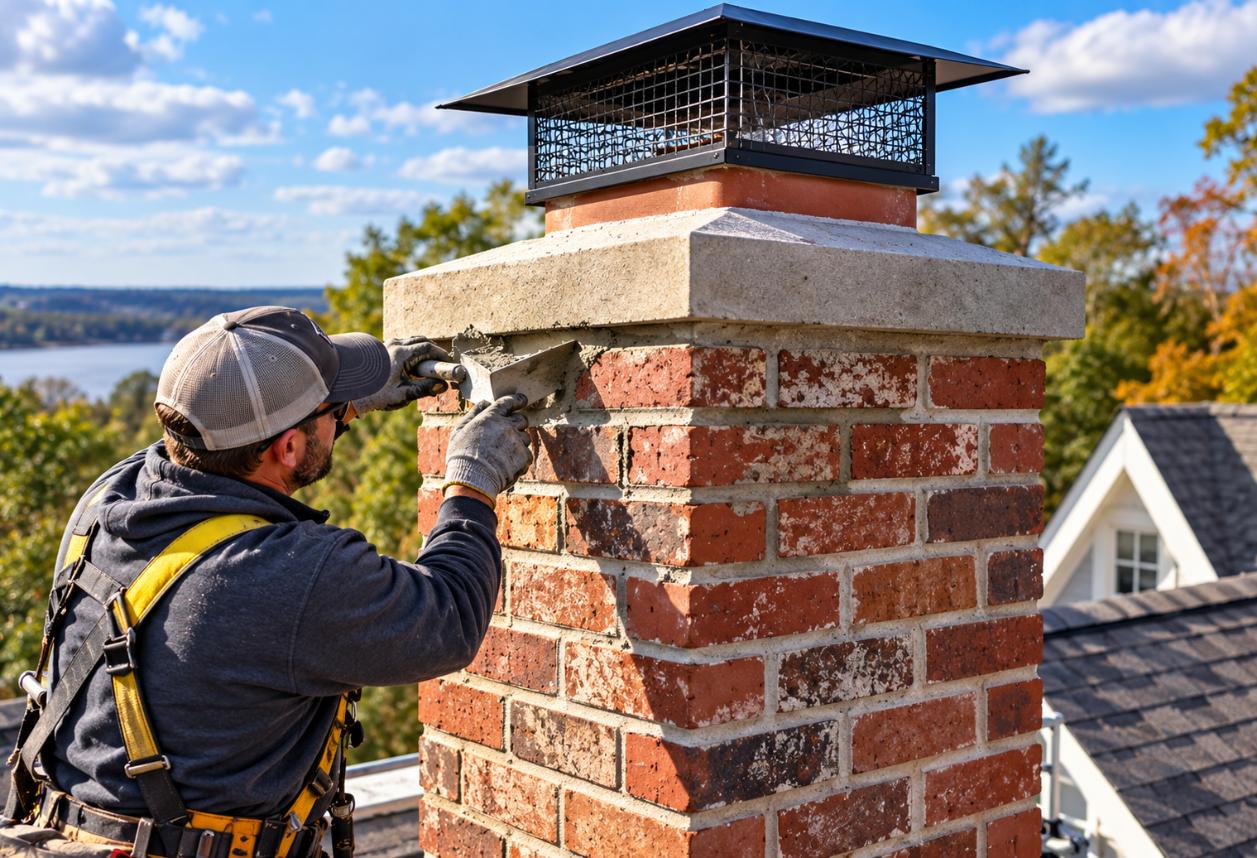
A chimney can look solid from the yard while moisture, cracked mortar, crown deterioration, or flue damage is developing inside the system. For homeowners in Ventura, coastal humidity, periods of high overnight moisture, wind, and seasonal rain make it especially important to address small defects before they spread through masonry or reach interior components.
Chimney restoration addresses damaged brick, deteriorated mortar joints, cracked or failing crowns, and compromised flue components according to the condition of each part of the system. The right approach is not simply covering visible cracks. It is identifying where deterioration started, determining how far it extends, and repairing the affected components so the chimney can continue functioning as intended.
What local homeowners should know
-
Cracked mortar joints can create pathways for moisture and allow masonry deterioration to progress.
-
Ventura’s coastal environment regularly brings high overnight humidity and marine-layer conditions, according to National Weather Service observations for the Ventura County coast.
-
A damaged chimney crown can allow water to reach masonry below the top of the chimney.
-
Flue damage deserves professional evaluation because the flue is part of the system that contains and directs combustion products.
-
Older masonry chimneys may have several problems at once, so repairing only the most visible crack may leave other deterioration unaddressed.
Why Chimney Damage Matters in Ventura
Chimney damage matters in Ventura because exterior masonry is repeatedly exposed to coastal moisture, wind, sun, and seasonal weather while the flue experiences very different conditions during fireplace use. Those exposures can affect brick, mortar, crowns, flashing areas, and interior chimney components in different ways.
National Weather Service forecasts for the Ventura County Beaches and Ventura County Inland Coast regularly document marine-layer conditions and high nighttime humidity. Homes closer to the coast, including areas near Pierpont Bay and the Ventura Harbor, can experience a different exposure pattern than properties farther inland toward East Ventura.
That local environment is one reason chimney deterioration should be evaluated as a complete system rather than as an isolated cosmetic defect.
At R. Horne Hearth and Home, we can help homeowners understand which portions of a damaged chimney need attention and which components may still be serviceable. Our goal is to match the restoration approach to the actual condition of the chimney rather than assuming every visible defect requires the same repair.
What Local Weather Tells Us About Masonry Exposure
Local weather observations show that coastal Ventura County routinely experiences substantial nighttime humidity and marine-layer conditions, creating recurring moisture exposure for exterior masonry. National Weather Service observations and forecasts for Ventura, Oxnard, Point Mugu, Port Hueneme, Camarillo, and East Ventura document these coastal conditions.
That does not mean humidity alone causes every chimney problem. Construction details, masonry age, previous repairs, water entry, crown condition, flashing, and maintenance history can all affect deterioration.
For homeowners, the practical takeaway is straightforward: cracks and open mortar joints on an exposed chimney should not automatically be dismissed because Southern California has a relatively mild climate.
How Chimney Deterioration Can Affect a Home
Chimney deterioration can affect the masonry structure, water resistance, fireplace system, and surrounding portions of a home when damage is allowed to progress. A small opening near the chimney top, for example, may expose mortar and masonry below to additional moisture over time.
Properties around Midtown, the hillside neighborhoods, East Ventura, and coastal areas can have chimneys of different ages and construction styles. The exact restoration needs therefore vary from house to house.
Potential consequences of ongoing deterioration include widening mortar cracks, loose masonry, staining, interior moisture symptoms, additional crown deterioration, and problems involving the flue system.
Warning Signs a Chimney May Need Restoration
Common warning signs of chimney deterioration include cracked mortar, loose or damaged brick, crown cracks, water staining, and visible flue defects. Any significant change in the masonry or fireplace system is worth evaluating before additional weather exposure or fireplace use makes the condition harder to diagnose.
Watch for:
-
Mortar joints that are cracked, recessed, loose, or missing
-
Brick faces that are cracked, deteriorating, or separating
-
Visible cracks across the chimney crown
-
Gaps around the upper chimney or adjacent materials
-
White staining or other signs of repeated moisture movement
-
Water staining near the fireplace or chimney
-
Pieces of masonry or mortar appearing on the roof or ground
-
Visible cracks or deterioration in accessible flue components
Some surface changes are easy to see from the ground, but roof-level and internal flue damage may not be.
When Chimney Damage Needs Professional Attention
Chimney damage needs professional attention when masonry is loose, cracks are expanding, the crown is deteriorated, water intrusion is suspected, or the flue may be compromised. Homeowners can visually monitor an intact chimney from a safe location, but climbing onto a roof or attempting structural and flue repairs introduces additional risks.
This distinction matters throughout Ventura County because chimney repair can involve more than patching masonry. A professional evaluation can determine whether deterioration is limited to mortar joints or involves brick, the crown, flashing areas, the flue, or structural portions of the chimney.
Ventura County Building & Safety oversees building codes and permitting in applicable county jurisdictions. The appropriate permit and code requirements can depend on the property location and scope of work, so substantial reconstruction should be evaluated against current local requirements.
Common Causes of Chimney Deterioration Along the Ventura Coast
Common local causes of chimney deterioration include moisture entry, aging mortar, crown defects, prolonged exterior exposure, and movement or previous repairs that no longer keep water out effectively. Coastal humidity can add to the exposure, but the actual cause should be identified before deciding how to repair the chimney.
1. Crown deterioration: Cracks or failed areas at the chimney top can give moisture a route into the masonry below.
2. Aging mortar joints: Mortar can deteriorate before surrounding brick, leaving recessed or open joints that need appropriate repair.
3. Water entry: Rain and repeated moisture exposure can reveal vulnerabilities around the crown, masonry, flashing, or other transitions.
4. Previous patching: Surface patches may deteriorate or fail to address the deeper source of cracking.
5. Flue deterioration: Interior components experience heat and combustion conditions that exterior masonry does not, so flue problems require their own evaluation.
Preventing Additional Chimney Damage
Preventing additional chimney damage starts with keeping water out, monitoring masonry condition, and addressing small defects before loose materials or deeper deterioration develops. In coastal Ventura County, an exterior check before the wetter part of the year can help homeowners spot changes after months of sun, wind, and marine-layer exposure.
From the ground, look for crown cracks, leaning or displaced materials, deteriorated mortar, staining, and obvious changes since the previous season.
DIY maintenance should stop where roof access, masonry removal, structural work, or flue-system repair begins. Applying a generic sealant over an unidentified crack can also hide rather than solve the underlying problem.
What to Expect From Chimney Restoration
Chimney restoration should correct the damaged components that are actually contributing to deterioration while preserving sound portions when appropriate. Depending on the findings, work may involve mortar-joint repair, replacement of damaged masonry, crown work, or attention to the flue system.
The extent of restoration cannot be determined accurately from one exterior crack alone. A chimney with localized mortar deterioration requires a different approach from one with extensive crown damage, loose masonry, or compromised flue components.
The realistic goal is a repair scope based on condition, not a promise that every chimney needs complete rebuilding or that a minor patch will solve every problem.
Chimney Restoration Mistakes to Avoid
The biggest chimney restoration mistakes are treating symptoms instead of causes, using incompatible repairs, and ignoring components that cannot be seen easily from the yard. A better approach considers how the brick, mortar, crown, and flue work together.
Mistake: Filling every crack with surface sealant.
Consequence: The visible opening may be covered while the underlying defect remains.
Better approach: Identify why the crack developed and repair the affected material appropriately.
Mistake: Focusing only on brick.
Consequence: Crown or flue deterioration may remain unresolved.
Better approach: Evaluate the complete chimney system.
Mistake: Waiting for pieces of masonry to become loose.
Consequence: A smaller repair can potentially become more extensive.
Better approach: Investigate developing cracks and mortar loss earlier.
A Common Local Chimney Scenario
A common local scenario is an older masonry chimney that appears generally intact from the yard but has deteriorated mortar and cracking near its most weather-exposed upper sections. This is an illustrative scenario, not a specific R. Horne Hearth and Home project or customer case study.
A homeowner may first notice a crown crack, staining, or missing mortar. Closer evaluation may show that the visible defect is only one part of the issue. The repair decision then becomes whether localized restoration is sufficient or whether brick, crown, or flue components also need work.
That system-level evaluation is more useful than simply covering the first crack that becomes visible.
Restoration Solutions for Brick, Mortar, Crowns, and Flues
Restoration solutions should be matched to the damaged chimney component, because brick, mortar, crowns, and flue systems serve different purposes and require different repair decisions. A thorough scope may combine several types of work when deterioration extends across multiple components.
Mortar restoration addresses failed joints. Damaged masonry may require individual brick repair or replacement. Crown work addresses deterioration at the chimney top. Flue-related work focuses on the interior passage and components involved in safely containing combustion products.
We can evaluate how these pieces relate so homeowners have a clearer picture of the work their chimney actually needs.
Repairing Versus Rebuilding a Damaged Chimney
Repair is generally appropriate when deterioration is limited enough for sound portions of the chimney to remain, while more extensive reconstruction may be considered when damage affects larger or structurally important areas. The correct choice depends on the location, depth, and extent of the damage rather than appearance alone.
Localized mortar loss is fundamentally different from widespread loose masonry. Likewise, crown deterioration does not automatically tell you the condition of the flue below it.
A condition-based assessment helps separate maintenance-level restoration from more substantial work.
Chimney Restoration Service Areas
Chimney restoration service can address homes in Ventura and surrounding communities where masonry and fireplace systems need professional evaluation. Nearby communities such as Oxnard, Camarillo, and other parts of Ventura County have their own combinations of coastal and inland exposure.
The Cost of Leaving Chimney Damage Unaddressed
Leaving chimney damage unaddressed can allow moisture pathways, deteriorated joints, crown cracks, or loose masonry to progress and potentially increase the eventual repair scope. The concern is not that every small crack becomes an emergency, but that masonry defects rarely become easier to diagnose after additional deterioration.
For local homeowners, timing an evaluation before heavier seasonal rain or renewed fireplace use can provide a clearer understanding of the chimney’s condition.
Frequently Asked Questions About Chimney Restoration
What parts of a chimney can be restored?
Brick, mortar joints, chimney crowns, and components of the flue system may all be candidates for restoration depending on their condition. The appropriate work begins with identifying which materials are damaged, how extensive that damage is, and whether surrounding portions of the chimney remain sound.
Does coastal weather affect chimneys in Ventura?
Yes, coastal weather affects the exposure conditions around chimneys in Ventura. National Weather Service reporting for the local coast regularly documents marine-layer conditions and high nighttime humidity. Moisture is only one factor in deterioration, so the chimney’s construction, age, crown, flashing, mortar, and previous repairs should also be considered.
Can damaged chimney mortar simply be patched?
Damaged chimney mortar may require localized repair, but simply covering deteriorated joints is not always the right solution. The existing mortar condition, depth of deterioration, surrounding brick, and reason for failure should be evaluated so the repair addresses the damaged joint rather than just its visible surface.
How do I know whether my chimney crown is damaged?
Chimney crown damage may appear as visible cracking, deterioration, openings, or evidence that moisture is reaching masonry below the top. Because the crown sits at roof level, homeowners should avoid unsafe access. A professional inspection can provide a closer assessment when defects cannot be safely viewed from the ground.
Should I use my fireplace if the flue appears damaged?
A fireplace with suspected flue damage should be professionally evaluated before continued use. The flue is responsible for containing and directing combustion products through the chimney system, so visible cracks, deterioration, displaced components, or other suspected defects should not be treated as cosmetic masonry problems.
Do chimney repairs in Ventura require a permit?
Permit requirements in Ventura depend on the property’s jurisdiction and the scope of chimney work. Significant reconstruction can involve applicable building requirements, while minor maintenance may be treated differently. Homeowners planning substantial work should verify current requirements with the appropriate city or county building authority before work begins.
Is fall a good time to inspect a chimney in Ventura County?
Fall can be a practical time to evaluate a chimney before increased fireplace use and seasonal rain. An inspection at that point can identify visible masonry, crown, or flue concerns before the system is relied upon more frequently and before additional wet-weather exposure reaches existing cracks or open joints.
Can only the damaged bricks be replaced?
Individual damaged bricks may sometimes be addressed without rebuilding the entire chimney when the surrounding masonry and structure remain suitable. The decision depends on how localized the deterioration is and whether mortar, crown, flue, or structural conditions indicate a broader problem that also needs restoration.
Chimney restoration works best when the entire system is considered instead of treating each crack in isolation. For homes near the Ventura coast and throughout the surrounding county, understanding the condition of the masonry, crown, and flue helps homeowners make a more informed repair decision.
Protect Your Chimney Before Small Damage Spreads
We can help identify which parts of your chimney need attention and explain the restoration options based on what is actually found.