

Common Issues with 1980s–1990s Factory-Built Fireplaces
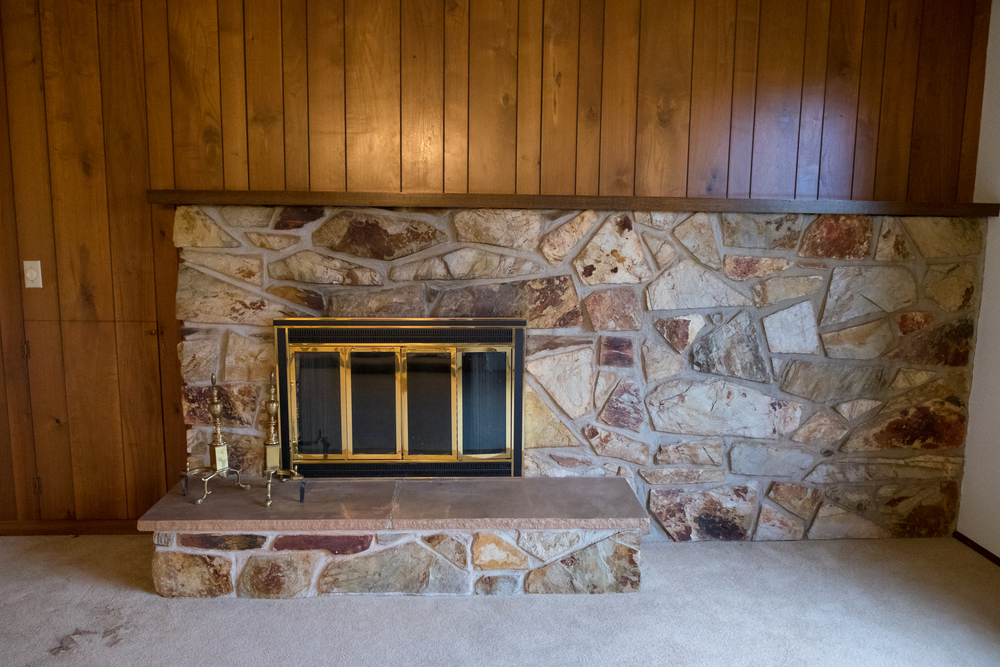
Factory-built fireplaces became increasingly popular during the 1980s and 1990s as homeowners sought convenient heating solutions without the expense of masonry work. These prefab fireplaces offered quick installation, standardized designs, and the appeal of modern convenience. However, decades of use have revealed numerous reliability issues that plague many of these units today. Understanding the common problems with factory built fireplace designs from this era can help homeowners make informed decisions about fireplace repair, replacement, or restoration.
This blog explores the most frequent issues affecting 1980s-1990s prefab fireplace problems and what you need to know about maintaining these aging systems.
Understanding Prefab Fireplace Construction
Factory-built fireplaces manufactured during the 1980s and 1990s were engineered with cost efficiency and mass production in mind. These units featured metal fireboxes surrounded by insulation and outer casings, quite different from traditional masonry fireplaces. The construction typically included a metal chimney system, damper mechanisms, and heat distribution components all assembled at the factory before shipping to job sites. While this approach reduced installation time and labor costs, it also created specific vulnerabilities that have become apparent over the past thirty to forty years of use.
The materials used in these prefab fireplace problems often included steel components with protective coatings, firebrick linings, and metal dampers. These materials perform well when properly maintained, but time takes its toll on all components. Homeowners who purchased homes with these fireplaces or installed them originally may now face the reality of aging systems requiring attention.
Deterioration of Metal Components and Rust Issues
One of the most common issues facing 1980s-1990s factory-built fireplaces is the deterioration of metal components through rust and corrosion. The metal box itself, along with the damper mechanism and firebox walls, can develop rust spots over decades of exposure to heat, moisture, and combustion byproducts. This is especially true in humid climates or areas with significant rainfall that increases moisture infiltration through the chimney system.
When rust begins to form on critical components, structural integrity becomes compromised. The damper assembly, which controls airflow and prevents drafts when the fireplace is not in use, often suffers from rust and corrosion that makes it stick or fail to seal properly. A malfunctioning damper allows warm air to escape from the home during winter months and permits cold air infiltration in summer, significantly reducing energy efficiency.
Additionally, rust developing on the interior walls of the firebox can eventually create holes or weak spots that allow dangerous combustion gases to escape into the walls and living spaces. This poses both safety and health risks to occupants. Regular inspection of metal surfaces inside the fireplace cavity can help catch rust issues early before they become serious problems requiring replacement of entire sections.
Firebrick Deterioration and Liner Failure
The firebrick linings found in many 1980s-1990s factory-built fireplaces were designed to withstand high temperatures and reflect heat into the home. However, repeated heating and cooling cycles over decades cause thermal stress on these materials. Firebricks gradually deteriorate through a process called spalling, where small pieces of brick break away from the surface. This creates a rough interior surface that can trap creosote and combustion byproducts.
Factory-built fireplaces of this era sometimes used lower-grade firebrick or insufficient quantities compared to what would be ideal for long-term performance. As these materials fail, gaps appear between bricks and the metal box, allowing heat to escape through the structure instead of into the home. In some cases, mortar joints crumble and deteriorate, requiring professional repointing or complete firebox relining.
The deterioration of liners is particularly problematic because it directly affects fireplace efficiency and safety. When gaps form in the firebrick lining, combustion gases can reach the outer metal casing, potentially causing rust on the exterior components. This creates a cascade of problems that requires intervention to prevent further damage and ensure the fireplace operates safely.
Chimney System Problems and Venting Issues
The chimney systems used with 1980s-1990s prefab fireplaces often featured metal pipes with single-wall or double-wall construction depending on the model and installation method. Over time, these metal chimneys can develop corrosion from the acidic byproducts of combustion and moisture exposure. Creosote buildup, which is a natural byproduct of wood burning, accumulates more readily in corroded or damaged chimneys.
Improper installation of these chimney systems was not uncommon in that era, and many homes have chimneys that do not meet current building codes. Inadequate clearance from combustible materials like wood framing or insufficient insulation around the chimney pipe can create fire hazards. Additionally, settling of the house over time can cause the metal chimney pipes to shift or separate at connection points, compromising the integrity of the entire venting system.
Venting issues also arise when creosote accumulation becomes severe enough to restrict airflow. This causes smoke and gases to back up into the living space instead of being properly expelled through the chimney. A poorly venting fireplace not only creates an unpleasant experience but also poses serious risks including carbon monoxide exposure.
Inefficiency and Energy Loss Concerns
Many homeowners are surprised to discover that their 1980s-1990s factory-built fireplaces are actually quite inefficient at heating homes. These units were designed to provide ambiance and supplemental heat rather than serve as primary heating sources. The open-firebox design allows substantial heat loss through the chimney even when the fireplace is functioning properly.
The efficiency problems stem from inadequate insulation in the outer casing, single-pane glass doors that permit significant heat transfer to the outdoors, and design limitations that prevent proper heat circulation into living spaces. Some factory-built fireplaces produced during this era had efficiency ratings as low as ten to twenty percent, meaning that eighty to ninety percent of the heat generated was wasted. This represents both an economic loss for homeowners and an environmental concern.
Additionally, the damper and door seal systems in many of these units deteriorate over time, making energy loss worse as the fireplace ages. Air leaks around the fireplace opening allow conditioned air from the home to escape continuously, whether the fireplace is in use or not. Upgrading to modern inserts or improving seals and dampers can significantly improve efficiency, but these upgrades require investment and professional installation.
Safety Concerns and Code Compliance Issues
Safety issues are paramount when discussing factory-built fireplaces from the 1980s and 1990s. Building codes and safety standards have evolved substantially since these units were manufactured. Many of these older prefab fireplaces no longer meet current safety requirements for clearance to combustible materials, chimney height, or venting specifications.
Fire hazards can result from inadequate clearance between the fireplace and nearby wooden wall framing or cabinetry. As materials deteriorate, the risk of fire increases if proper clearances are not maintained. Additionally, the installation of modern televisions above older fireplaces has become common, creating potential fire risks that were not originally contemplated in the fireplace design.
Carbon monoxide risks also warrant serious consideration. As chimneys deteriorate and venting becomes compromised, the potential for dangerous gases to back up into living spaces increases. Regular professional inspections and testing can identify these hazards before they become emergencies.
Conclusion
Factory-built fireplaces from the 1980s and 1990s have served many homeowners well, but age has revealed significant vulnerabilities in their construction and materials. Common problems include rust and metal deterioration, firebrick failure, chimney complications, energy inefficiency, and safety concerns. If you own a prefab fireplace from this era, professional inspection and assessment should be your first step to determine whether repair, restoration, or replacement is appropriate for your situation.
Need Chimney Caps & Full-Service Chimney Care Near You?
Keep your home safe and cozy with our expert team at The Chimney Cleaner Inc.! From professional chimney cleaning and detailed inspections to fireplace restorations and custom mantles, we’re dedicated to ensuring your chimney and fireplace work safely and efficiently. Whether you need reliable sweeping, gas line installation, or chimney stack remodeling, we’ve got you covered throughout Ventura County and beyond. Give us a call today; we’re ready to help you enjoy the warmth and peace of mind you deserve!