

The Cycle of Water Damage in Chimneys: How a Small Leak Turns Into a Big Problem
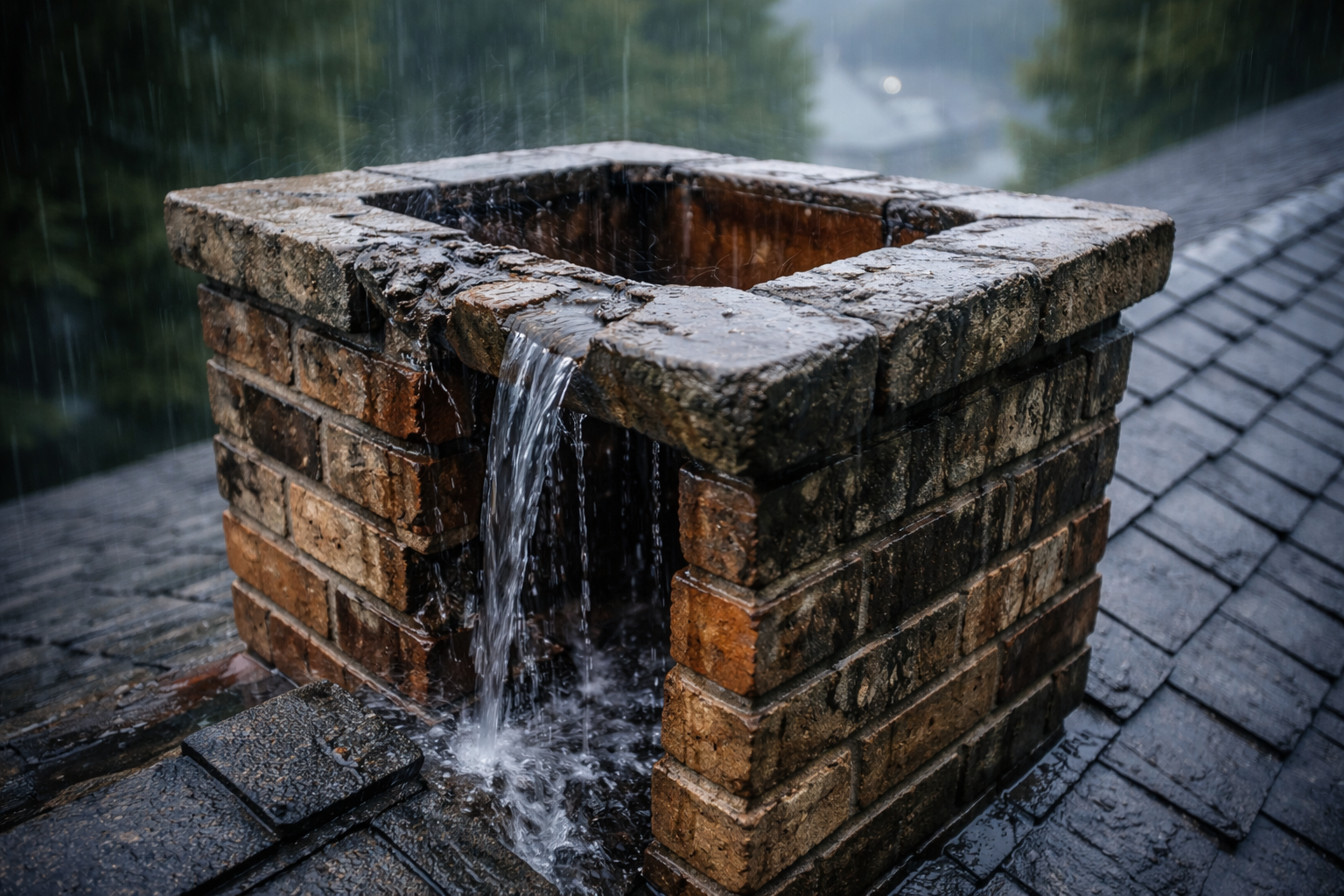
Water is a silent destroyer when it comes to homes, and chimneys are no exception. While they may appear strong and weatherproof from the outside, chimneys are highly vulnerable to moisture. A small unnoticed leak can grow into a major structural problem, requiring expensive repairs and creating safety hazards. Understanding the cycle of chimney water damage is the first step toward preventing it. From minor drips to major deterioration, let us explore how chimney leaks develop, why they worsen over time, and how homeowners can protect their investment.
The Origin of Chimney Leaks
Chimney leaks typically start in subtle ways, making them hard to detect. The most common entry point is the chimney crown, a concrete or mortar slab that covers the top of the chimney. If the crown is cracked, water can easily seep through, especially during rain or snow. Over time, weather and thermal stress cause tiny fissures to develop in this area. These fissures may not be visible from ground level, but they allow a slow trickle of water to enter the chimney structure.
The flashing, which seals the connection between the chimney and the roof, is another common vulnerability. Improper installation or natural aging can cause the flashing to lift or corrode, creating another avenue for water intrusion. The brick and mortar joints of the chimney itself also degrade with time. Mortar is porous, and without a protective sealant, it can absorb water like a sponge.
Additionally, the chimney cap plays an important role. This small metal cover is designed to prevent rain and debris from entering the flue. When a chimney cap is missing, damaged, or poorly installed, rainwater flows freely into the chimney flue and interior system. This sets the stage for moisture to wreak havoc inside and around the chimney.
The Hidden Dangers of Moisture Inside the Chimney
Once water finds its way into the chimney system, the damage accelerates. The materials used in chimney construction are not designed to handle prolonged moisture exposure. Brick and mortar may be sturdy, but they are also highly absorbent. When water penetrates these materials, it begins to erode the structure from within.
During colder months, the freeze-thaw cycle becomes a serious threat. Water that has soaked into masonry expands as it freezes, causing cracks to widen and bricks to shift. This not only leads to visible damage but also destabilizes the chimney. Over time, entire bricks may pop out or crumble.
Inside the chimney, water can corrode the metal components, including the damper and the flue liner. A rusted damper may stop working properly, making it difficult to open or close the chimney. A compromised flue liner reduces the chimney’s ability to safely channel smoke and gases outside, increasing the risk of carbon monoxide leaks and chimney fires.
Mold and mildew are another consequence of chimney water damage. Moisture creates a perfect breeding ground for biological growth, especially in dark and enclosed spaces. The odor of mildew can spread through the home, and mold spores may pose health risks, especially to those with allergies or respiratory issues.
How Minor Leaks Escalate Over Time
One of the biggest problems with chimney leaks is that they rarely stay small. What starts as a hairline crack or a bit of rust often grows larger under repeated exposure to rain, snow, and temperature shifts. The longer a leak is left unaddressed, the more severe the consequences become.
Each rainstorm deposits more water into the same vulnerable points. Without proper drainage or protection, the moisture remains trapped in the structure. Even during dry periods, water absorbed into bricks and mortar does not evaporate quickly. It lingers, continuing to break down materials slowly.
As the masonry degrades, water intrusion increases. The damage then spreads beyond the chimney to the surrounding areas of the roof, attic, and interior walls. Ceiling stains, warped drywall, and peeling paint are all signs that chimney leaks have progressed further than initially expected.
In many cases, homeowners remain unaware of the issue until the symptoms become severe. A leaking chimney may not drip water visibly. Instead, the damage lurks behind walls, inside flues, and under roofing materials. By the time obvious signs appear, the cost of repair has often multiplied significantly.
The Structural and Financial Consequences
Neglecting chimney water damage can lead to serious structural problems. Over time, weakened bricks and mortar compromise the integrity of the entire chimney. Leaning chimneys, cracked exteriors, and loose masonry are red flags that the structure may be unstable.
In extreme cases, a deteriorated chimney can collapse, either partially or completely. This type of failure is not only expensive to repair, but it also poses a major safety hazard. Falling bricks can damage roofs, gutters, and landscaping, and in rare cases, they can cause injury.
The financial impact of chimney leaks can be steep. Initial repairs for minor issues such as crown cracks or flashing replacement are relatively inexpensive. However, once the damage spreads to interior walls, ceilings, or structural components, the cost rises dramatically. Mold remediation, chimney rebuilding, and roof repairs can run into the thousands.
Insurance may or may not cover chimney water damage, depending on the cause. If the problem stems from long-term neglect or improper maintenance, homeowners may be left to pay the full cost. That is why proactive inspection and timely repairs are essential.
Prevention and Early Intervention
The best way to manage chimney leaks is to prevent them from starting in the first place. Regular inspections by a certified chimney professional can catch early signs of trouble. Experts can assess the condition of the chimney crown, flashing, cap, and masonry, recommending repairs before leaks develop.
Applying a water-repellent sealant to the exterior of the chimney is a highly effective preventive measure. These breathable sealants allow moisture inside the bricks to escape while blocking rain from being absorbed. Repointing the mortar joints, replacing damaged bricks, and sealing gaps around flashing are all part of routine chimney maintenance.
A high-quality chimney cap is one of the most affordable and effective ways to prevent chimney leaks. It stops rain from entering the flue while also keeping out animals and debris. If a cap is missing or damaged, it should be replaced immediately.
Homeowners should also pay attention to signs of moisture around the chimney. Musty odors, peeling paint, and ceiling stains near the fireplace may indicate hidden leaks. Addressing these warning signs promptly can prevent major repairs later.
Conclusion
Chimney water damage follows a destructive cycle that begins with a small, often invisible leak. Left unaddressed, moisture infiltrates masonry, corrodes metal, and leads to widespread deterioration. Over time, chimney leaks can escalate into serious structural and financial problems. Fortunately, with awareness and regular maintenance, homeowners can break this cycle before it causes irreversible harm. By staying proactive and responding quickly to the earliest signs of damage, it is possible to preserve both the safety and the value of a home while keeping chimney repairs under control. Understanding the risks and taking preventive steps today can save thousands of dollars and avoid extensive damage tomorrow.
Need Chimney Caps & Full-Service Chimney Care Near You?
Keep your home safe and cozy with our expert team at The Chimney Cleaner Inc.! From professional chimney cleaning and detailed inspections to fireplace restorations and custom mantles, we’re dedicated to ensuring your chimney and fireplace work safely and efficiently. Whether you need reliable sweeping, gas line installation, or chimney stack remodeling, we’ve got you covered throughout Ventura County and beyond. Give us a call today; we’re ready to help you enjoy the warmth and peace of mind you deserve!