
Energy-Saving Tips for Homes With Fireplaces
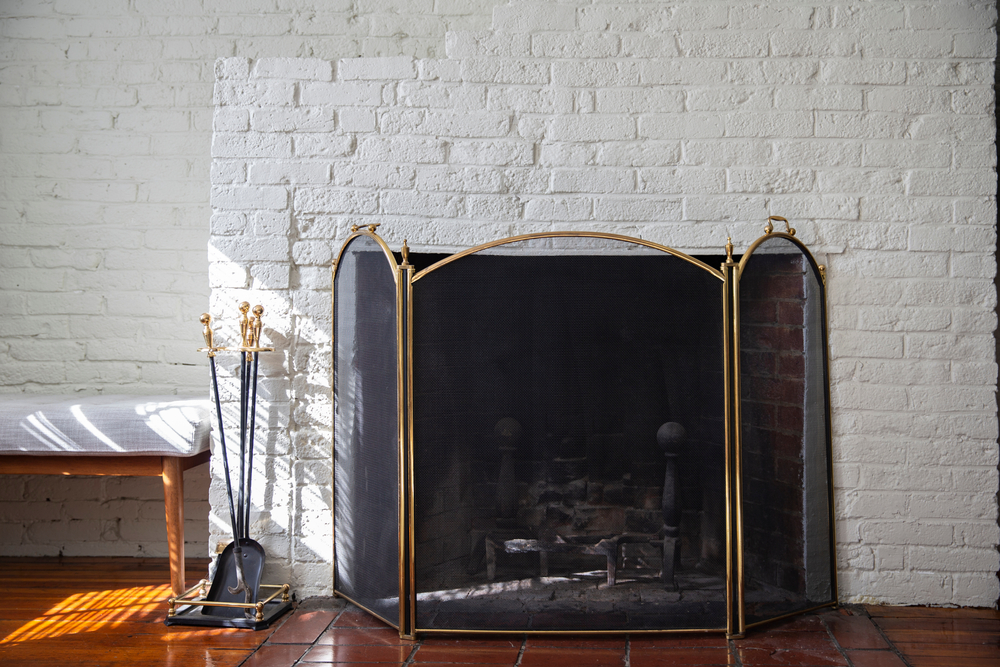
Fireplaces create comfort and visual appeal, yet they also influence how a home manages heat. Many homeowners love the crackle of a real fire, but traditional masonry fireplaces often allow more indoor heat to escape than they provide. This reduces overall fireplace energy efficiency and increases dependence on central heating systems. By learning how heat moves through a fireplace and how different designs affect performance, homeowners can make adjustments that improve comfort and reduce waste.
A fireplace loses heat primarily through the chimney because warm indoor air rises and escapes when the damper is open. At the same time, outside air can push inward through cracks or gaps, which increases the workload on heating systems. Older fireplaces are especially vulnerable to heat loss because they lack modern insulation or inserts. Even so, there are strategies that help transform a fireplace from a charming but inefficient feature into a functional and energy conscious heat source.
A good first step is recognizing that energy efficiency is not only about how much heat a fireplace produces. It is also about how much of that heat stays inside the room. With a better understanding of these dynamics, homeowners can approach fireplace efficiency tips with a stronger sense of purpose and see noticeable changes in energy use.
Improving Structural Components for Better Heat Retention
One way to improve fireplace energy efficiency is to focus on structural upgrades that help retain heat. An essential component is the damper, which must seal properly to prevent warm indoor air from escaping when the fireplace is not in use. Many dampers warp or degrade over time, and a damaged one can cause significant energy loss. Replacing an old damper or installing a top sealing chimney cap creates a tighter barrier that keeps conditioned air inside.
Chimney caps also serve other important functions such as preventing debris or animals from entering the chimney. By improving airflow control, they reduce drafts that pull warm air out of the living space. A properly functioning chimney system supports safer operation and contributes to better heat management.
Another upgrade that improves performance is the installation of fireplace inserts. Inserts transform open fireplaces into closed systems that burn fuel more efficiently. They typically include insulated glass doors and a sealed combustion chamber which allows greater heat output with less waste. Wood burning inserts, gas inserts, and electric inserts all enhance fireplace energy efficiency and extend the usable warmth produced during operation.
Heat resistant glass doors also help control how much air enters the firebox and how much heat escapes. Unlike leaving an open fire exposed to the room, glass doors create a controlled environment that distributes warmth more evenly. They also improve safety and reduce smoke penetration into the living area.
Optimizing Firewood, Combustion, and Airflow
Effective heating begins with the fire itself. The type of wood selected, the moisture content, and the burn technique all influence how much heat the fireplace produces. Hardwoods such as oak or maple burn hotter and longer compared with softwoods. For best results, firewood should be fully seasoned, which means allowed to dry for six months to a year. Properly seasoned wood burns more efficiently, produces less creosote, and increases usable heat output.
Airflow is vital for strong combustion. A fire that receives too much air burns quickly and releases heat up the chimney instead of into the room. Too little air causes smoldering and reduces heat production. Balancing airflow takes practice, but it significantly improves fireplace performance.
Another technique that supports efficient burning is building smaller, hotter fires rather than large fires that create excessive smoke. Smaller fires maintain a consistent output without overwhelming the chimney draft. They allow heat to radiate into the room more effectively and minimize wasted fuel.
Some homeowners also use specialized grates that push heat outward. These grates are designed to circulate warm air back into the room by encouraging better airflow patterns. Although not necessary for all fireplaces, they can provide a noticeable improvement in warmth.
Managing Room Temperature and Home Systems
A fireplace does not operate in isolation. It interacts with the entire heating system, and the way homeowners manage their indoor environment affects overall efficiency. When a fire is burning, the thermostat should be adjusted to reduce the load on central heating. Heating every room in the house while also running a fireplace in one space often leads to unnecessary energy use.
Closing doors to unused rooms helps contain heat within the area where the fireplace is located. Fireplaces work best when their output warms a defined space instead of dispersing into distant areas. Thick curtains or thermal drapes can also help retain heat by insulating windows that might otherwise leak warm air.
Weatherstripping around doors and windows reduces drafts that compete with the fireplace. Even small gaps can disrupt the balance of warm and cool air, so sealing them is an inexpensive step that supports better efficiency. Some homes benefit from adding insulation to attics or walls which provides long term improvements that complement fireplace performance.
Ventilation matters as well. A home that is too sealed can restrict airflow to the fireplace which reduces combustion quality. Conversely, a home with too many gaps loses heat rapidly. The goal is a balanced environment where the fireplace receives enough oxygen to burn cleanly without allowing heat to escape unnecessarily.
Finally, regular chimney maintenance ensures optimal conditions for airflow. A clean chimney improves draft performance and reduces the risk of smoke entering the home. Annual inspections identify cracks, creosote buildup, or structural concerns that might interfere with efficient operation.
Integrating Modern Technologies and Smart Practices
Modern technology offers tools that help improve fireplace energy efficiency. Heat exchangers capture and redistribute warm air that would otherwise rise through the chimney. Electric blowers also help move warm air throughout the room which increases comfort levels and reduces dependence on central heat.
Smart thermostats provide an additional layer of control. When integrated with a heating system, the thermostat can automatically reduce furnace output when the fireplace is active. This prevents temperature overshooting and avoids wasting energy by heating the home more than necessary.
For homeowners using gas fireplaces, updating old burners or ignition systems can improve efficiency. Many modern gas units include sealed combustion systems that maintain consistent performance with lower energy use. They produce steady heat without the variability of traditional wood fires, and some models offer programmable settings for temperature control.
Another important practice involves reducing heat loss when the fireplace is not in use. Keeping the damper fully closed, ensuring glass doors are tightly sealed, and using a chimney balloon or plug all prevent warm indoor air from escaping. These simple measures maintain a more stable indoor climate and lower energy bills throughout the winter months.
Homeowners also benefit from being mindful of fireplace placement and usage habits. Fireplaces located in central living areas distribute heat more effectively compared with those in remote sections of the home. Using the fireplace during peak occupancy hours rather than heating empty rooms ensures that the produced heat serves a practical purpose.
Conclusion
Fireplaces will always add warmth and character to a home, but their impact on energy use depends on how they are managed. By combining structural upgrades, improved combustion practices, thoughtful home temperature management, and modern technologies, homeowners can achieve meaningful gains in fireplace energy efficiency. Small adjustments often lead to significant improvements, and consistent attention to maintenance ensures reliable performance year after year.
With the right approach, a fireplace becomes more than a decorative feature. It becomes an efficient and dependable source of comfort that enriches the living space while reducing unnecessary energy consumption.
Need Chimney Caps & Full-Service Chimney Care Near You?
Keep your home safe and cozy with our expert team at The Chimney Cleaner Inc.! From professional chimney cleaning and detailed inspections to fireplace restorations and custom mantles, we’re dedicated to ensuring your chimney and fireplace work safely and efficiently. Whether you need reliable sweeping, gas line installation, or chimney stack remodeling, we’ve got you covered throughout Ventura County and beyond. Give us a call today; we’re ready to help you enjoy the warmth and peace of mind you deserve!