
Your Chimney Is a System — Every Part Matters
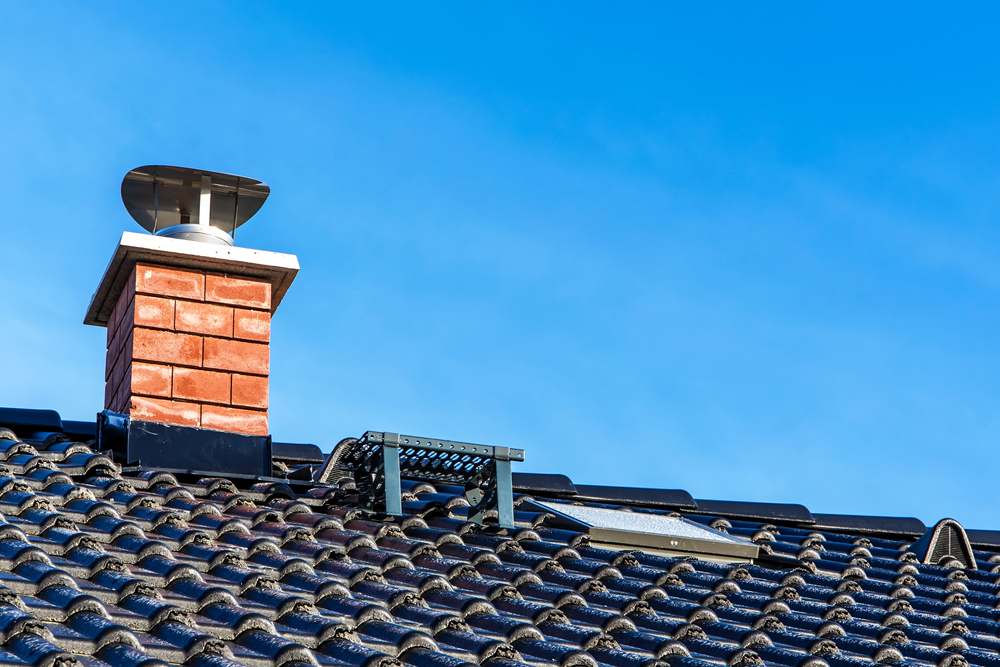
Chimneys may seem like simple vertical structures, but they are intricate systems with a series of carefully designed parts that work together to keep your home safe, comfortable, and efficient. Understanding the function and importance of each component can help homeowners make informed decisions about maintenance, repair, and upgrades. Whether you have a wood-burning fireplace or a gas appliance, the integrity of your chimney system directly impacts its performance and safety.
Below, we will break down the essential chimney components, explain their roles, and explore how each part contributes to the overall system. Every detail matters, and neglecting even one element can lead to serious consequences such as fire hazards, poor ventilation, or costly damage.
The Anatomy of a Chimney: A Closer Look at Its Components
To fully grasp the significance of the chimney as a system, we must first understand the major parts of a chimney. At a glance, most people only see the brick or stone stack rising from the roofline, but beneath the surface lies a more complex assembly.
Starting at the bottom, the firebox is where combustion takes place. It’s typically lined with firebricks that can withstand high temperatures. Just above it sits the throat, which leads to the smoke chamber. The smoke chamber tapers upward to channel smoke and gases into the flue, a vertical shaft that carries exhaust out of the home.
Inside the flue is the flue liner, often made of clay tiles or stainless steel, which protects the chimney walls and improves draft. Topping it off, the chimney crown or chase cover (depending on masonry or prefabricated construction) shields the top of the chimney from weather, while the cap prevents animals and debris from entering.
These are just some of the critical chimney components. Each one performs a specific function, and together they ensure your fireplace or heating appliance operates as it should.
The Role of the Flue and Flue Liner
Perhaps one of the most crucial parts of a chimney is the flue. This vertical passage is responsible for directing combustion byproducts, like smoke, gases, and particulates, safely out of the house. Without a properly functioning flue, dangerous substances like carbon monoxide could leak into your living space.
The flue liner, which sits inside the flue, serves as a protective barrier. It guards the masonry from the corrosive effects of soot and creosote and helps maintain the necessary temperature for an efficient draft. A liner can also improve safety by containing any potential chimney fires within the flue, preventing flames from spreading to the surrounding structure.
Flue liners can degrade over time due to heat, moisture, and chemical exposure. Cracked or deteriorated liners can compromise the entire system. That’s why inspections are so important. A damaged liner should be repaired or replaced promptly to maintain chimney integrity.
Chimney Caps, Crowns, and Dampers: Protection and Control
The uppermost parts of a chimney might seem secondary, but they serve essential functions. The chimney crown (in masonry chimneys) or chase cover (in metal chimneys) acts like a roof over the chimney structure. It slopes outward to shed water and prevent it from seeping into the masonry. Moisture is a chimney’s worst enemy, leading to cracks, spalling, and rust.
Chimney caps sit above the crown and are typically made of metal mesh and a solid top. They keep out rain, snow, animals, and debris while still allowing exhaust to vent. A cap also helps prevent downdrafts, which can cause smoke to re-enter your home.
Further down the system, dampers provide control. A throat damper is located just above the firebox and can be opened or closed to allow smoke to escape or to seal off the chimney when not in use. Some systems use top-sealing dampers, installed at the flue’s exit, which offer better insulation and moisture protection when closed.
These protective and control elements might be small compared to the entire chimney structure, but they significantly influence performance, safety, and durability.
Masonry, Flashing, and the Importance of Weather Resistance
The visible exterior of your chimney is often made of brick, stone, or concrete block. While it may appear purely decorative, this masonry shell is critical for structural support and protection. Unfortunately, masonry is porous and vulnerable to moisture damage, especially in colder climates where freeze-thaw cycles cause expansion and contraction.
Flashing is the metal barrier that seals the gap between the chimney and the roof. It’s often made of aluminum, copper, or galvanized steel. Flashing prevents water from seeping into your home at the chimney’s base. When flashing is damaged or improperly installed, it can lead to leaks, mold growth, and wood rot.
Waterproofing treatments and regular inspections can help extend the life of both masonry and flashing. Protecting the chimney’s exterior is just as vital as maintaining the inside components because moisture intrusion can undermine the entire structure over time.
Chimney Maintenance: Why Every Part Deserves Attention
Maintaining a chimney is not just about cleaning the flue or removing creosote. It’s about treating the chimney as a complete system, where every element must be intact and functional. When one part fails, it can create a domino effect. For instance, a missing chimney cap might allow water into the flue, which then damages the liner. A cracked liner can reduce draft and expose the masonry to high heat, eventually compromising the smoke chamber or firebox.
Regular inspections by a certified chimney professional are key. These inspections can reveal hidden problems like flue blockages, structural cracks, rusted dampers, or worn-out flashing. Preventive maintenance can save homeowners from expensive repairs and ensure safe operation year-round.
Upgrading components can also make a significant difference. Installing a top-sealing damper, replacing a deteriorated liner, or waterproofing the masonry can all extend the chimney’s life and improve efficiency. Addressing each part proactively reinforces the entire system’s reliability.
Conclusion
A chimney is far more than a simple passage for smoke. It is a complex system composed of multiple interconnected parts, each playing a vital role in ensuring safety, performance, and longevity. Understanding the chimney components and their functions allows homeowners to take better care of their fireplaces and heating systems.
From the firebox to the flue, from the chimney cap to the flashing, every part of a chimney contributes to its effectiveness. Ignoring even a minor component can lead to serious issues, but attentive maintenance and informed upgrades can keep your chimney working safely for decades.
Investing time and care into each part of your chimney system is not just a matter of comfort; it is a commitment to the safety and well-being of your home. Recognize that every part matters and treat your chimney as the complete system it truly is.
Need Chimney Caps & Full-Service Chimney Care Near You?
Keep your home safe and cozy with our expert team at The Chimney Cleaner Inc.! From professional chimney cleaning and detailed inspections to fireplace restorations and custom mantles, we’re dedicated to ensuring your chimney and fireplace work safely and efficiently. Whether you need reliable sweeping, gas line installation, or chimney stack remodeling, we’ve got you covered throughout Ventura County and beyond. Give us a call today; we’re ready to help you enjoy the warmth and peace of mind you deserve!