
Top Signs Your Chimney Needs Immediate Attention
As colder seasons approach, many homeowners begin preparing their fireplaces for use. While fireplaces create a warm and inviting atmosphere, they also come with responsibilities that are often overlooked, and one of the most crucial is chimney maintenance. Ignoring signs of chimney damage can result in costly repairs or dangerous situations. Understanding how to know if chimney is unsafe can be the difference between a cozy night and a potential fire hazard. If your chimney is showing signs of distress, addressing the problem early could protect your home and family.
Crumbling Brick or Mortar
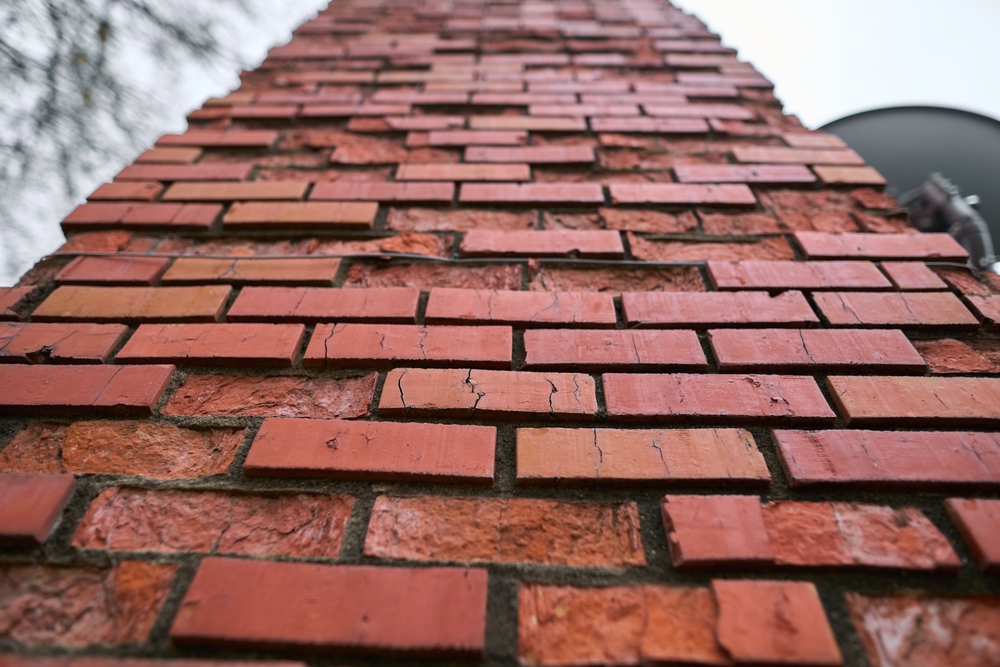
One of the most visible and serious chimney damage signs is deterioration in the bricks or mortar that form the chimney structure. If you see bricks flaking, breaking apart, or even falling off the chimney, it’s a red flag. Similarly, gaps or cracks in the mortar, the cement-like material holding bricks together, can compromise the structural integrity of the entire chimney.
This damage often stems from prolonged exposure to harsh weather, especially in colder climates where water seeps into small cracks, freezes, and then expands. This freeze-thaw cycle causes gradual but significant deterioration. Over time, a weakened structure could collapse or allow dangerous gases like carbon monoxide to leak into your home.
Sometimes, this kind of damage isn’t obvious until it’s too late. If you notice even a few cracked or loose bricks near the chimney base or crown, it’s time to consult a chimney professional. Ignoring these early chimney damage signs could lead to extensive repairs or a complete rebuild.
White Staining or Efflorescence
Efflorescence is a white, chalky deposit that appears on the exterior of brick surfaces, including chimneys. While it might look like harmless staining, it’s actually a sign that water is penetrating the brickwork and bringing salts to the surface. This staining indicates moisture problems, which are a serious concern for any chimney system.
Chimneys are designed to withstand a variety of weather conditions, but they are not waterproof. When moisture enters the chimney through cracked bricks, damaged flashing, or an absent chimney cap, it can lead to mold growth, interior water damage, and structural weakening. Over time, this water damage accelerates deterioration of both the interior flue and the exterior masonry.
If you’re wondering how to know if chimney is unsafe, white stains on the chimney are a critical warning sign. It means water is already affecting your chimney and could be leading to problems like rot in nearby wood framing or rust in metal chimney components. Having the chimney inspected and waterproofed as soon as efflorescence is noticed is essential.
Strange Odors from the Fireplace
Another warning sign that demands immediate attention is the presence of unpleasant or strange odors emanating from your fireplace. These can range from a strong smoky smell to a damp, musty odor or even the scent of rotting organic material.
These smells often originate from a buildup of creosote, moisture penetration, or even animal nesting. Creosote is a highly flammable byproduct of burning wood and, if allowed to accumulate, can pose a significant fire hazard. Moisture inside the flue or firebox can lead to mold and mildew growth, both of which present health risks and degrade the chimney lining over time.
Additionally, if animals like birds, squirrels, or raccoons have built nests inside your chimney, this can block airflow and increase the risk of carbon monoxide backing up into your home. Odors are one of the more noticeable chimney damage signs that often indicate larger underlying issues. Do not ignore them; a professional inspection will help identify and correct the root cause before it escalates.
Interior Wall or Ceiling Damage Near the Chimney
Chimney problems often extend beyond the fireplace itself. One telltale sign that your chimney may be compromised is water damage on the interior walls or ceilings adjacent to the chimney structure. This can include peeling paint, discoloration, bubbling drywall, or even visible mold.
Leaks that originate from the chimney can seep into your home’s interior slowly over time. Damaged flashing (the metal barrier where the chimney meets the roof) or cracks in the chimney crown can allow rainwater to enter. Once inside, water can travel along beams, insulation, and walls, creating visible damage that’s often mistaken for general roof issues.
If you’re unsure how to know if chimney is unsafe, inspecting the surrounding indoor areas can provide vital clues. Water stains, mold patches, and deteriorating materials near the chimney are not normal and usually point to an active leak. Delaying repairs not only worsens chimney problems but can also lead to extensive interior home repairs, making early action critical.
Smoke or Poor Drafting During Use
A properly functioning chimney should allow smoke, gases, and other combustion byproducts to exit your home efficiently. If smoke begins entering your living space when you light a fire, this is a serious indicator that your chimney is not functioning as it should.
There are several possible causes. The chimney flue may be blocked by creosote, animal nests, or debris. The damper could be stuck or malfunctioning. Structural issues, such as an incorrect chimney height or damaged flue liner, can also disrupt airflow. In some cases, the issue may be related to negative air pressure within your home, especially in tightly sealed or newly renovated houses.
Poor drafting is one of the most dangerous chimney damage signs, as it can result in carbon monoxide leaking back into your home. This odorless, colorless gas is extremely hazardous and potentially deadly. If you experience difficulty starting a fire or notice smoke lingering in the room, stop using the fireplace immediately and schedule a chimney inspection. The risk to your health and safety is too high to ignore.
Conclusion
Recognizing chimney damage signs early can help prevent costly repairs, protect your home, and ensure your family’s safety. From crumbling masonry and white staining to strange odors and poor smoke drafting, each of these issues points to underlying problems that require professional assessment. Learning how to know if chimney is unsafe isn’t just helpful; it’s necessary for every homeowner who uses a fireplace.
Neglecting chimney maintenance is more than just a fire hazard; it invites water damage, health concerns, and even structural compromise. A routine chimney inspection, ideally performed annually by a certified chimney professional, is one of the best ways to catch these problems before they escalate. Don’t wait until it’s too late. If your chimney is displaying any of the signs outlined above, act now to ensure a safe and warm home this season.
Need Chimney Caps & Full-Service Chimney Care Near You?
Keep your home safe and cozy with our expert team at The Chimney Cleaner Inc.! From professional chimney cleaning and detailed inspections to fireplace restorations and custom mantles, we’re dedicated to ensuring your chimney and fireplace work safely and efficiently. Whether you need reliable sweeping, gas line installation, or chimney stack remodeling, we’ve got you covered throughout Ventura County and beyond. Give us a call today; we’re ready to help you enjoy the warmth and peace of mind you deserve!