As colder seasons approach, many homeowners begin preparing their fireplaces for use. While fireplaces create a warm and inviting atmosphere, they also come with responsibilities that are often overlooked, and one of the most crucial is chimney maintenance. Ignoring signs of chimney damage can result in costly repairs or dangerous situations. Understanding how to know if chimney is unsafe can be the difference between a cozy night and a potential fire hazard. If your chimney is showing signs of distress, addressing the problem early could protect your home and family.
Crumbling Brick or Mortar
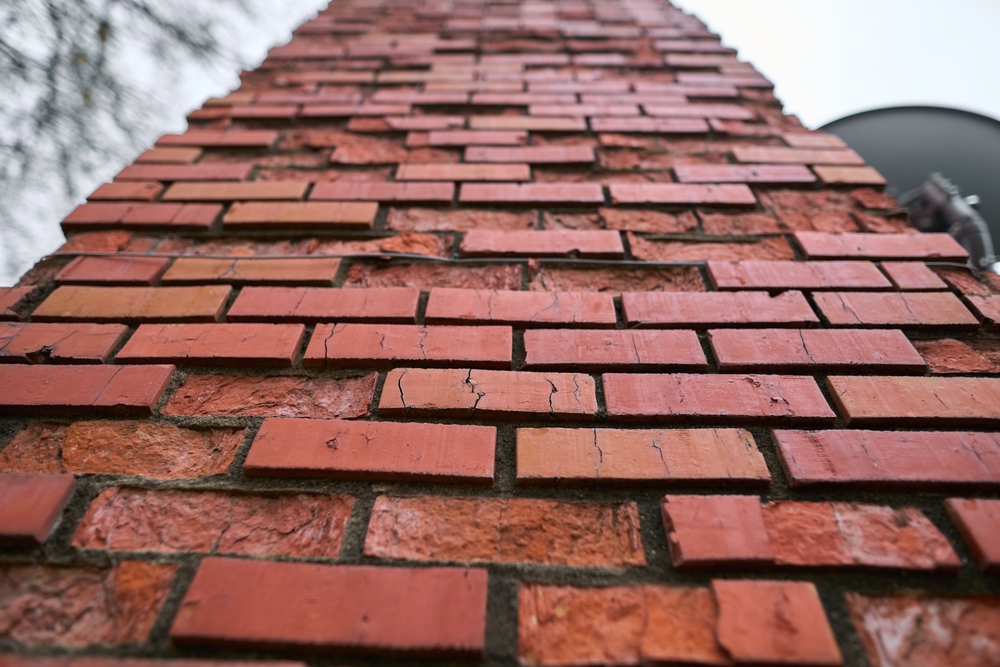
One of the most visible and serious chimney damage signs is deterioration in the bricks or mortar that form the chimney structure. If you see bricks flaking, breaking apart, or even falling off the chimney, it’s a red flag. Similarly, gaps or cracks in the mortar, the cement-like material holding bricks together, can compromise the structural integrity of the entire chimney.
This damage often stems from prolonged exposure to harsh weather, especially in colder climates where water seeps into small cracks, freezes, and then expands. This freeze-thaw cycle causes gradual but significant deterioration. Over time, a weakened structure could collapse or allow dangerous gases like carbon monoxide to leak into your home.
Sometimes, this kind of damage isn’t obvious until it’s too late. If you notice even a few cracked or loose bricks near the chimney base or crown, it’s time to consult a chimney professional. Ignoring these early chimney damage signs could lead to extensive repairs or a complete rebuild.
White Staining or Efflorescence
Efflorescence is a white, chalky deposit that appears on the exterior of brick surfaces, including chimneys. While it might look like harmless staining, it’s actually a sign that water is penetrating the brickwork and bringing salts to the surface. This staining indicates moisture problems, which are a serious concern for any chimney system.
Chimneys are designed to withstand a variety of weather conditions, but they are not waterproof. When moisture enters the chimney through cracked bricks, damaged flashing, or an absent chimney cap, it can lead to mold growth, interior water damage, and structural weakening. Over time, this water damage accelerates deterioration of both the interior flue and the exterior masonry.
If you’re wondering how to know if chimney is unsafe, white stains on the chimney are a critical warning sign. It means water is already affecting your chimney and could be leading to problems like rot in nearby wood framing or rust in metal chimney components. Having the chimney inspected and waterproofed as soon as efflorescence is noticed is essential.
Strange Odors from the Fireplace
Another warning sign that demands immediate attention is the presence of unpleasant or strange odors emanating from your fireplace. These can range from a strong smoky smell to a damp, musty odor or even the scent of rotting organic material.
These smells often originate from a buildup of creosote, moisture penetration, or even animal nesting. Creosote is a highly flammable byproduct of burning wood and, if allowed to accumulate, can pose a significant fire hazard. Moisture inside the flue or firebox can lead to mold and mildew growth, both of which present health risks and degrade the chimney lining over time.
Additionally, if animals like birds, squirrels, or raccoons have built nests inside your chimney, this can block airflow and increase the risk of carbon monoxide backing up into your home. Odors are one of the more noticeable chimney damage signs that often indicate larger underlying issues. Do not ignore them; a professional inspection will help identify and correct the root cause before it escalates.
Interior Wall or Ceiling Damage Near the Chimney
Chimney problems often extend beyond the fireplace itself. One telltale sign that your chimney may be compromised is water damage on the interior walls or ceilings adjacent to the chimney structure. This can include peeling paint, discoloration, bubbling drywall, or even visible mold.
Leaks that originate from the chimney can seep into your home’s interior slowly over time. Damaged flashing (the metal barrier where the chimney meets the roof) or cracks in the chimney crown can allow rainwater to enter. Once inside, water can travel along beams, insulation, and walls, creating visible damage that’s often mistaken for general roof issues.
If you’re unsure how to know if chimney is unsafe, inspecting the surrounding indoor areas can provide vital clues. Water stains, mold patches, and deteriorating materials near the chimney are not normal and usually point to an active leak. Delaying repairs not only worsens chimney problems but can also lead to extensive interior home repairs, making early action critical.
Smoke or Poor Drafting During Use
A properly functioning chimney should allow smoke, gases, and other combustion byproducts to exit your home efficiently. If smoke begins entering your living space when you light a fire, this is a serious indicator that your chimney is not functioning as it should.
There are several possible causes. The chimney flue may be blocked by creosote, animal nests, or debris. The damper could be stuck or malfunctioning. Structural issues, such as an incorrect chimney height or damaged flue liner, can also disrupt airflow. In some cases, the issue may be related to negative air pressure within your home, especially in tightly sealed or newly renovated houses.
Poor drafting is one of the most dangerous chimney damage signs, as it can result in carbon monoxide leaking back into your home. This odorless, colorless gas is extremely hazardous and potentially deadly. If you experience difficulty starting a fire or notice smoke lingering in the room, stop using the fireplace immediately and schedule a chimney inspection. The risk to your health and safety is too high to ignore.
Conclusion
Recognizing chimney damage signs early can help prevent costly repairs, protect your home, and ensure your family’s safety. From crumbling masonry and white staining to strange odors and poor smoke drafting, each of these issues points to underlying problems that require professional assessment. Learning how to know if chimney is unsafe isn’t just helpful; it’s necessary for every homeowner who uses a fireplace.
Neglecting chimney maintenance is more than just a fire hazard; it invites water damage, health concerns, and even structural compromise. A routine chimney inspection, ideally performed annually by a certified chimney professional, is one of the best ways to catch these problems before they escalate. Don’t wait until it’s too late. If your chimney is displaying any of the signs outlined above, act now to ensure a safe and warm home this season.
Need Chimney Caps & Full-Service Chimney Care Near You?
Keep your home safe and cozy with our expert team at The Chimney Cleaner Inc.! From professional chimney cleaning and detailed inspections to fireplace restorations and custom mantles, we’re dedicated to ensuring your chimney and fireplace work safely and efficiently. Whether you need reliable sweeping, gas line installation, or chimney stack remodeling, we’ve got you covered throughout Ventura County and beyond. Give us a call today; we’re ready to help you enjoy the warmth and peace of mind you deserve!
Living by the coast has its perks: breathtaking ocean views, fresh sea breezes, and the soothing sound of waves crashing nearby. However, these coastal conditions also come with their own set of challenges, particularly for homeowners in Ventura, CA and Santa Barbara. One of the most overlooked areas impacted by the coastal environment is the chimney. While it may seem like a sturdy, unyielding structure, your chimney is highly vulnerable to the effects of salt air and moisture.
Understanding how the coastal climate can damage your chimney is essential for proactive maintenance. Regular chimney inspections, timely chimney repairs, and applying preventive solutions like chimney waterproofing can save you from costly restorations down the line. In this article, we’ll explore how coastal weather impacts chimneys and share actionable chimney maintenance advice tailored to homeowners in Ventura and Santa Barbara.
Salt Air and Chimney Damage: A Hidden Threat
Salt air is a major factor contributing to chimney deterioration in coastal regions. The salty mist carried by ocean breezes can settle on surfaces, penetrating into brick, mortar, and metal components of your chimney. Over time, this salt accumulation leads to corrosion and structural weakening.
Brick chimneys are particularly susceptible. While bricks may appear strong, they are porous by nature. Salt-laden moisture seeps into these pores, causing efflorescence (white, powdery deposits) and accelerating the freeze-thaw cycle during colder months. When the water trapped inside the bricks freezes, it expands, leading to cracking and spalling — the flaking or breaking off of surface layers.
Metal components such as the chimney cap, flashing, and flue liners are also vulnerable. Salt air speeds up rusting and corrosion, compromising their functionality. A rusted cap or deteriorated flashing can allow rainwater to infiltrate your chimney system, leading to mold growth, structural damage, and costly chimney repairs.
To reduce these effects, it is crucial to schedule regular chimney inspections, especially for homes exposed to coastal winds and salty air.
The Importance of Regular Chimney Inspections in Santa Barbara
Routine chimney inspection is not just a good practice — it’s a necessity for Santa Barbara homeowners. The coastal environment makes chimneys more prone to subtle yet progressive damage. An annual chimney inspection, performed by a certified chimney sweep, can detect early signs of wear and prevent them from escalating into major issues.
During a chimney inspection, professionals look for several warning signs: cracked bricks, deteriorated mortar joints, rusted metal components, and signs of moisture intrusion. They also check for blockages that could pose fire hazards, such as bird nests or creosote buildup.
In Santa Barbara, where the climate alternates between wet winters and sunny, salty summers, it’s particularly important to stay ahead of chimney damage. Scheduling a chimney inspection before the rainy season can ensure your chimney is watertight and ready to withstand the elements.
If problems are discovered, prompt coastal chimney repair is vital. The longer you wait, the more extensive (and expensive) the damage can become. A neglected chimney can lead to leaks in your home’s interior, compromised air quality, and even structural hazards.
Chimney Maintenance for Ventura, CA Homes: Unique Challenges and Solutions
Ventura, CA experiences a blend of coastal and Mediterranean climate influences. While the moderate temperatures are appealing, the city’s proximity to the ocean means homeowners need to be vigilant about chimney maintenance.
In Ventura, chimney damage often begins with unnoticed moisture penetration. Even if you don’t use your fireplace often, rain, wind, and salt air continually expose your chimney to the risk of decay. Crumbling mortar, rust streaks, and moss or algae growth on the chimney surface are all signs that maintenance is overdue.
One crucial chimney maintenance strategy for Ventura homes is to repoint mortar joints regularly. Repointing involves removing damaged mortar and replacing it with fresh, weather-resistant mortar to restore the chimney’s integrity. Additionally, homeowners should ensure their chimney crowns are in good shape, as these protect the entire system from rain and debris.
Using weather-resistant materials during repairs and installations is another smart strategy. For instance, stainless steel is preferable for chimney caps and liners due to its resistance to corrosion. Installing a properly fitted chimney cap can prevent animals, leaves, and moisture from entering the flue, while also blocking downdrafts.
Chimney Waterproofing Tips to Prevent Long-Term Damage
One of the most effective preventive measures for coastal chimney repair is chimney waterproofing. This involves applying a specially formulated waterproofing sealant to the chimney’s exterior. Unlike paint or general-purpose sealants, these products are breathable — they allow moisture inside the bricks to escape while preventing new water from entering.
Waterproofing your chimney is particularly important in coastal areas because of the constant exposure to moisture and salt air. The goal is to create a barrier that resists rain, sea spray, and humidity, without trapping water inside the chimney. Trapped moisture can cause internal damage and lead to more severe structural issues over time.
Ideally, waterproofing should be done every 5 to 10 years, depending on the product used and the severity of local weather conditions. However, if your home is within a mile or two of the coast, a more frequent schedule may be warranted.
Before applying any waterproofing agent, it’s essential to complete any necessary repairs. Sealing over cracks or damaged areas can trap moisture and exacerbate the problem. Work with a qualified chimney professional to inspect the structure, carry out repairs, and then apply a high-quality waterproofing treatment.
Why Coastal Chimney Repair Should Never Be Delayed
Coastal chimney repair is not just about aesthetics or prolonging the life of your chimney — it’s about protecting your home. When chimney damage is left unaddressed, it doesn’t stay isolated. Moisture can seep through compromised mortar and bricks, reaching the attic, walls, and ceilings of your house. This not only weakens your home’s structure but also invites mold and mildew, which can pose serious health risks.
Additionally, a damaged chimney affects your fireplace’s performance. Cracks and gaps can alter the airflow, reduce efficiency, and even increase the risk of carbon monoxide leakage into your living space. For wood-burning fireplaces, damaged flue liners can also allow sparks to escape, creating a fire hazard.
Chimney maintenance in Ventura, CA and Santa Barbara is especially important because coastal weather accelerates all forms of wear. Even minor problems, like a missing chimney cap or small mortar crack, can evolve quickly in the presence of salt air and high humidity.
Procrastinating on chimney inspection or repair only increases the likelihood of needing extensive restoration work later. Stay ahead of the game with regular inspections, timely repairs, and preventive waterproofing strategies.
Conclusion
Owning a home in the beautiful coastal cities of Ventura and Santa Barbara means enjoying a unique lifestyle — but it also comes with responsibilities, especially when it comes to chimney care. The corrosive effects of salt air, seasonal rains, and coastal winds can silently degrade your chimney’s structure and components if you’re not vigilant.
Implementing a consistent chimney maintenance routine, scheduling annual chimney inspections in Santa Barbara, and embracing proactive solutions like chimney waterproofing are essential for protecting your home. Whether you’re a long-time resident of Ventura, CA or new to coastal living, investing in professional coastal chimney repair and maintenance will help you preserve the integrity of your home for years to come.
Don’t wait for visible signs of damage. A well-maintained chimney is a safer, more efficient, and longer-lasting one. Make coastal chimney care a priority, and your home will continue to provide warmth, safety, and beauty — no matter what the coastal weather brings.
Need Chimney Caps & Full-Service Chimney Care Near You?
Keep your home safe and cozy with our expert team at The Chimney Cleaner Inc.! From professional chimney cleaning and detailed inspections to fireplace restorations and custom mantles, we’re dedicated to ensuring your chimney and fireplace work safely and efficiently. Whether you need reliable sweeping, gas line installation, or chimney stack remodeling, we’ve got you covered throughout Ventura County and beyond. Give us a call today—we’re ready to help you enjoy the warmth and peace of mind you deserve!
When it comes to keeping your home safe and comfortable, your chimney plays a much bigger role than most people realize. From carrying dangerous smoke and gases out of your home to protecting your fireplace system from water damage, every part of a chimney needs to work together properly. That’s why at R. Horne Hearth and Home / The Chimney Cleaner Inc. (#1122530), we use only the best materials — Chimney Products Inc. Using high-quality parts isn’t just about looking professional. It’s about giving our customers peace of mind, knowing that their fireplace system is built to last.
Why Chimney Quality Matters
A chimney is constantly exposed to heat, smoke, moisture, and weather. If even one part fails — whether it’s the cap, damper, or liner — the whole system can suffer.
Poor-quality products can lead to:
Water leaks that damage masonry, drywall, or roofing
Draft issues that make your fireplace smoky or inefficient
Faster deterioration of flue liners and masonry
Increased fire hazards if sparks or creosote aren’t properly contained
Simply put, cutting corners on chimney materials can cost homeowners thousands in repairs later.
Why We Trust Chimney Products Inc.
Chimney Products Inc. is an industry leader known for manufacturing reliable, code-compliant chimney components. We choose their products because they offer:
Durability — Built to withstand harsh weather and high heat
Design — Engineered for proper airflow and performance
Safety — Manufactured with fire prevention and code compliance in mind
Variety — From stainless steel liners to top-sealing dampers and spark arrestors, they provide complete solutions for every home When we install products from Chimney Products Inc., we know we’re giving our customers the very best the industry has to offer.
The Benefits for Homeowners
When you choose a company that uses top-tier products and expert installation, you’re investing in your home’s safety and comfort. Benefits include:
Longer chimney lifespan with fewer repairs
Better fireplace performance with stronger draft and airflow
Improved energy efficiency thanks to tight-sealing dampers
Protection from water and fire hazards that could otherwise cause expensive damage
It’s not just about today’s comfort — it’s about protecting your home for years to come.
Professional Installation Matters
Even the best products won’t perform properly without expert installation. Our team is CSIA, NFI, and NCSG certified, which means we follow the highest standards in the industry.
We don’t just install — we inspect, customize, and ensure every component is fitted and sealed correctly. That’s how we make sure your chimney system is both safe and efficient.
Protect Your Home Today
At R. Horne Hearth and Home / The Chimney Cleaner Inc., we believe your family deserves the peace of mind that comes from knowing your chimney is built with quality products and professional care. That’s why we proudly use Chimney Products Inc. for every repair, upgrade, and installation.
Ready to protect your home? Call us today at 805-680-3636 or schedule an inspection to make sure your fireplace and chimney are safe, efficient, and built to last.
Chimneys are often an overlooked part of home maintenance, yet they play a crucial role in keeping your household safe and warm. While fireplaces provide comfort and ambiance, neglecting proper chimney care can lead to severe hazards. Understanding the chimney fire risks and the importance of scheduling annual chimney cleanings can help homeowners protect their property, health, and loved ones. This article explores why clean your chimney is more than just a recommendation—it’s a necessary precaution for safety and efficiency.
The Risks of a Dirty Chimney
When you use your fireplace, the burning wood releases byproducts like smoke, soot, and gases. Among these byproducts is creosote, a highly flammable substance that clings to the inner walls of the chimney. Over time, creosote builds up layer by layer, creating a serious fire hazard. According to the National Fire Protection Association (NFPA), thousands of house fires each year are linked directly to dirty or poorly maintained chimneys. These fires can start suddenly, spread rapidly, and often cause devastating damage before they’re even detected.
Beyond fire risks, a blocked or dirty chimney can also trap harmful gases, such as carbon monoxide, inside your home. Carbon monoxide is an odorless and colorless gas that can lead to dizziness, headaches, and even life-threatening poisoning if inhaled in large amounts. A clogged chimney caused by creosote buildup, debris, or animal nests can prevent proper ventilation, causing these dangerous gases to circulate back into your living space. This makes annual inspections and cleanings essential for maintaining safe air quality inside your home.
The Link Between Chimney Maintenance and Fire Safety
Chimney fire risks are not just theoretical—they are real, frequent, and often preventable. When a chimney ignites due to creosote buildup, the resulting blaze can reach temperatures of up to 2,000°F. Such intense heat can crack masonry, warp metal liners, and even allow flames to spread into other parts of the house. In many cases, homeowners don’t even realize a chimney fire has started until smoke fills the home or firefighters are at their doorstep.
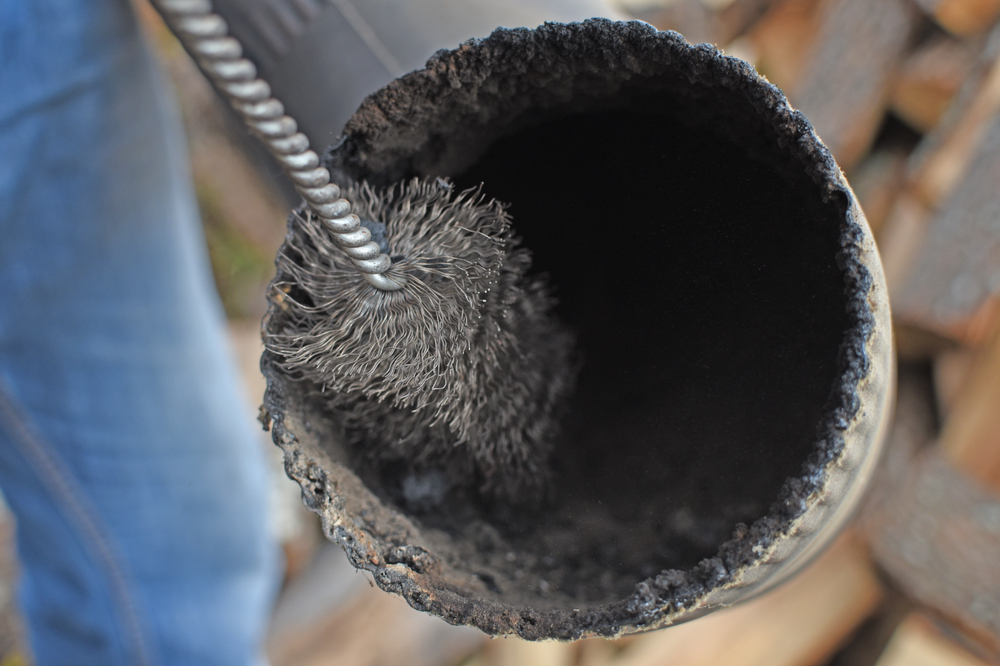
Regular chimney sweeps significantly reduce these risks by removing creosote deposits and inspecting for structural damage that could worsen over time. Professional chimney sweeps use specialized brushes, vacuums, and cameras to thoroughly clean the flue and identify potential hazards before they escalate. By making chimney care part of your yearly home maintenance routine, you are taking a proactive step to safeguard your family and property from one of the most common yet preventable household disasters.
Why Annual Chimney Sweeps Are Essential
Homeowners often underestimate why clean your chimney annually is so important, especially if they don’t use their fireplace frequently. However, even minimal use leads to creosote buildup, and weather conditions can worsen the situation. Rain, snow, and humidity can mix with soot to form corrosive substances that damage the chimney lining over time. Annual sweeps prevent long-term deterioration, saving homeowners from costly repairs down the road.
Moreover, annual cleanings provide an opportunity for thorough inspections. Certified chimney professionals can detect issues like cracked flue liners, loose bricks, or deteriorating mortar that might otherwise go unnoticed. These structural problems not only compromise the chimney’s efficiency but can also create dangerous situations if left unresolved. A comprehensive cleaning paired with a safety inspection ensures your chimney operates effectively and safely year after year.
Health Risks Associated with Poor Chimney Maintenance
Chimney maintenance isn’t just about preventing fires—it’s also about protecting your health. Poorly maintained chimneys can lead to reduced indoor air quality, contributing to respiratory problems, allergies, and asthma. Dust, soot, and creosote particles can enter your home when the fireplace is in use, particularly if the flue is blocked or damaged. Breathing in these particles over time can irritate the lungs and aggravate pre-existing conditions.
Additionally, carbon monoxide exposure remains one of the most dangerous consequences of a dirty or blocked chimney. Since this gas is invisible and odorless, homeowners often have no warning before it becomes a serious problem. Installing carbon monoxide detectors can provide an extra layer of protection, but the most effective prevention method is keeping the chimney clean and unobstructed. When combined with routine inspections, annual sweeps significantly reduce the chances of toxic fumes entering your home.
Protecting Your Investment and Peace of Mind
Your home is one of your biggest investments, and taking care of its critical systems is essential for preserving its value. A neglected chimney not only poses immediate safety hazards but can also lead to expensive structural damage over time. Moisture from rain or snow can seep into cracked masonry and freeze during colder months, causing further deterioration. This process, known as the freeze-thaw cycle, weakens the chimney’s structure and can eventually require costly repairs or even full replacement.
Regular chimney care, including annual sweeps, helps extend the lifespan of your chimney, protects your home from hidden damages, and ensures your fireplace operates efficiently. More importantly, it provides peace of mind. Knowing that your chimney is clean, inspected, and functioning properly allows you to enjoy your fireplace safely during the colder months without worrying about potential hazards.
Conclusion
A well-maintained chimney is more than just a convenience—it’s a necessity for keeping your home and family safe. The dangers of neglecting chimney care, from chimney fire risks to carbon monoxide exposure, are significant and should never be underestimated. By scheduling annual sweeps, you reduce the risk of fire, improve indoor air quality, and protect your investment from long-term damage. Taking proactive steps to ensure your chimney is clean and functioning properly gives you confidence, comfort, and security year after year.
Neglecting your chimney today can lead to costly repairs, health concerns, and even catastrophic fires tomorrow. The solution is simple: make chimney maintenance a priority. A clean chimney is a safe chimney, and annual sweeps are the most effective way to safeguard your home, your health, and your loved ones.
Need Chimney Caps & Full-Service Chimney Care Near You?
Keep your home safe and cozy with our expert team at The Chimney Cleaner Inc.! From professional chimney cleaning and detailed inspections to fireplace restorations and custom mantles, we’re dedicated to ensuring your chimney and fireplace work safely and efficiently. Whether you need reliable sweeping, gas line installation, or chimney stack remodeling, we’ve got you covered throughout Ventura County and beyond. Give us a call today—we’re ready to help you enjoy the warmth and peace of mind you deserve!
As temperatures rise and households shift their focus to outdoor living and summer adventures, many homeowners understandably push chimney maintenance to the back of their minds. Yet, surprisingly, summer is actually the most strategic time to schedule chimney cleaning in summer and comprehensive inspections. Ignoring chimney care until the cold sets in could not only put your family’s safety at risk but also leave you battling scheduling delays during peak season. Let’s explore why the warmer months are ideal for this essential home maintenance task.
The Importance of Chimney Maintenance
Chimneys, while often overlooked, are critical components of your home’s ventilation system. Over months of burning wood or gas in your fireplace, creosote—a highly flammable byproduct—builds up along the chimney walls. This accumulation significantly raises the risk of chimney fires, which can lead to extensive home damage or even endanger lives. Beyond fire hazards, blocked or poorly maintained chimneys can cause harmful gases like carbon monoxide to seep into your living spaces.
Routine inspections are equally vital. A certified chimney technician not only removes hazardous buildup but also checks for structural issues, animal nests, weather damage, and potential blockages. Small problems, if identified early, can be addressed before escalating into costly repairs. Scheduling off-season chimney service during summer ensures that your fireplace is safe, clean, and ready for use when the first chill arrives in autumn.
Advantages of Scheduling Chimney Cleaning in Summer
One of the most compelling reasons to schedule chimney cleaning in summer is availability. Chimney service companies often see a sharp surge in demand from late autumn through winter. Homeowners, eager to cozy up by the fire, scramble for appointments—leading to long waits and potential service delays. By contrast, summer is considered the off-season chimney service period. With fewer people requesting maintenance, technicians have greater availability, offering you more flexibility to choose appointments that fit your schedule.
Additionally, summer weather conditions are ideal for chimney work. Technicians can more safely and efficiently inspect and clean chimneys without navigating snow, ice, or frigid temperatures. Roof access, often required during inspections, is much safer on dry, warm days. This contributes to more thorough inspections and reduces the risk of weather-related complications that can hinder repairs or assessments.
Furthermore, chimney odors tend to intensify during hot weather due to creosote buildup mixing with summer humidity. Scheduling a cleaning during summer eliminates these unpleasant smells before they permeate your home, keeping your indoor environment fresh.
Preventing Last-Minute Repairs and Costly Damage
Delaying chimney maintenance until the colder months can result in more than just scheduling inconveniences. Summer inspections allow homeowners to catch small issues early. Cracked chimney liners, deteriorating masonry, or bird nests blocking the flue are much easier to resolve when addressed promptly. Neglecting these problems until fall could lead to emergency repairs, which are often more expensive due to rushed scheduling or worsening damage over time.
Chimney professionals recommend proactive care to extend the lifespan of your chimney system. During summer inspections, technicians can identify weathering from spring rains, freeze-thaw cycles from the previous winter, and damage caused by animal intrusions. With enough time before the heating season begins, any necessary repairs can be completed thoroughly and affordably, ensuring that your chimney is structurally sound and safe.
Moreover, summer is the optimal time for masonry repairs. Warmer weather allows mortar to cure properly, enhancing the effectiveness and durability of any repairs undertaken. Attempting these fixes in colder months can result in weaker bonds and compromised structural integrity, leading to recurring problems down the line.
Enhancing Indoor Air Quality and Home Comfort
Beyond safety and structural concerns, chimney maintenance significantly impacts your home’s air quality and comfort. Dirty or blocked chimneys hinder proper ventilation, causing smoke and toxins to seep back into your home. This can exacerbate respiratory conditions, trigger allergies, and lead to unpleasant odors lingering indoors. By scheduling chimney cleaning in summer, you ensure that your fireplace and chimney are clear of obstructions and contaminants, supporting healthier indoor air.
Additionally, a clean chimney improves your fireplace’s efficiency. When air flows smoothly through an unobstructed chimney, fires burn more evenly and with less smoke. This enhances your overall enjoyment of your fireplace during the colder months while reducing the risk of lingering smoke within your home.
Another often-overlooked benefit of summer chimney maintenance is the prevention of moisture damage. A clogged or damaged chimney allows rainwater to seep inside, leading to rusted damper assemblies, deteriorating masonry, and mold growth. An inspection during summer months can help identify and seal leaks, protecting your home’s structural integrity and preserving your indoor environment.
Planning Ahead for Peace of Mind
Proactively scheduling off-season chimney service during summer not only benefits your home’s safety and comfort but also provides you with invaluable peace of mind. Rather than scrambling for appointments as temperatures drop, you’ll enter the colder seasons confident that your chimney is clean, safe, and in optimal working condition.
Summer inspections also give you time to plan and budget for any repairs that may be required, avoiding the financial strain that can accompany emergency fixes in peak season. With more service providers available, you’re also more likely to find competitive pricing and flexible scheduling, allowing you to choose a provider who fits both your needs and budget.
For homeowners who rarely use their fireplaces, it’s easy to underestimate the importance of annual chimney maintenance. However, even infrequent use leads to buildup and wear. Investing in regular inspections and cleanings not only protects your property but also enhances its value over time, offering both immediate and long-term benefits.
Conclusion
Summer stands out as the ideal season for chimney care. From better appointment availability and safer working conditions to early detection of problems and improved indoor comfort, the advantages of chimney cleaning in summer are numerous. Make chimney maintenance a part of your summer home care routine, and enjoy the warmth and ambiance of your fireplace with confidence when winter arrives.
Need Chimney Caps & Full-Service Chimney Care Near You?
Keep your home safe and cozy with our expert team at The Chimney Cleaner Inc.! From professional chimney cleaning and detailed inspections to fireplace restorations and custom mantles, we’re dedicated to ensuring your chimney and fireplace work safely and efficiently. Whether you need reliable sweeping, gas line installation, or chimney stack remodeling, we’ve got you covered throughout Ventura County and beyond. Give us a call today—we’re ready to help you enjoy the warmth and peace of mind you deserve!