As the final days of winter fade and your fireplace or heating stove settles into seasonal rest, spring becomes the perfect time to focus on post heating season chimney care. Months of steady use leave creosote, soot, and debris inside the flue, and these residues do not simply disappear once temperatures rise. Instead, they remain in place and can create problems long after you stop using your heating system. Spring chimney cleaning helps prevent deterioration, reduces fire risks for the next cold season, and supports the long term health of your home.
One of the biggest advantages of spring cleaning is that it gives homeowners a clear start. Instead of waiting until fall when chimney professionals are booked solid, you can inspect, clean, and repair the system during a slower season. This proactive mindset aligns perfectly with seasonal chimney maintenance because it minimizes stress and allows plenty of time to address issues. When fall arrives and temperatures drop, your chimney will already be ready for safe use, giving you peace of mind and one less task on your seasonal checklist.
Creosote buildup remains one of the most common chimney hazards. When wood or pellets burn, they produce a vapor that cools along the chimney walls and condenses into a sticky residue. By spring, this residue may reach dangerous levels depending on how often your heating system was used. If ignored, creosote can harden into a tar-like substance that is far more difficult to remove. A thorough cleaning directly after the heating season keeps buildup manageable and reduces the need for more aggressive cleaning methods.
Identifying Damage After the Heating Season
Winter weather puts stress on every part of a home, and the chimney is no exception. Your flue, masonry, flashing, and crown all endure repeated cycles of freezing and thawing. These temperature swings can cause cracks, gaps, and deterioration that worsen over time if they are not carefully inspected and repaired. Once the heating season ends and the chimney cools down, these issues become easier to identify during a spring assessment.
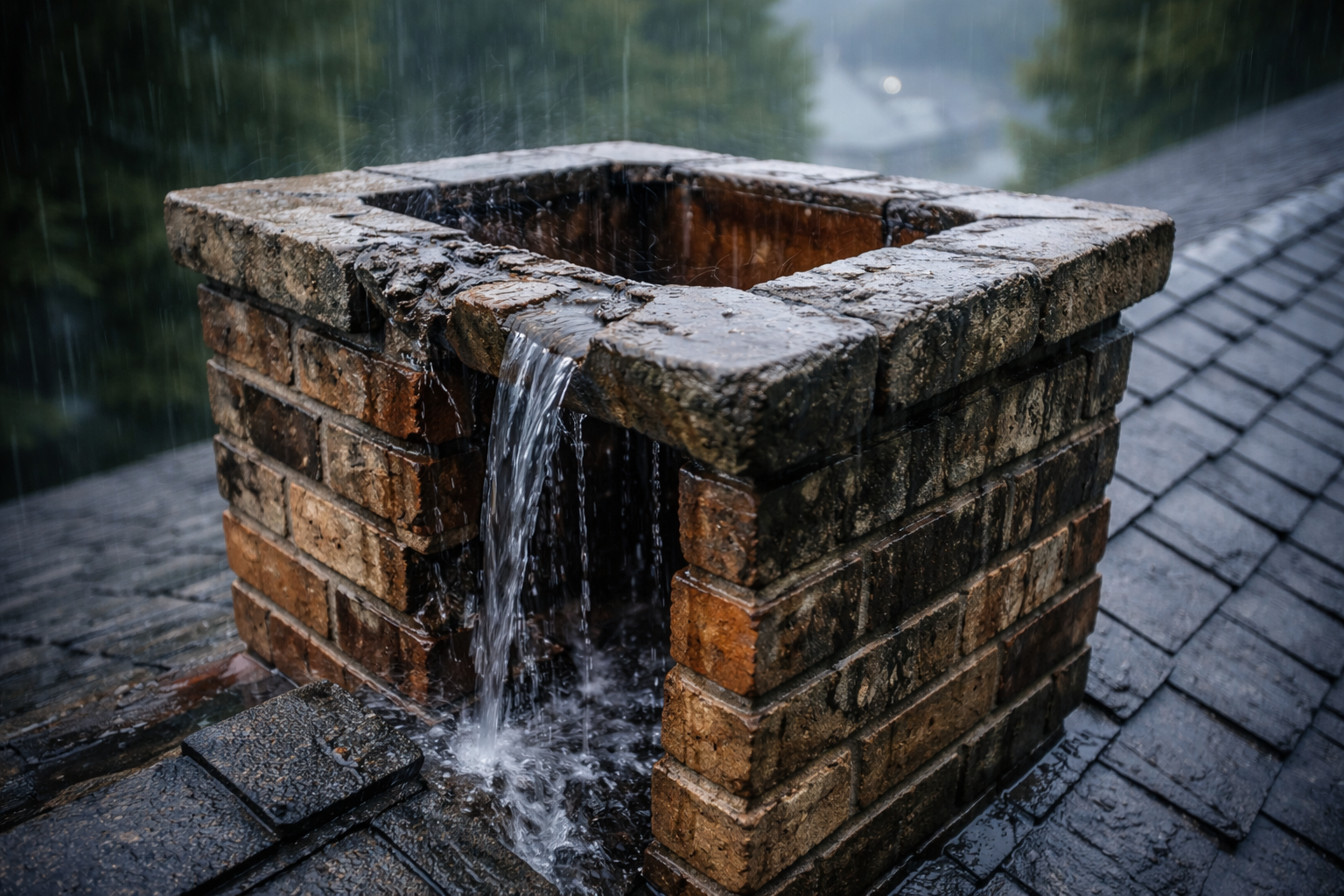
Moisture is one of the biggest threats to chimney structures. Even small cracks can allow water to seep into the masonry. As temperatures fluctuate, that water expands and contracts, leading to more extensive damage. Spring is the best season to address this because the freeze cycle is coming to an end and repairs can cure properly in mild weather. Thorough inspections are central to post heating season chimney care because they help catch small issues before they turn into structural failures.
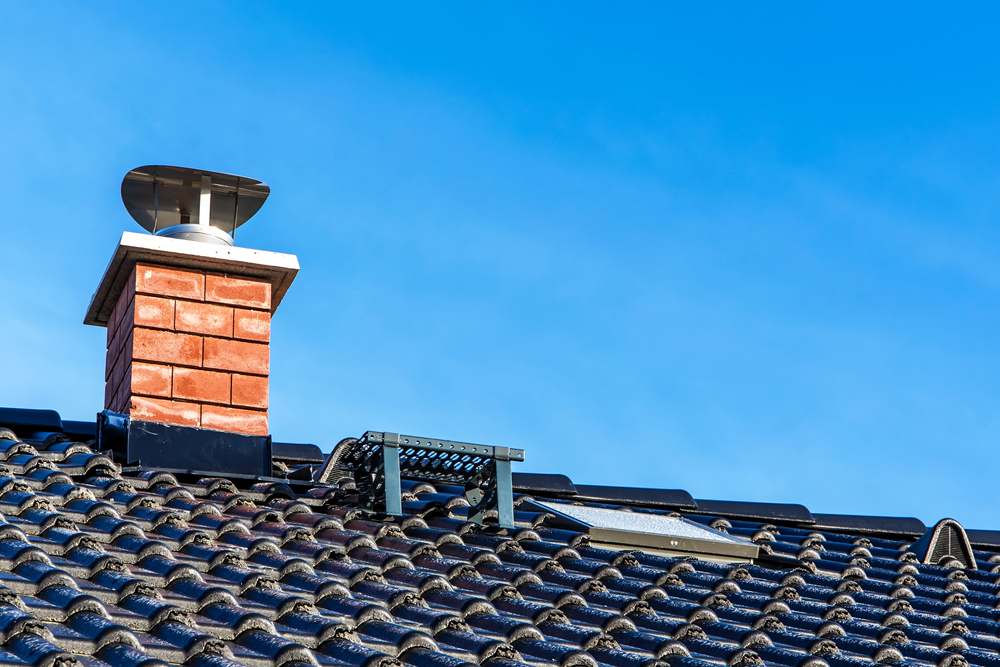
In addition to masonry concerns, spring is a prime time to examine the chimney cap and flashing. Winter storms can loosen or dislodge these components, which can lead to leaks that spread into the attic or walls. A damaged chimney cap can also allow animals or debris to enter the flue. Birds in particular love building nests during early spring, turning an unprotected chimney into a convenient home. Inspecting these areas and repairing any damage keeps your chimney efficient and safe.
Advantages of Cleaning Before Humidity Rises
Spring cleaning is especially beneficial because humidity levels increase as the weather warms. When soot and creosote absorb moisture, they produce an unpleasant odor that can drift into your home. Homeowners often notice this smell during humid days, even if the fireplace has not been used for months. A clean chimney greatly reduces this issue and helps maintain fresh indoor air throughout spring and summer.
Moisture combined with creosote does more than create odors. It can also accelerate corrosion inside metal flue liners. Rust is a silent problem that often goes unnoticed until serious damage has already occurred. Addressing residues through seasonal chimney maintenance significantly reduces the risk of internal decay that could shorten the lifespan of your chimney system.
Another advantage of spring cleaning is that professional chimney sweeps have greater availability. Many homeowners wait until fall, which creates demand spikes. Scheduling during spring is faster, often more convenient, and gives you access to more flexible appointment times. This smoother process saves time and allows you to take care of chimney upkeep well before the busy season begins.
Preparing Your Home for Next Winter
Although spring may feel too early to think about winter, this is exactly when preparation is most effective. When you plan ahead, you avoid the stress and delays that accompany fall maintenance. A clean and inspected chimney ensures that the moment cold weather returns, you can safely enjoy your fireplace or stove without worrying about hidden hazards.
An important part of preparation is reviewing how your heating system performed over the previous season. If you noticed smoke backing up into the home, difficulty starting fires, or reduced draft, spring is the time to investigate these issues. Problems with airflow can stem from creosote buildup, flue blockages, or damage that restricts ventilation. Addressing these concerns early supports better efficiency and safety in the coming winter.
Homeowners who use wood stoves or pellet stoves can also evaluate whether their fuel choices contributed to faster creosote buildup. Burning greener or unseasoned wood, for example, creates more moisture and residue. By recognizing these patterns now, you can adjust your fuel selection for the next season. This simple adjustment is an often overlooked part of post heating season chimney care that can make a meaningful difference in performance.
Maintaining a Healthy Home Environment
A clean chimney is not just about safety and efficiency. It also plays an important role in maintaining good indoor air quality. Soot, ash, and creosote residues can emit lingering odors, irritate respiratory conditions, and allow contaminants to drift into living spaces. Spring cleaning reduces these risks and contributes to a healthier home environment through the warmer months.
In some cases, animals may have entered the chimney during the winter. Nests, droppings, or even trapped pests can create health concerns and obstruct the flue. Identifying and removing these issues in spring prevents unpleasant surprises later in the year. Regular seasonal chimney maintenance ensures that your home remains clean and safe, even when your heating system is not in active use.
Spring also presents a good opportunity to think about long term chimney improvements. Homeowners may choose to install new liners, upgrade chimney caps, or invest in waterproofing treatments. These enhancements protect against moisture, improve efficiency, and extend chimney lifespan. Because spring weather is mild, it is an ideal season for repairs and upgrades that require time to cure or settle properly.
Conclusion
Spring is more than a transition into warmer weather. It is a strategic moment to focus on post heating season chimney care that protects your home, improves safety, and ensures long lasting performance. A thorough cleaning removes creosote and soot before humidity turns them into stubborn odors. A detailed inspection identifies winter related damage while repairs remain manageable. Planning ahead reduces stress and guarantees that your home will be ready when the next cold season arrives.
Seasonal chimney maintenance is a habit that pays off year after year. By tending to your chimney in spring, you safeguard your investment, enhance home comfort, and avoid rush season delays. Whether you rely on a wood burning fireplace, pellet stove, or traditional masonry chimney, spring cleaning is one of the most valuable steps you can take to protect your home and maintain a healthy living environment.
Need Chimney Caps & Full-Service Chimney Care Near You?
Keep your home safe and cozy with our expert team at The Chimney Cleaner Inc.! From professional chimney cleaning and detailed inspections to fireplace restorations and custom mantles, we’re dedicated to ensuring your chimney and fireplace work safely and efficiently. Whether you need reliable sweeping, gas line installation, or chimney stack remodeling, we’ve got you covered throughout Ventura County and beyond. Give us a call today; we’re ready to help you enjoy the warmth and peace of mind you deserve!
Chimneys may seem like simple vertical structures, but they are intricate systems with a series of carefully designed parts that work together to keep your home safe, comfortable, and efficient. Understanding the function and importance of each component can help homeowners make informed decisions about maintenance, repair, and upgrades. Whether you have a wood-burning fireplace or a gas appliance, the integrity of your chimney system directly impacts its performance and safety.
Below, we will break down the essential chimney components, explain their roles, and explore how each part contributes to the overall system. Every detail matters, and neglecting even one element can lead to serious consequences such as fire hazards, poor ventilation, or costly damage.
The Anatomy of a Chimney: A Closer Look at Its Components
To fully grasp the significance of the chimney as a system, we must first understand the major parts of a chimney. At a glance, most people only see the brick or stone stack rising from the roofline, but beneath the surface lies a more complex assembly.
Starting at the bottom, the firebox is where combustion takes place. It’s typically lined with firebricks that can withstand high temperatures. Just above it sits the throat, which leads to the smoke chamber. The smoke chamber tapers upward to channel smoke and gases into the flue, a vertical shaft that carries exhaust out of the home.
Inside the flue is the flue liner, often made of clay tiles or stainless steel, which protects the chimney walls and improves draft. Topping it off, the chimney crown or chase cover (depending on masonry or prefabricated construction) shields the top of the chimney from weather, while the cap prevents animals and debris from entering.
These are just some of the critical chimney components. Each one performs a specific function, and together they ensure your fireplace or heating appliance operates as it should.
The Role of the Flue and Flue Liner
Perhaps one of the most crucial parts of a chimney is the flue. This vertical passage is responsible for directing combustion byproducts, like smoke, gases, and particulates, safely out of the house. Without a properly functioning flue, dangerous substances like carbon monoxide could leak into your living space.
The flue liner, which sits inside the flue, serves as a protective barrier. It guards the masonry from the corrosive effects of soot and creosote and helps maintain the necessary temperature for an efficient draft. A liner can also improve safety by containing any potential chimney fires within the flue, preventing flames from spreading to the surrounding structure.
Flue liners can degrade over time due to heat, moisture, and chemical exposure. Cracked or deteriorated liners can compromise the entire system. That’s why inspections are so important. A damaged liner should be repaired or replaced promptly to maintain chimney integrity.
Chimney Caps, Crowns, and Dampers: Protection and Control
The uppermost parts of a chimney might seem secondary, but they serve essential functions. The chimney crown (in masonry chimneys) or chase cover (in metal chimneys) acts like a roof over the chimney structure. It slopes outward to shed water and prevent it from seeping into the masonry. Moisture is a chimney’s worst enemy, leading to cracks, spalling, and rust.
Chimney caps sit above the crown and are typically made of metal mesh and a solid top. They keep out rain, snow, animals, and debris while still allowing exhaust to vent. A cap also helps prevent downdrafts, which can cause smoke to re-enter your home.
Further down the system, dampers provide control. A throat damper is located just above the firebox and can be opened or closed to allow smoke to escape or to seal off the chimney when not in use. Some systems use top-sealing dampers, installed at the flue’s exit, which offer better insulation and moisture protection when closed.
These protective and control elements might be small compared to the entire chimney structure, but they significantly influence performance, safety, and durability.
Masonry, Flashing, and the Importance of Weather Resistance
The visible exterior of your chimney is often made of brick, stone, or concrete block. While it may appear purely decorative, this masonry shell is critical for structural support and protection. Unfortunately, masonry is porous and vulnerable to moisture damage, especially in colder climates where freeze-thaw cycles cause expansion and contraction.
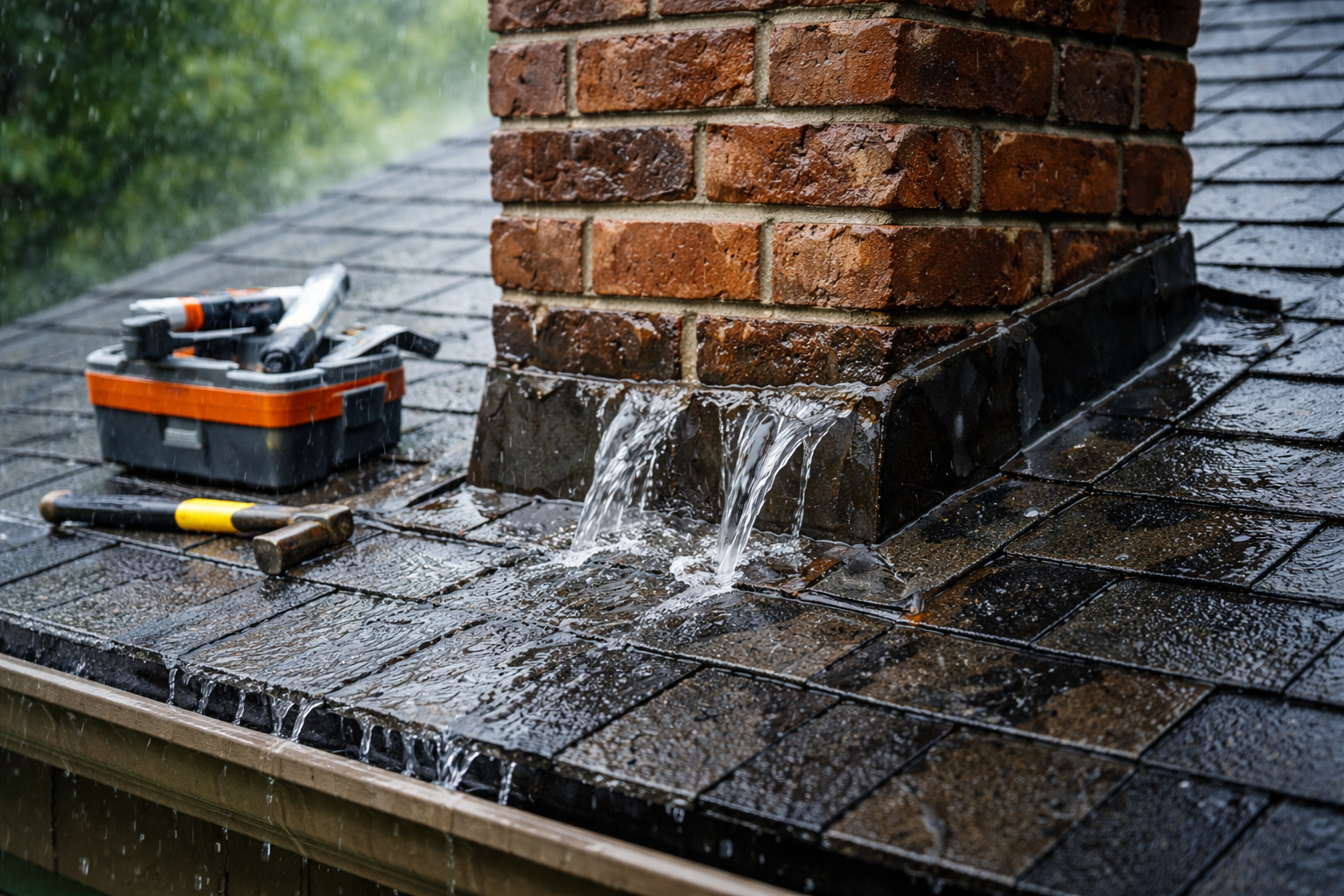
Flashing is the metal barrier that seals the gap between the chimney and the roof. It’s often made of aluminum, copper, or galvanized steel. Flashing prevents water from seeping into your home at the chimney’s base. When flashing is damaged or improperly installed, it can lead to leaks, mold growth, and wood rot.
Waterproofing treatments and regular inspections can help extend the life of both masonry and flashing. Protecting the chimney’s exterior is just as vital as maintaining the inside components because moisture intrusion can undermine the entire structure over time.
Chimney Maintenance: Why Every Part Deserves Attention
Maintaining a chimney is not just about cleaning the flue or removing creosote. It’s about treating the chimney as a complete system, where every element must be intact and functional. When one part fails, it can create a domino effect. For instance, a missing chimney cap might allow water into the flue, which then damages the liner. A cracked liner can reduce draft and expose the masonry to high heat, eventually compromising the smoke chamber or firebox.
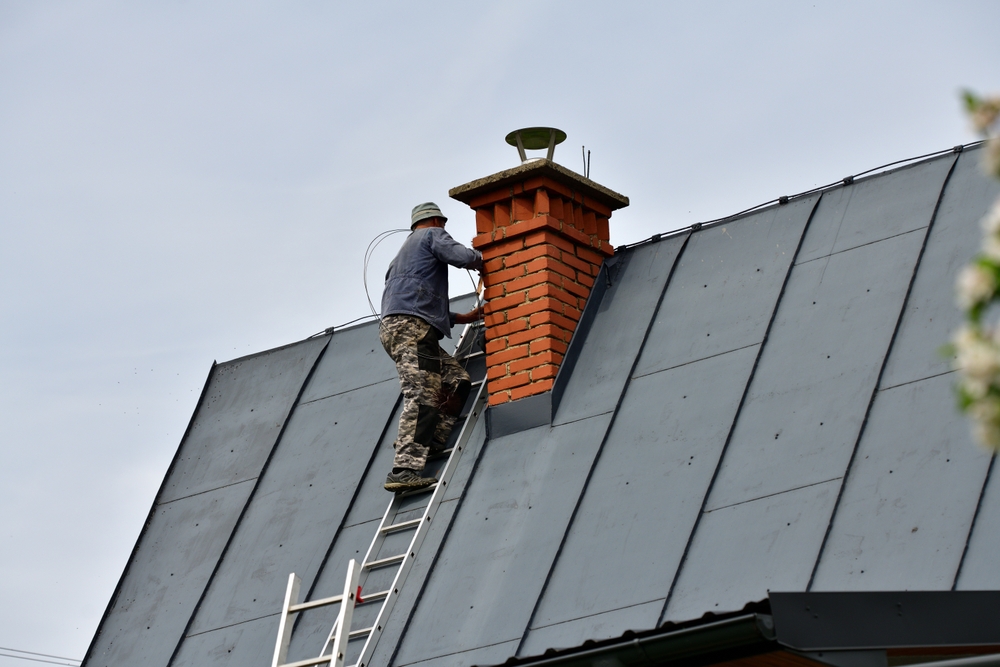
Regular inspections by a certified chimney professional are key. These inspections can reveal hidden problems like flue blockages, structural cracks, rusted dampers, or worn-out flashing. Preventive maintenance can save homeowners from expensive repairs and ensure safe operation year-round.
Upgrading components can also make a significant difference. Installing a top-sealing damper, replacing a deteriorated liner, or waterproofing the masonry can all extend the chimney’s life and improve efficiency. Addressing each part proactively reinforces the entire system’s reliability.
Conclusion
A chimney is far more than a simple passage for smoke. It is a complex system composed of multiple interconnected parts, each playing a vital role in ensuring safety, performance, and longevity. Understanding the chimney components and their functions allows homeowners to take better care of their fireplaces and heating systems.
From the firebox to the flue, from the chimney cap to the flashing, every part of a chimney contributes to its effectiveness. Ignoring even a minor component can lead to serious issues, but attentive maintenance and informed upgrades can keep your chimney working safely for decades.
Investing time and care into each part of your chimney system is not just a matter of comfort; it is a commitment to the safety and well-being of your home. Recognize that every part matters and treat your chimney as the complete system it truly is.
Need Chimney Caps & Full-Service Chimney Care Near You?
Keep your home safe and cozy with our expert team at The Chimney Cleaner Inc.! From professional chimney cleaning and detailed inspections to fireplace restorations and custom mantles, we’re dedicated to ensuring your chimney and fireplace work safely and efficiently. Whether you need reliable sweeping, gas line installation, or chimney stack remodeling, we’ve got you covered throughout Ventura County and beyond. Give us a call today; we’re ready to help you enjoy the warmth and peace of mind you deserve!
Water is a silent destroyer when it comes to homes, and chimneys are no exception. While they may appear strong and weatherproof from the outside, chimneys are highly vulnerable to moisture. A small unnoticed leak can grow into a major structural problem, requiring expensive repairs and creating safety hazards. Understanding the cycle of chimney water damage is the first step toward preventing it. From minor drips to major deterioration, let us explore how chimney leaks develop, why they worsen over time, and how homeowners can protect their investment.
The Origin of Chimney Leaks
Chimney leaks typically start in subtle ways, making them hard to detect. The most common entry point is the chimney crown, a concrete or mortar slab that covers the top of the chimney. If the crown is cracked, water can easily seep through, especially during rain or snow. Over time, weather and thermal stress cause tiny fissures to develop in this area. These fissures may not be visible from ground level, but they allow a slow trickle of water to enter the chimney structure.
The flashing, which seals the connection between the chimney and the roof, is another common vulnerability. Improper installation or natural aging can cause the flashing to lift or corrode, creating another avenue for water intrusion. The brick and mortar joints of the chimney itself also degrade with time. Mortar is porous, and without a protective sealant, it can absorb water like a sponge.
Additionally, the chimney cap plays an important role. This small metal cover is designed to prevent rain and debris from entering the flue. When a chimney cap is missing, damaged, or poorly installed, rainwater flows freely into the chimney flue and interior system. This sets the stage for moisture to wreak havoc inside and around the chimney.
The Hidden Dangers of Moisture Inside the Chimney
Once water finds its way into the chimney system, the damage accelerates. The materials used in chimney construction are not designed to handle prolonged moisture exposure. Brick and mortar may be sturdy, but they are also highly absorbent. When water penetrates these materials, it begins to erode the structure from within.
During colder months, the freeze-thaw cycle becomes a serious threat. Water that has soaked into masonry expands as it freezes, causing cracks to widen and bricks to shift. This not only leads to visible damage but also destabilizes the chimney. Over time, entire bricks may pop out or crumble.
Inside the chimney, water can corrode the metal components, including the damper and the flue liner. A rusted damper may stop working properly, making it difficult to open or close the chimney. A compromised flue liner reduces the chimney’s ability to safely channel smoke and gases outside, increasing the risk of carbon monoxide leaks and chimney fires.
Mold and mildew are another consequence of chimney water damage. Moisture creates a perfect breeding ground for biological growth, especially in dark and enclosed spaces. The odor of mildew can spread through the home, and mold spores may pose health risks, especially to those with allergies or respiratory issues.
How Minor Leaks Escalate Over Time
One of the biggest problems with chimney leaks is that they rarely stay small. What starts as a hairline crack or a bit of rust often grows larger under repeated exposure to rain, snow, and temperature shifts. The longer a leak is left unaddressed, the more severe the consequences become.
Each rainstorm deposits more water into the same vulnerable points. Without proper drainage or protection, the moisture remains trapped in the structure. Even during dry periods, water absorbed into bricks and mortar does not evaporate quickly. It lingers, continuing to break down materials slowly.
As the masonry degrades, water intrusion increases. The damage then spreads beyond the chimney to the surrounding areas of the roof, attic, and interior walls. Ceiling stains, warped drywall, and peeling paint are all signs that chimney leaks have progressed further than initially expected.
In many cases, homeowners remain unaware of the issue until the symptoms become severe. A leaking chimney may not drip water visibly. Instead, the damage lurks behind walls, inside flues, and under roofing materials. By the time obvious signs appear, the cost of repair has often multiplied significantly.
The Structural and Financial Consequences
Neglecting chimney water damage can lead to serious structural problems. Over time, weakened bricks and mortar compromise the integrity of the entire chimney. Leaning chimneys, cracked exteriors, and loose masonry are red flags that the structure may be unstable.
In extreme cases, a deteriorated chimney can collapse, either partially or completely. This type of failure is not only expensive to repair, but it also poses a major safety hazard. Falling bricks can damage roofs, gutters, and landscaping, and in rare cases, they can cause injury.
The financial impact of chimney leaks can be steep. Initial repairs for minor issues such as crown cracks or flashing replacement are relatively inexpensive. However, once the damage spreads to interior walls, ceilings, or structural components, the cost rises dramatically. Mold remediation, chimney rebuilding, and roof repairs can run into the thousands.
Insurance may or may not cover chimney water damage, depending on the cause. If the problem stems from long-term neglect or improper maintenance, homeowners may be left to pay the full cost. That is why proactive inspection and timely repairs are essential.
Prevention and Early Intervention
The best way to manage chimney leaks is to prevent them from starting in the first place. Regular inspections by a certified chimney professional can catch early signs of trouble. Experts can assess the condition of the chimney crown, flashing, cap, and masonry, recommending repairs before leaks develop.
Applying a water-repellent sealant to the exterior of the chimney is a highly effective preventive measure. These breathable sealants allow moisture inside the bricks to escape while blocking rain from being absorbed. Repointing the mortar joints, replacing damaged bricks, and sealing gaps around flashing are all part of routine chimney maintenance.
A high-quality chimney cap is one of the most affordable and effective ways to prevent chimney leaks. It stops rain from entering the flue while also keeping out animals and debris. If a cap is missing or damaged, it should be replaced immediately.
Homeowners should also pay attention to signs of moisture around the chimney. Musty odors, peeling paint, and ceiling stains near the fireplace may indicate hidden leaks. Addressing these warning signs promptly can prevent major repairs later.
Conclusion
Chimney water damage follows a destructive cycle that begins with a small, often invisible leak. Left unaddressed, moisture infiltrates masonry, corrodes metal, and leads to widespread deterioration. Over time, chimney leaks can escalate into serious structural and financial problems. Fortunately, with awareness and regular maintenance, homeowners can break this cycle before it causes irreversible harm. By staying proactive and responding quickly to the earliest signs of damage, it is possible to preserve both the safety and the value of a home while keeping chimney repairs under control. Understanding the risks and taking preventive steps today can save thousands of dollars and avoid extensive damage tomorrow.
Need Chimney Caps & Full-Service Chimney Care Near You?
Keep your home safe and cozy with our expert team at The Chimney Cleaner Inc.! From professional chimney cleaning and detailed inspections to fireplace restorations and custom mantles, we’re dedicated to ensuring your chimney and fireplace work safely and efficiently. Whether you need reliable sweeping, gas line installation, or chimney stack remodeling, we’ve got you covered throughout Ventura County and beyond. Give us a call today; we’re ready to help you enjoy the warmth and peace of mind you deserve!
Your chimney may seem like a simple structure perched on top of your roof, but it plays a crucial role in your home’s safety, comfort, and energy efficiency. Unfortunately, many homeowners make the mistake of leaving their chimney untreated, assuming that the strong brickwork will hold up forever. The reality is that untreated chimneys are prone to a host of problems that can compromise the integrity of your home. Chimney waterproofing is not just a luxury; it is a necessity if you want to prevent serious and costly damage.
In this article, we will explore why leaving a chimney untreated is a major mistake. We will examine how moisture infiltrates brickwork, the consequences of neglect, and the benefits of preventative care. If you own a home with a chimney, this is information you cannot afford to ignore.
Moisture: The Silent Enemy of Chimneys
Water is the biggest threat to the long-term health of your chimney. Despite being built with durable materials like brick and mortar, chimneys are not immune to the damaging effects of moisture. In fact, bricks are porous, meaning they naturally absorb water. Without chimney waterproofing, rain, snow, and ice will penetrate the structure over time.
When water enters the bricks, it causes them to expand and contract with temperature changes. This freeze-thaw cycle can lead to cracking and spalling, where pieces of brick begin to flake off. The mortar joints that hold the bricks together are also susceptible to erosion. As the mortar wears away, the structural stability of the chimney begins to deteriorate.
Chimney moisture problems can also extend beyond the structure itself. Water that seeps into your chimney can drip down into your fireplace or stove, leading to rusted components and damage to interior finishes. Mold and mildew can take root in damp, dark areas, creating health risks for your household. Over time, these issues can cause extensive damage, both inside and outside your home.
Structural Damage and Collapse
One of the most severe outcomes of neglecting your chimney is structural collapse. What starts as a few hairline cracks in the masonry can grow into a widespread problem that affects the entire structure. As mortar breaks down and bricks begin to loosen, your chimney can start to lean or separate from your home.
A leaning chimney is not just an eyesore. It is a serious safety hazard that can result in falling debris or a complete collapse during a storm or earthquake. Repairing a leaning or collapsing chimney is a major expense and often involves rebuilding it from the ground up.
Additionally, chimney instability can affect other parts of your home. For example, moisture can leak into the attic, damaging insulation and ceiling beams. Over time, this can lead to sagging roofs, compromised structural integrity, and skyrocketing repair costs. Taking preventative steps like chimney waterproofing can save you from these destructive scenarios.
Fire Hazards and Carbon Monoxide Risks
When a chimney is not maintained properly, it can also pose fire and health risks. Cracks in the chimney’s interior lining or structure can allow hot gases and embers to escape into surrounding areas. If these gases come into contact with wood framing or insulation, they can ignite and start a house fire.
Another serious concern is carbon monoxide. This odorless, colorless gas is a byproduct of burning wood or gas in your fireplace. A damaged or blocked chimney can prevent carbon monoxide from venting properly. Instead of being carried safely out of your home, it can leak into living areas. Even low levels of carbon monoxide exposure can cause headaches, dizziness, and nausea. Prolonged exposure can be fatal.
By ensuring that your chimney is waterproofed and regularly inspected, you reduce the risk of these potentially deadly scenarios. A sealed and structurally sound chimney ensures that smoke and gases are expelled efficiently and safely.
Reduced Energy Efficiency
Neglected chimneys are also a major source of energy loss in many homes. Cracks and gaps in the chimney structure create draft points where heated air can escape during the winter, or hot air can enter during the summer. This makes your HVAC system work harder to maintain a consistent indoor temperature, leading to higher energy bills.
Moisture infiltration also affects the insulation surrounding the chimney. Wet insulation loses its effectiveness, allowing even more air leakage. Over time, this not only drives up energy costs but also increases wear and tear on your heating and cooling systems.
Chimney waterproofing and sealing gaps can drastically improve your home’s energy efficiency. It creates a tighter building envelope, helping you conserve energy and save money. A well-maintained chimney keeps your home more comfortable and reduces your environmental footprint.
Protecting Property Value
Your home is one of your most valuable assets, and protecting it requires regular upkeep. A neglected chimney can be a red flag to potential buyers, signaling that other areas of the home may also be in disrepair. Visible damage like leaning masonry, stained walls, or crumbling brickwork can make your home appear older and less cared for.
If you plan to sell your home, an untreated chimney can reduce its value and make it more difficult to close a sale. Buyers often request repairs as a condition of purchase, which means you could end up paying for emergency fixes or losing negotiating power. On the other hand, a well-maintained chimney with proper waterproofing is a strong selling point.
Even if you are not planning to sell, investing in chimney maintenance helps protect your property’s equity. It shows that you care for your home and prevents future problems from diminishing its value.
Conclusion
Leaving a chimney untreated may seem harmless, but the long-term consequences can be disastrous. From structural damage and moisture infiltration to fire hazards and energy loss, the risks are too great to ignore. Chimney waterproofing is a proactive step that protects your home, your health, and your wallet.
Moisture is relentless and will find its way into any vulnerable spot. Once it does, it can cause a cascade of problems that are difficult and expensive to fix. By taking preventive measures today, such as sealing cracks, applying a waterproofing treatment, and scheduling regular inspections, you can avoid the pain of costly repairs tomorrow.
Your chimney deserves the same attention as any other part of your home. Treat it with care, and it will serve you safely and efficiently for years to come.
Need Chimney Caps & Full-Service Chimney Care Near You?
Keep your home safe and cozy with our expert team at The Chimney Cleaner Inc.! From professional chimney cleaning and detailed inspections to fireplace restorations and custom mantles, we’re dedicated to ensuring your chimney and fireplace work safely and efficiently. Whether you need reliable sweeping, gas line installation, or chimney stack remodeling, we’ve got you covered throughout Ventura County and beyond. Give us a call today; we’re ready to help you enjoy the warmth and peace of mind you deserve!
A leaking chimney is one of the most common and frustrating issues homeowners face when it comes to fireplace and chimney maintenance. Whether you use your fireplace regularly or only seasonally, moisture seeping into your chimney system can lead to serious damage, safety hazards, and expensive repairs. At The Chimney Cleaner Inc., we specialize in diagnosing and solving chimney leaks in Ventura County, CA, and surrounding areas. With years of experience in chimney inspection, cleaning, and restoration, we understand the causes behind chimney leaks and know how to resolve them for good.
Why Chimney Leaks Happen
Chimney leaks occur for several reasons, and the root cause is not always obvious at first glance. Many people assume the water is coming from the roof, but it often originates from within or around the chimney itself. One of the most frequent causes is a missing or damaged chimney cap. This essential component prevents rainwater from entering the flue, but when it is missing, rusted, or improperly installed, water can pour directly into the chimney.
Another common cause of chimney leaks is damaged or deteriorating flashing. Flashing is the metal seal that bridges the gap between your chimney and the roof. Over time, flashing can become loose, rusted, or cracked, allowing water to seep into the area between the chimney and your roofing material. This leads to leaks that can travel into your attic, ceilings, or walls.
Bricks and mortar joints are also vulnerable to water penetration. Chimney masonry is designed to be durable, but exposure to weather, moisture, and temperature fluctuations causes wear over time. If bricks become cracked or mortar joints start to crumble, rainwater can infiltrate and travel deep into the structure. Freeze-thaw cycles only worsen the damage, as water trapped in the masonry expands and contracts, creating larger gaps.
Poor chimney crown construction is another major contributor. The crown is the concrete or mortar layer that covers the top of your chimney. It is supposed to direct water away from the flue and exterior walls, but if the crown is poorly built or has developed cracks, it becomes a channel for moisture instead of a barrier.
Signs Your Chimney May Be Leaking
Knowing the signs of a leaking chimney can help you take action before minor problems become major ones. One of the first indicators is water stains on the ceiling or walls near your fireplace. These stains often appear brown or yellow and may feel damp or soft to the touch.
You may also notice a musty smell around your fireplace, especially after it rains. This odor is caused by moisture mixing with creosote and soot buildup inside your chimney. Over time, this mix of dampness and residue can promote mold growth, which is not only unpleasant but also a health hazard.
Efflorescence, a white staining that appears on the outside of your chimney, is another warning sign. This powdery deposit is left behind when water evaporates and leaches minerals from the masonry. While it may look harmless, it signals that moisture is passing through the brickwork.
If you use your fireplace, you might hear dripping inside the chimney or see water pooling in the firebox. This is a clear sign that rainwater is entering the flue and is not being properly diverted or drained. Left unresolved, this moisture can rust metal components, weaken the chimney liner, and damage your fireplace system.
Our Process for Diagnosing Chimney Leaks
At The Chimney Cleaner Inc., we start every leaking chimney repair project with a comprehensive inspection. Our trained technicians assess your chimney from top to bottom, examining the chimney cap, crown, flashing, masonry, and flue liner. We use state-of-the-art tools and techniques to locate the exact source of the leak.
Our inspections are designed to be thorough yet non-invasive. If needed, we employ video scanning to get a close look inside your flue without dismantling the structure. This technology allows us to document damage and provide a clear explanation of what’s happening inside your chimney.
Once we identify the cause of the leak, we walk you through your repair options. We explain our findings in detail and outline the best course of action to fix the issue permanently. Whether your chimney needs a new cap, repointing of mortar joints, a rebuilt crown, or new flashing, we make sure you understand the scope of the work and why it’s necessary.
How We Fix Leaking Chimneys for Good
Our approach to leaking chimney repair focuses on long-lasting results. We don’t believe in quick patches or temporary fixes. Instead, we use proven methods and high-quality materials to ensure your chimney stays dry, functional, and safe.
If your chimney cap is missing or damaged, we install a new one that fits your flue precisely and is made of durable stainless steel. A properly fitted cap keeps rain, debris, and animals out while allowing smoke and gases to escape safely.
For cracked or deteriorated crowns, we either repair the existing crown with a waterproof sealant or rebuild it entirely using concrete formulated for weather resistance. We shape the crown to shed water away from the chimney walls, preventing it from pooling or seeping into cracks.
When flashing is the issue, we remove the old material and install new flashing using step and counter-flashing techniques. We seal all joints with high-grade, weatherproof caulking and ensure the flashing is integrated properly with your roof and chimney structure.
If your masonry is leaking, we repoint the brickwork by removing damaged mortar and replacing it with fresh mortar that matches the original color and composition. We also apply a breathable waterproofing agent to the exterior of the chimney, which repels moisture while allowing vapor to escape, preventing further deterioration.
For more extensive damage or older chimneys, we offer full chimney stack remodeling and restoration services. We can rebuild the upper portion of your chimney, install a custom shroud to protect it, and make aesthetic improvements that enhance both performance and curb appeal.
Preventing Future Chimney Leaks
Once your chimney has been repaired, preventive maintenance becomes key to keeping it in good condition. Regular chimney inspections and cleanings are essential. At The Chimney Cleaner Inc., we recommend annual inspections to catch small problems before they become serious and ensure your chimney is free from blockages and creosote buildup.
We also advise installing a high-quality chimney cap if you don’t already have one, as it is your first line of defense against rain and wildlife. A custom shroud can add even more protection by shielding the entire top of the chimney from weather exposure.
Proper chimney and fireplace maintenance includes making sure your crown and flashing are intact, your mortar joints are solid, and your masonry is sealed. These components work together to keep water out and your fireplace functioning safely.
Should you notice any warning signs of leaks, such as odors, stains, or visible damage, do not delay. Prompt action can prevent more costly repairs and protect your home’s structure and safety.
Conclusion
Chimney leaks are more than just a nuisance. Left unchecked, they can lead to serious damage, including mold, structural issues, and compromised safety. At The Chimney Cleaner Inc., we take pride in solving chimney leaks once and for all. With our thorough inspections, expert repairs, and commitment to quality service, we restore your chimney’s integrity and help you enjoy a warm, safe fireplace year-round.
Need Chimney Caps & Full-Service Chimney Care Near You?
Keep your home safe and cozy with our expert team at The Chimney Cleaner Inc.! From professional chimney cleaning and detailed inspections to fireplace restorations and custom mantles, we’re dedicated to ensuring your chimney and fireplace work safely and efficiently. Whether you need reliable sweeping, gas line installation, or chimney stack remodeling, we’ve got you covered throughout Ventura County and beyond. Give us a call today; we’re ready to help you enjoy the warmth and peace of mind you deserve!