

How Rampart Fireplaces Were Built (And Why That Matters Today)
Rampart General fireplaces are not real masonry fireplaces, even though they look like brick at a glance.
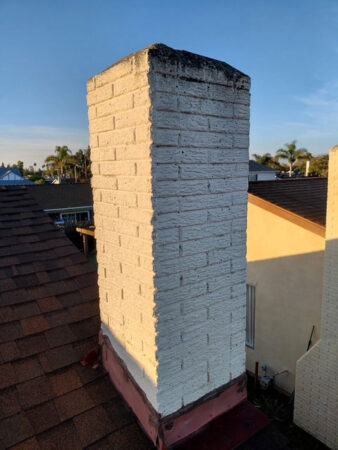
Traditional masonry chimneys are built using thousands of individual bricks and mortar joints. If one brick cracks, the structure usually remains stable. The failures are slow and visible.
Rampart systems were built very differently.
They were cast in molds at a factory and shipped as large concrete sections. Instead of being built brick by brick, whole panels, fireboxes, and chimney sections were stacked into place and framed into the home.
That meant:
- Thinner walls
- Fewer joints
- Hidden steel reinforcement
- Concrete doing the work masonry normally does better
Concrete is strong under compression, but fireplaces experience extreme temperature changes. Heating and cooling create movement. Over decades, that movement begins to break the system apart from the inside.
What once looked “solid” becomes brittle, cracked, and unstable over time.
The Most Serious Failure: The Insulation Plate
One component causes more house fires than any other in these systems.
Homeowners rarely know it exists.
It’s called the insulation plate, sometimes called the breast plate.
This plate sits above the firebox opening and is the only thing separating open flame from wood framing. When new, it worked well. But as these systems age, that plate cracks.
Concrete does not “bend.” It cracks.
Once cracked:
- Heat leaks into surrounding wood structure
- Framing begins to dry and cook slowly
- Ignition can occur years later without warning
- Fires start in walls, not in the fireplace
- Homeowners smell smoke long after the fire is burning
This is why insulation plate failure is so serious.
And here is the most important truth homeowners must understand:
There is no approved repair for a cracked insulation plate in a Rampart fireplace.
Not a coating.
Not a patch.
Not a liner.
Not an insert.
The fireplace becomes unsafe the moment that plate fails.
Trying to “repair” it is like taping over cracked brake lines and hoping for the best.
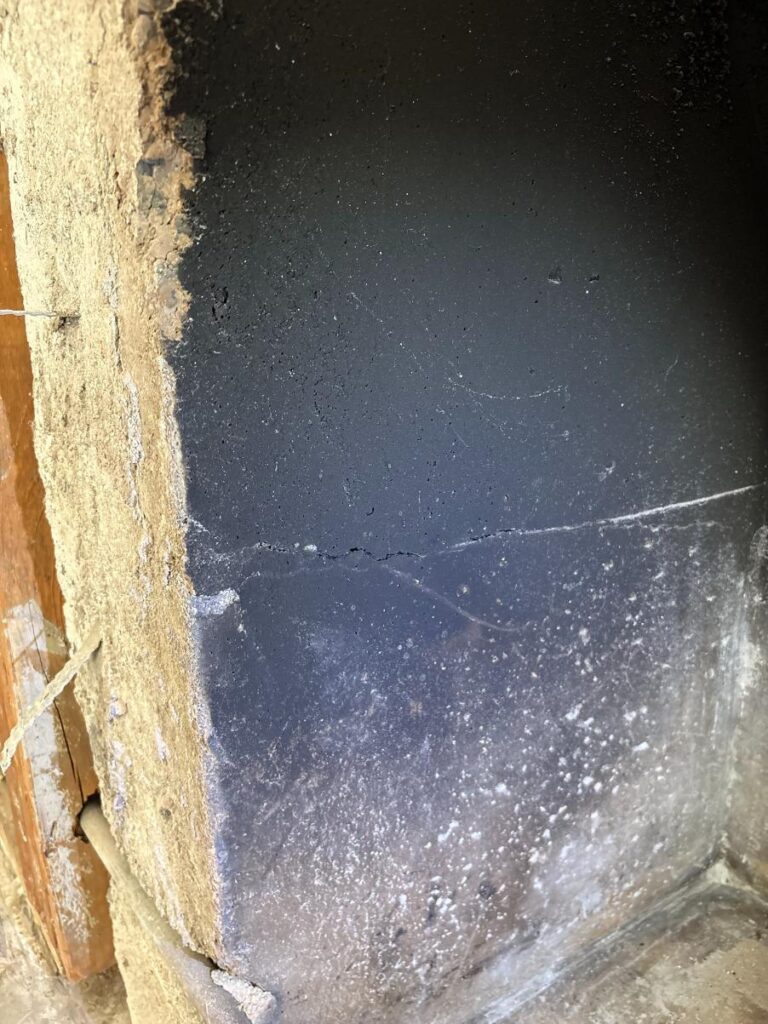
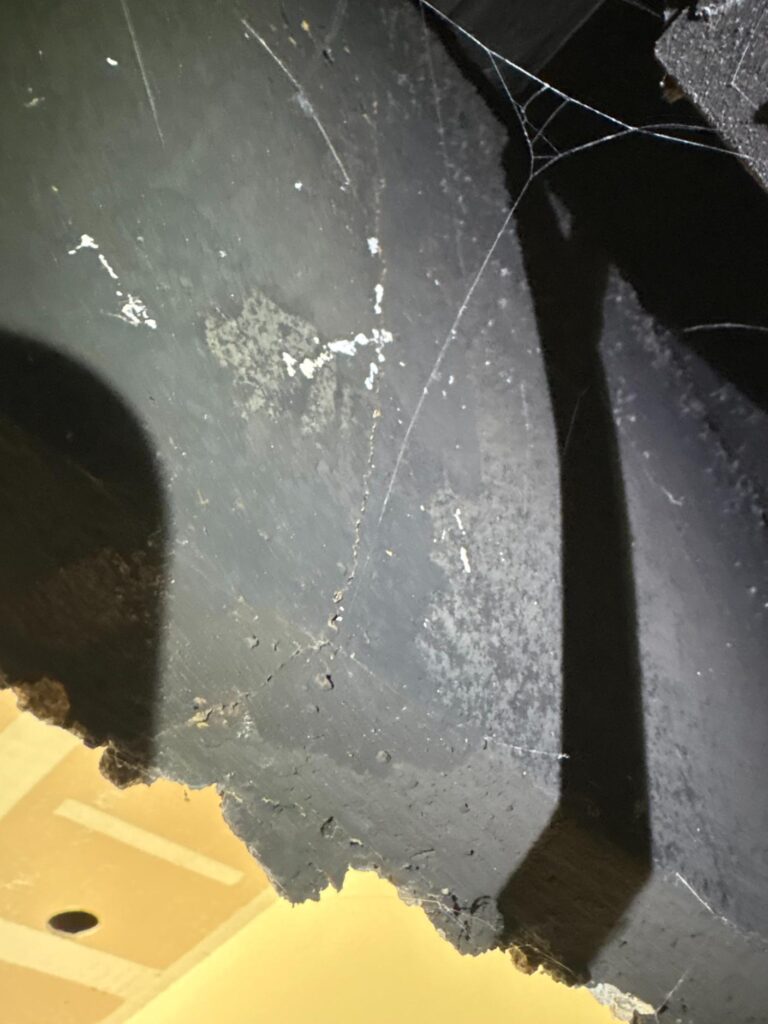
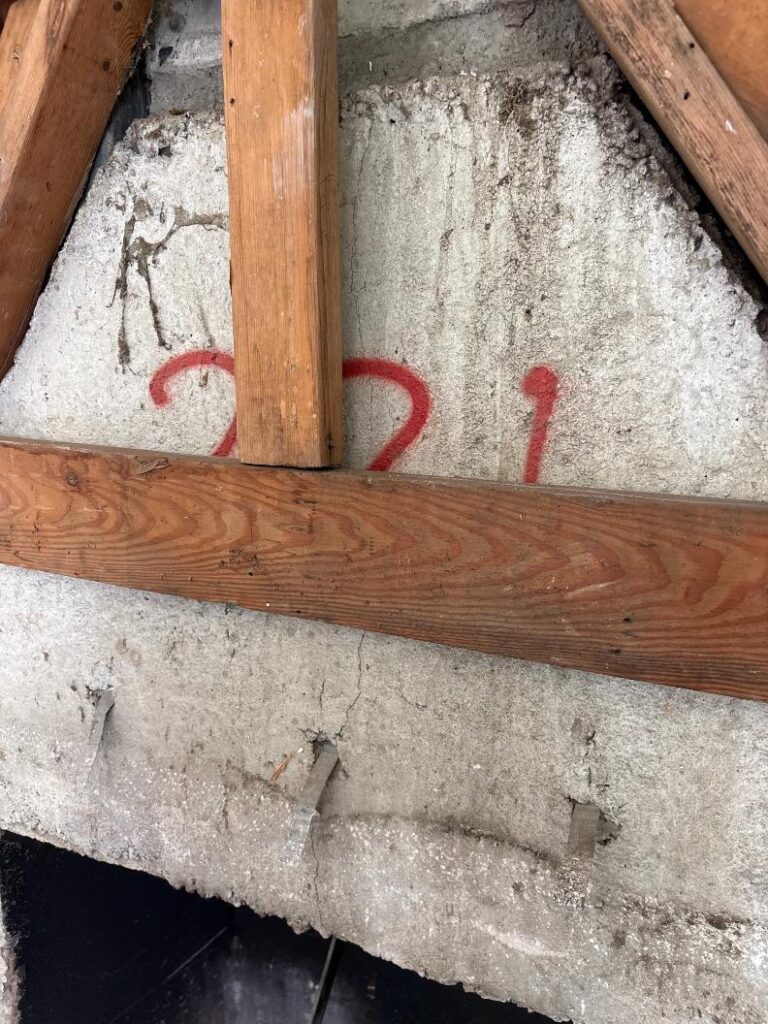
These photos were taken during a recent inspection of a Rampart General fireplace. The darker images show cracking and deterioration of the fireplace’s protective insulation plate. The photo showing the surrounding wood framing reveals the concealed combustible materials located behind this protective barrier.
A cracked or damaged insulation plate can no longer provide the heat protection intended by the original fireplace design. Continued operation may allow excessive heat to reach hidden wood framing and other combustible building materials, creating a serious fire hazard that may not be visible from inside the home.
Because Rampart General fireplaces are discontinued systems and approved replacement components are generally unavailable, a damaged insulation plate should not be patched or repaired with ordinary refractory cement. The fireplace should remain out of service until it has been fully evaluated by a qualified fireplace professional and an appropriate replacement solution has been completed.
Why Some Cracks Look Harmless (But Aren’t)
Homeowners often say:
“It’s just a small crack.”
That’s how most dangerous chimney failures begin.
Concrete expands when heated and contracts when it cools. Hairline cracks widen every time the fireplace runs. Eventually, heat no longer stays where it belongs.
Fireplaces work like controlled explosions. If the containment fails, you don’t get warning smoke alarms. You get ignition behind walls.
Small cracks in a Rampart system are early structural failure, not cosmetic flaws.
Structural Problems Beyond the Plate
Internal Steel Rusting
The concrete shell hides steel reinforcement. When moisture reaches that steel, it rusts and grows outward. The expanding metal cracks concrete from the inside.
You may see:
- Bulging walls
- Bowing fireboxes
- Unexpected cracks
- Peeling concrete
Chimney Flue Breakdown
The flue sections in Rampart chimneys do not always remain aligned.
When they separate:
- Smoke enters wall cavities
- Toxic gases leak
- Heat reaches framing
- Drafting fails
Concrete Rot
Concrete is porous. Water enters and breaks it down internally. Freeze-thaw cycles accelerate failure.
This is why you see:
- Flaking surfaces
- Missing sections
- Crumbling crowns
- Leaning stacks
This is not cosmetic decay. This is structural collapse slowly unfolding.
Why These Fireplaces Cannot Be Restored Safely
Many homeowners are offered “repair solutions.”
- Coatings
- Liners
- Sealants
- Patches
You need to understand the difference between repair and illusion.
A fireplace is a tested safety system. Once its design is altered, its safety listing no longer applies.
Rampart General no longer exists. No testing lab approves new fixes for them. No manufacturer stands behind modifications.
Coatings may hide damage—but they cannot restore fire safety.
If someone claims otherwise, ask for a printed UL listing proving the repair is approved for Rampart fireplaces. In nearly every case, it does not exist.
A bad repair is worse than no repair. It gives false confidence.
Insurance and Real Estate Reality
Insurance companies are no longer ignoring these systems. Many now:
- Request chimney inspections
- Refuse coverage on unsafe systems
- Deny claims following unauthorized modifications
- Flag failures during underwriting reviews
In real estate:
- Repairs affect closing timelines
- Buyers demand replacements
- Lenders require documentation
- Fireplaces become deal breakers
What I Recommend as a Professional
- Confirm the system type
Verify whether your chimney is precast and who manufactured it. - Get a Level II inspection
This includes:- Camera scan
- Firebox evaluation
- Crown check
- Smoke chamber inspection
Not all inspectors understand Rampart designs. Choose one who does.
- If the insulation plate is cracked: stop using the fireplace
No argument. No exceptions. - Avoid temporary fixes
Paint, mortar, coatings, and inserts do not make failed fireplaces safe. - Plan long-term replacement
Many homeowners eventually remove and rebuild these systems correctly with modern materials.
Expect replacement costs in the range of $15,000–$25,000+, depending on layout and access.
The Honest Truth
Rampart fireplaces were built quickly.
Traditional masonry fireplaces were built to last generations.
These systems were never made for 50-year service lives. They weren’t designed wrong—but they were designed short and had unexpected issues.
Now they are aging out.
Final Word from Me to You
Fireplaces are meant to bring warmth and comfort into a home—not risk.
If yours is unsafe, don’t ignore it.
If it’s cracked, don’t patch it.
If repairs are offered, verify them.
Your home and safety deserve better than guesswork.